
Imagine a week where every meal is a journey through sun-drenched landscapes, centuries-old traditions, and vibrant local markets bursting with fresh colors and aromas. Eating in Greece is not just about nourishment-it’s a sensory celebration that captures the essence of its rich history, warm hospitality, and bountiful nature. From the tangy zest of freshly picked olives to the smoky whispers of grilled seafood, a flavorful week in Greece invites you to savor the stories behind every bite. Join us as we explore what eating in Greece truly tastes like, uncovering the unique blend of ingredients, techniques, and culture that make Greek cuisine an unforgettable experience.
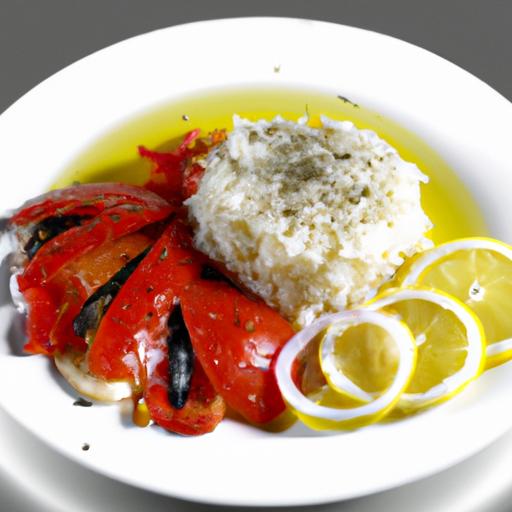
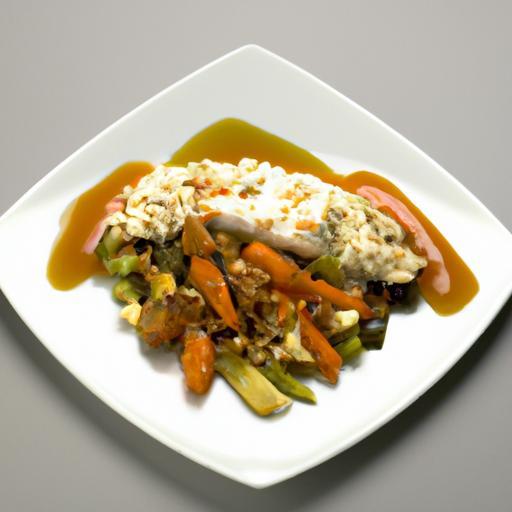
A Flavorful Week: What Eating in Greece Truly Tastes Like comes alive through the vibrant aromas of fresh herbs and the unmistakable freshness of Mediterranean produce, epitomized in the iconic Greek Herb-Infused Lemon Chicken with Ladolemono Sauce. This dish carries the essence of island breezes and mainland tavern warmth, capturing the soul of Greek kitchens where every ingredient sings a story. Inspired by a sun-drenched afternoon browsing a lively island market in Naxos, this recipe blends thyme, oregano, and rosemary, harvested moments before cooking, with the bright zest of lemon and the richness of local olive oil. The result is a dish that is both rustic and elegant, perfect for sharing and savoring.
Prep and Cook Time
Preparation: 15 minutes | Cooking: 40 minutes | Total Time: 55 minutes
Yield
Serves 4 people
Difficulty Level
Medium – approachable for home cooks eager to elevate Greek flavors
Ingredients
- 4 bone-in, skin-on chicken thighs (about 1.5 lbs / 700 g)
- 3 cloves garlic, finely minced
- 2 tablespoons fresh oregano, chopped
- 1 tablespoon fresh thyme, chopped
- 1 tablespoon fresh rosemary, chopped
- 2 lemons (zested and juiced)
- ½ cup extra virgin olive oil (preferably Greek)
- 1 teaspoon sea salt
- ½ teaspoon freshly ground black pepper
- 1 cup dry white wine (optional, for deglazing)
- Fresh parsley, finely chopped, for garnish
- 1 tablespoon honey (optional, for a subtle sweetness)
Instructions
- Prepare the marinade: In a large bowl, whisk together lemon juice, olive oil, garlic, fresh oregano, thyme, rosemary, lemon zest, salt, and pepper. Add honey if using, to balance the acidity.
- Marinate the chicken: Add the chicken thighs to the bowl and coat thoroughly. Cover and refrigerate for at least 2 hours or overnight to infuse the vibrant herbal flavors.
- Sear the chicken: Heat a large skillet over medium-high heat. Remove chicken from the marinade (reserve the marinade) and sear skin-side down for 5-7 minutes until golden brown and crisp. Flip and sear the other side for 3 minutes.
- Deglaze the pan: Pour reserved marinade and white wine into the skillet. Bring to a simmer, scraping up browned bits from the pan for added depth.
- Slow cook: Reduce heat to low, cover the skillet, and let the chicken gently cook for 20-25 minutes, turning occasionally. The meat should be tender and cooked through.
- Finish: Remove the cover, cook for another 5 minutes to thicken the sauce if needed. Taste and adjust seasoning.
- Serve: Sprinkle fresh parsley over the top, add a wedge of lemon on the side, and enjoy immediately.
Chef’s Notes
- Make ahead: The herbal marinade intensifies if allowed to rest overnight. This also makes the chicken juicier and more flavorful.
- Substitutions: Use boneless chicken thighs for quicker cooking, though skin-on is preferred for crispiness.
- Herb variations: Try adding fresh dill or mint for a coastal island twist.
- Wine pairings: A dry Assyrtiko or a crisp Roditis pairs beautifully with the citrus herbiness and olive oil richness.
- Street market tip: When exploring local markets, look for wild oregano-it has a more intense flavor than garden-grown varieties.
Serving Suggestions
This lemon-herb chicken excels served over a bed of traditional Greek lemon potatoes or alongside a fresh Greek salad with feta. Garnish generously with parsley and offer a drizzle of extra virgin olive oil at the table. Complement the meal with chilled Assyrtiko wine to highlight the coastal freshness and herbal notes in the dish.

| Nutrition Per Serving | Amount |
|---|---|
| Calories | 380 kcal |
| Protein | 35 g |
| Carbohydrates | 4 g |
| Fat | 22 g |
Q&A
Q&A: A Flavorful Week – What Eating in Greece Truly Tastes Like
Q1: What makes Greek cuisine stand out from other Mediterranean foods?
A1: Greek cuisine is a vibrant mosaic of fresh, simple ingredients that sing with bold flavors-think sun-ripened tomatoes, briny olives, creamy feta, and aromatic herbs like oregano and dill. What sets it apart is the seamless balance of freshness and tradition, where rustic methods meet timeless recipes passed down through generations, creating a truly unforgettable culinary experience.
Q2: Can you describe a typical day of eating in Greece?
A2: Absolutely! Mornings might start light with Greek yogurt drizzled in local honey and sprinkled with walnuts, paired with strong, dark coffee. By midday, lunches are leisurely affairs featuring dishes like moussaka or grilled octopus with lemon and capers. Dinner often turns into a festive gathering with family and friends, sharing mezze plates-tzatziki, dolmades, grilled halloumi-accompanied by a glass of chilled retsina or ouzo, capturing the spirit of Greek hospitality and savor.
Q3: What role do local ingredients play in shaping Greek flavors?
A3: Local ingredients are the heart and soul of Greek cooking. Island-grown olive oil offers a fruity richness that’s impossible to replicate elsewhere. Fresh seafood plucked daily from the Aegean brings the sea’s briny freshness to the table. Wild herbs and vegetables foraged from hillsides infuse dishes with earthy notes. Each bite is a direct tasting of Greece’s sun-drenched terroir, making every meal a story of place and season.
Q4: How does the Greek approach to eating reflect the culture and lifestyle?
A4: Greeks don’t just eat to satisfy hunger-they celebrate food as a catalyst for connection, conversation, and joy. Meals are slow, communal events that honor time spent together. This philosophy, called “kefi,” embodies passion and zest for life, turning even the simplest ingredients into a feast of warmth, laughter, and shared memories.
Q5: Are there any hidden gems or lesser-known dishes travelers should try?
A5: Definitely! Beyond the famous staples, don’t miss out on “revithada,” a hearty chickpea stew from the island of Sifnos, or “kokoretsi,” a savory lamb offal delicacy cherished in mountain villages. Sampling these authentic flavors broadens the culinary adventure and reveals the depth of Greece’s gastronomic tapestry.
Q6: What’s the best way for visitors to truly experience Greek cuisine?
A6: Dive in headfirst: eat where locals eat, embrace slow dining, and savor every bite of seasonal specialties. Join a cooking class, visit a family-run taverna, or explore local markets to see how fresh produce and artisan products shape daily menus. Most importantly, approach eating in Greece with an open heart and a curious palate, ready to taste the stories behind each dish.
In Summary
As the sun sets on this flavorful journey through Greece, it’s clear that eating here is much more than just nourishment-it’s a vibrant celebration of history, culture, and community. From fragrant herbs kissed by the Mediterranean breeze to golden olive oils poured with pride, every bite tells a story rooted in tradition yet bursting with life. Whether you savor a humble gyro on a bustling Athens street or a carefully crafted moussaka in a seaside taverna, the true taste of Greece lingers long after the meal is over, inviting you back to explore, experience, and, most importantly, savor again. So pack your appetite and your curiosity-because in Greece, every meal is an adventure waiting to unfold.