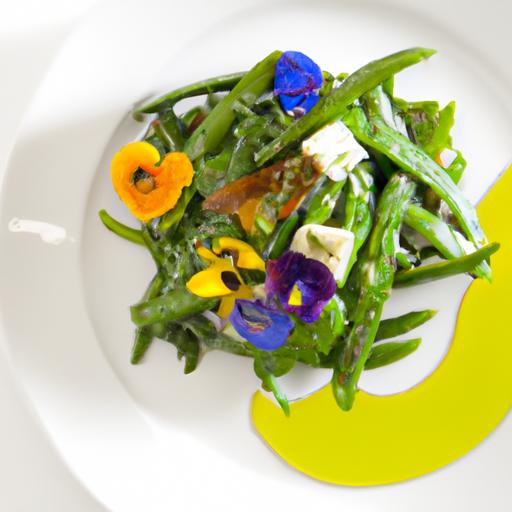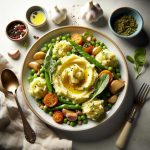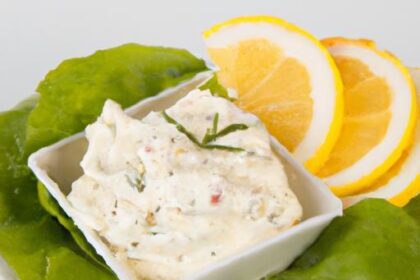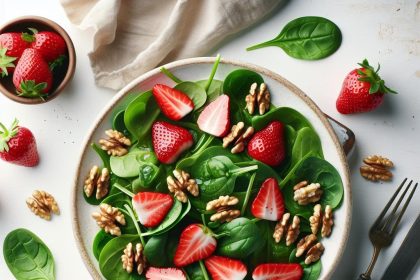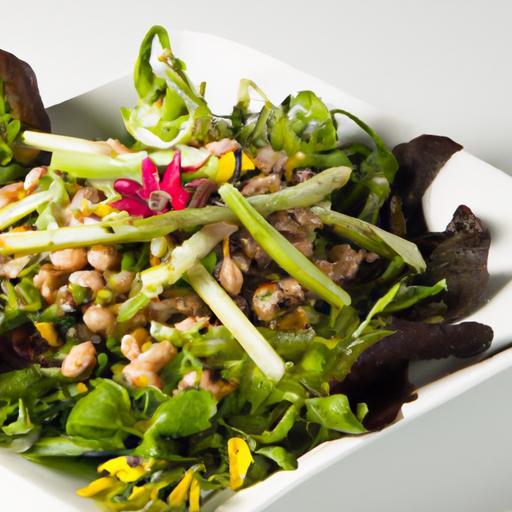

In a world increasingly turned toward natural wellness, the quest for vital nutrients often leads us back to the earth’s own pantry. Iron, a mineral essential to life’s vibrant rhythm, has long been associated with red meat and traditional supplements. But what if the true treasure trove of iron lies not in animal sources, but in the lush bounty of plants? “Plant-Powered Iron: Unlocking Nature’s Riches for Health” invites you on a journey through the green aisles of nutrition, revealing how plants can fuel our bodies with this critical mineral. From leafy greens to legumes, the plant kingdom offers a vibrant, accessible, and sustainable pathway to iron-rich vitality. Discover how nature’s garden can empower your health, one vibrant leaf at a time.
Plant-Powered Iron shines brilliantly in this vibrant One-Pot Lentil and Spinach Stew, a soulful dish that not only packs a nutritional punch but also honors the wholesome essence of nature’s bounty. Rooted in Mediterranean tradition, this hearty stew combines iron-rich lentils, fresh spinach, and zesty tomatoes-inspired by my travels through sun-drenched olive groves and bustling open-air markets. It’s a celebration of accessible, plant-based ingredients designed to maximize iron absorption while tantalizing your palate with layers of earthy, tangy, and slightly smoky flavors.
Prep and Cook Time
Prep: 15 minutes | Cook: 40 minutes | Total: 55 minutes
Yield
Serves 4 generous portions
Difficulty Level
Easy – Perfect for weeknight dinners or meal preps that nourish without fuss
Ingredients
- 1 cup green or brown lentils, rinsed
- 4 cups fresh spinach, chopped
- 1 medium yellow onion, finely diced
- 3 garlic cloves, minced
- 1 large carrot, peeled and diced
- 1 red bell pepper, chopped
- 1 can (14 oz) crushed tomatoes
- 4 cups vegetable broth (low sodium preferred)
- 2 tbsp olive oil
- 1 tsp ground cumin
- 1 tsp smoked paprika
- 1/2 tsp turmeric powder
- 1/2 tsp freshly ground black pepper
- 1 tbsp lemon juice (to boost iron absorption)
- Salt to taste
- Optional garnish: fresh parsley, toasted pumpkin seeds
Instructions
- Heat olive oil in a large heavy-bottomed pot over medium heat. Add the onion, carrot, and red bell pepper. Sauté until softened and fragrant, about 7 minutes.
- Add the garlic, cumin, smoked paprika, turmeric, and black pepper. Stir continuously for 1 minute to toast the spices.
- Pour in the rinsed lentils and crush tomatoes. Stir to combine, allowing the lentils to soak up the tomato’s brightness.
- Pour in the vegetable broth, bring the stew to a boil, then reduce to a simmer. Cover partially and cook for 30 minutes or until lentils are tender, stirring occasionally.
- Stir in the chopped spinach until wilted, about 3-4 minutes.
- Remove from heat, add lemon juice to enhance iron absorption, and season with salt to taste.
- Serve hot, garnished with fresh parsley and sprinkled with toasted pumpkin seeds for texture and an extra iron boost.
Chef’s Notes
- For a creamier texture, stir in 1/4 cup coconut milk or a dollop of plant-based yogurt just before serving.
- Swap green lentils for red lentils if you prefer a softer, stew-like consistency-reduce cooking time accordingly.
- Leafy greens such as kale or Swiss chard can be used interchangeably with spinach for variety.
- Make-ahead tip: This stew thickens beautifully and tastes even better the next day. Reheat gently with a splash of broth.
- Enhance iron bioavailability by pairing this dish with a fresh citrus salad or vitamin C-rich fruits like oranges or strawberries.
Serving Suggestions
Serve this stew over a fluffy bed of quinoa or whole-grain couscous to add complementary textures and additional protein. For a textural contrast, offer crispy roasted chickpeas or whole-grain flatbread on the side. A drizzle of tahini or a sprinkle of za’atar adds depth and aromatic intrigue. Garnish with vibrant fresh herbs and crunchy seeds to celebrate every bite’s nutrition and flavor.

| Nutrient | Per Serving |
|---|---|
| Calories | 320 kcal |
| Protein | 18g |
| Carbohydrates | 45g |
| Fat | 7g |
| Iron | 6.5 mg (36% DV) |
Discover more exciting plant-based recipes focusing on iron and nutrient synergy in our Plant-Powered Superfoods collection. To learn in-depth about iron in plant-based diets, visit the Harvard T.H. Chan School of Public Health.
Q&A
Q&A: Plant-Powered Iron – Unlocking Nature’s Riches for Health
Q1: Why is iron so important for our health?
A: Iron is like the VIP guest at your body’s wellness party. It’s essential for producing hemoglobin, the protein in red blood cells that carries oxygen from your lungs to every nook and cranny of your body. Without enough iron, you might feel tired, weak, or foggy-headed-kind of like your body’s phone battery running on low power.
Q2: Can plants really provide enough iron for our needs?
A: Absolutely! While many people associate iron with meat, plants are packed with this mineral too. Dark leafy greens (think spinach and kale), legumes, nuts, seeds, and even some grains have iron ready to fuel your energy. The trick? Knowing how to tap into that iron’s full potential.
Q3: What’s the difference between plant-based iron and animal-based iron?
A: Iron comes in two main forms: heme and non-heme. Animal products have heme iron, which your body absorbs like a pro. Plants have non-heme iron, which is a bit more shy and harder to absorb. But don’t worry-pairing iron-rich plants with vitamin C-rich foods (like citrus fruits, bell peppers, or tomatoes) can boost absorption dramatically.
Q4: Are there any common plant sources of iron I should look out for?
A: Yes! Some of nature’s iron powerhouses include lentils, chickpeas, tofu, quinoa, pumpkin seeds, fortified cereals, and Swiss chard. Incorporate a colorful variety for a balanced iron buffet.
Q5: How can I maximize the iron I get from plant foods?
A: Here’s the golden rule: combine your iron-rich meals with vitamin C superheroes. For example, squeeze lemon juice over your spinach salad or snack on strawberries with your oatmeal. Also, watch out for iron absorption blockers like coffee, tea, and calcium-rich foods-they’re best enjoyed between meals.
Q6: Who benefits most from plant-powered iron?
A: Everyone! But particularly vegetarians, vegans, pregnant women, and athletes who have higher iron needs. Plant iron not only supports energy and focus but also contributes antioxidant-rich nutrition for overall well-being.
Q7: Are there any signs of iron deficiency I should watch for?
A: Feeling unusually tired, pale skin, shortness of breath, frequent headaches, or restless legs could be whispers from your body about low iron levels. If these sound familiar, a chat with your healthcare provider and a quick blood test can confirm.
Q8: Can plant-based iron help with iron-deficiency anemia?
A: Yes, when done right! A well-planned plant-powered diet can prevent and help manage iron-deficiency anemia. Sometimes, supplements are necessary too, but harnessing iron from plants offers a gentle, natural way to nourish your body.
Q9: Is there a risk of consuming too much iron from plants?
A: It’s quite rare! Plant-based iron absorption is naturally regulated by the body, making iron overload from plants uncommon. Still, balance is key-diversify your diet and enjoy nature’s gifts in moderation.
Q10: What’s the takeaway for readers wanting to tap into plant-powered iron?
A: Embrace the vibrant world of plant foods as a rich source of iron and vitality. With a sprinkle of knowledge-like pairing with vitamin C and avoiding inhibitors at mealtime-you can unlock nature’s iron treasure chest and power your health the green way!
Key Takeaways
As we tap into the vibrant world of plant-powered iron, the door to nature’s nourishing bounty swings wide open. From leafy greens to legumes and seeds, these plant-based sources offer more than just iron-they bring fiber, antioxidants, and a spectrum of nutrients that work harmoniously to elevate your health. Embracing iron from plants isn’t just a dietary choice; it’s a celebration of nature’s brilliant design, proving that the path to vitality can be as green and diverse as the earth itself. So next time you seek a healthy boost, remember: the roots of wellness often grow in the garden.