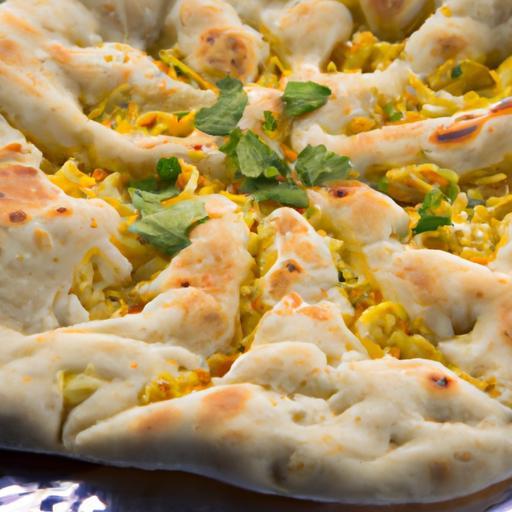

In the bustling streets of the Middle East, where aromas of fresh herbs and spices dance through the air, a beloved culinary treasure quietly takes center stage-manakish. Often referred to as the region’s answer to pizza, this savory flatbread delight weaves together tradition, flavor, and community in every bite. “Manakish Unveiled: The Middle Eastern Flatbread Delight” invites you on a flavorful journey to uncover the history, ingredients, and cultural significance behind this timeless dish. Whether topped with tangy za’atar, rich cheese, or spiced ground meat, manakish offers a delicious glimpse into the heart of Middle Eastern cuisine, promising to captivate your taste buds and inspire your kitchen creations.
Origins and Cultural Significance of Manakish in Middle Eastern Cuisine
Manakish unveils a rich tapestry of Middle Eastern culinary tradition, tracing back centuries as a beloved flatbread that embodies community and comfort. Originating in Levantine kitchens, this versatile flatbread is often enjoyed as a hearty breakfast or a satisfying snack, garnished with a variety of flavorful toppings that tell stories of regional identity. From bustling markets in Beirut to cozy homes in Damascus, manakish is a symbol of shared meals and cultural pride.
Exploring Traditional and Modern Manakish Toppings for Every Palate
While the classic za’atar (a fragrant blend of thyme, sesame, and sumac) remains the iconic topping, modern twists have expanded manakish’s appeal across palates and preferences. Traditional toppings include rich akkawi cheese and spiced minced lamb – each bite offering a delicious balance of savory and herbaceous notes. Contemporary variations softly embrace global influences, incorporating ingredients like smoked halloumi, sun-dried tomatoes, or creamy labneh drizzled with olive oil. Whether you favor the tangy zest of za’atar or crave the indulgence of cheese-laden manakish, there’s a topping to inspire every culinary adventure.
Prep and Cook Time
- Preparation Time: 20 minutes
- Rising Time: 1 hour
- Cooking Time: 10-12 minutes
Yield
- Makes 6 medium-sized manakish (serves 4-6)
Difficulty Level
- Medium – perfect for enthusiastic home cooks seeking authenticity
Ingredients
- 3 cups all-purpose flour, sifted
- 1 cup warm water (110°F/45°C)
- 2 tsp active dry yeast
- 1 tsp sugar
- 2 tbsp olive oil, plus extra for brushing
- 1 tsp salt
- 1/2 cup za’atar spice mix (for topping) or alternate toppings (cheese, minced lamb, labneh)
Instructions
- Activate the yeast: In a small bowl, combine the warm water, sugar, and yeast. Stir gently and let sit for 5-7 minutes until frothy, indicating the yeast is alive.
- Prepare the dough: In a large mixing bowl, whisk together the flour and salt. Make a well in the center and pour in the activated yeast mixture and olive oil.
- Knead the dough: Mix until a shaggy dough forms, then transfer to a floured surface. Knead vigorously for 8-10 minutes until smooth and elastic. Tip: If the dough is sticky, add flour a tablespoon at a time.
- First rise: Place the dough in an oiled bowl, cover with a clean kitchen towel or plastic wrap, and let it rise in a warm spot for about 1 hour or until doubled in size.
- Divide and shape: Punch down the dough gently. Divide into 6 equal portions and shape each into a ball. Let rest for 10 minutes to relax the gluten.
- Roll out flatbreads: On a lightly floured surface, roll each ball into a 7-8 inch round. Lay them on parchment-lined baking sheets.
- Add your toppings: Generously brush each flatbread with olive oil. Sprinkle your choice of toppings evenly over the surface-classic za’atar or any preferred modern options.
- Bake the manakish: Preheat your oven to 475°F (245°C). Bake the flatbreads for 8-12 minutes or until golden and crisp on the edges. For an extra touch, finish under the broiler for 1-2 minutes for a toasty top.
- Serve warm: Transfer to a wire rack to cool slightly and enjoy immediately for the best texture and flavor.
Tips for Success
- For softer manakish, brush the crust with olive oil immediately after baking.
- If using cheese toppings, shred or crumble the cheese finely to help it melt evenly.
- Make the dough ahead by refrigerating it overnight; bring it to room temperature before rolling.
- If za’atar isn’t available, experiment by mixing thyme, sesame seeds, and sumac.
- Use a pizza stone or preheated baking steel to replicate the authentic, crisp texture of traditional manakish cooked in stone ovens.
Serving Suggestions
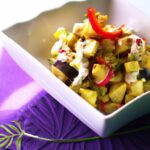
Manakish is best enjoyed as part of a vibrant Middle Eastern spread. Serve it alongside fresh cucumber and tomato salad garnished with mint, a bowl of creamy hummus, or warm baba ganoush. For beverages, traditional mint tea or a glass of freshly squeezed pomegranate juice pairs beautifully, balancing the earthiness of the za’atar or richness of cheese toppings. Garnish your manakish with a drizzle of extra virgin olive oil and a sprinkle of sumac or fresh herbs like parsley to elevate the visual appeal and brighten flavors.
| Nutrient | Per Serving (1 Manakish) |
|---|---|
| Calories | 280 |
| Protein | 7g |
| Carbohydrates | 40g |
| Fat | 7g |
Internal link: Discover the secrets behind Middle Eastern spices that make flatbreads come alive.
External link: For an in-depth cultural history, visit Britannica’s Manakish Overview.

Q&A
Q&A: Manakish Unveiled – The Middle Eastern Flatbread Delight
Q1: What exactly is Manakish?
A1: Manakish (pronounced “mah-NAH-keesh”) is a beloved Middle Eastern flatbread, often described as a delicious, savory canvas topped with an array of flavorful ingredients. It’s essentially the region’s answer to pizza-a warm, doughy base generously adorned with herbs, cheese, or ground meats, then baked to golden perfection.
Q2: Where did Manakish originate?
A2: The roots of Manakish trace back to the Levant region, encompassing modern-day Lebanon, Syria, Jordan, and Palestine. This culinary gem has been a staple for centuries, cherished across households and street-side bakeries alike. It beautifully intertwines cultural history with everyday comfort food.
Q3: What are the most popular toppings on Manakish?
A3: Za’atar (a zesty blend of thyme, sumac, and sesame seeds) is the iconic topping you absolutely must try. It creates an earthy, tangy burst of flavor. Beyond za’atar, common toppings include gooey akkawi or halloumi cheese, spiced ground lamb or beef, fresh vegetables, and sometimes a drizzle of olive oil to seal the deal.
Q4: How is Manakish traditionally made?
A4: The process is simple yet artful. First, a ball of soft dough is hand-stretched into a perfect circle. Then, a generous layer of topping, like za’atar mixed with olive oil, is spread evenly across the surface. Finally, it’s baked in a hot stone oven until crisp edges and warm, aromatic goodness emerge. The key is in the balance of crispy crust and tender center.
Q5: Why is Manakish so culturally significant?
A5: Manakish is more than just food-it’s a symbol of hospitality and shared tradition. In Middle Eastern homes, it’s commonly enjoyed for breakfast or snack time, often with family and friends gathered around. Its preparation and consumption embody warmth, community, and a way of preserving ancestral culinary heritage.
Q6: Can Manakish be adapted for modern palates?
A6: Absolutely! While the classics remain beloved, creative chefs worldwide are experimenting with diverse toppings-think Mediterranean-style Manakish with sun-dried tomatoes and feta, or vegan versions loaded with mushrooms and herbs. The beauty of Manakish lies in its versatility, inviting endless culinary innovation.
Q7: Where can one find authentic Manakish outside the Middle East?
A7: Thanks to the global rise of Middle Eastern cuisine, authentic Manakish can now be found in specialty bakeries and restaurants in cosmopolitan cities around the world-from New York to London, Sydney to Dubai. For the adventurous cook, making it at home is increasingly accessible, with many recipes online guiding you step-by-step.
Q8: What drink pairs best with Manakish?
A8: The refreshing tang of mint tea is a traditional favorite, perfectly complementing the herbaceous flavors of za’atar. Alternatively, a cup of strong black coffee or a cool glass of ayran (a salted yogurt drink) balances the savory richness of cheese or meat-topped Manakish, enhancing the overall experience.
Q9: How does Manakish differ from other Middle Eastern breads?
A9: Unlike pita, which is pocketed and often used as a utensil for dips, Manakish stands out as a complete dish-a flatbread purposely topped and baked like an open-faced pie. It’s heartier than the delicate lavash or thin markook breads, offering a deliciously textured platform for bold flavors.
Q10: Why should food lovers add Manakish to their culinary bucket list?
A10: Because Manakish is a slice of Middle Eastern heritage that delivers big on taste, tradition, and comfort. Each bite tells a story of ancient lands and timeless recipes, inviting you to savor a truly global delight. Once discovered, it’s impossible not to fall in love with this simple yet extraordinary flatbread.
Closing Remarks
As the warm, fragrant layers of Manakish unfold before us, we are reminded that this humble flatbread is more than just a meal-it is a delicious tapestry woven from centuries of culture, tradition, and flavor. Whether topped with zesty za’atar, rich cheese, or tender minced meat, Manakish invites us to savor the Middle East’s culinary heritage in every bite. So next time you seek a taste adventure that’s both comforting and vibrant, let Manakish be your passport to a world where every slice tells a story. Dive in, and let the flavors of this enchanting flatbread delight your palate and your soul.