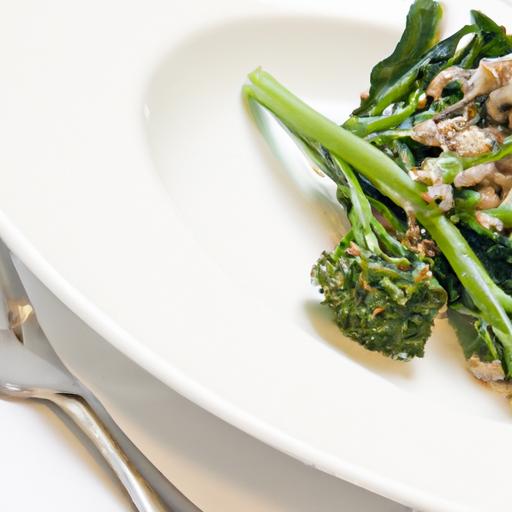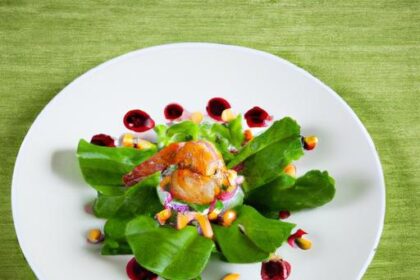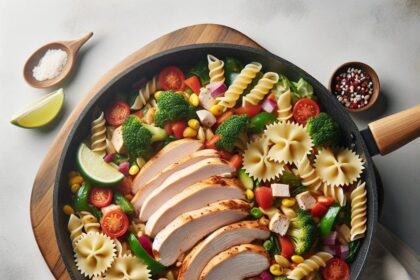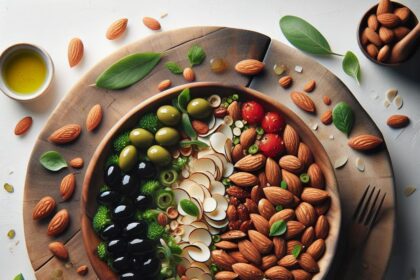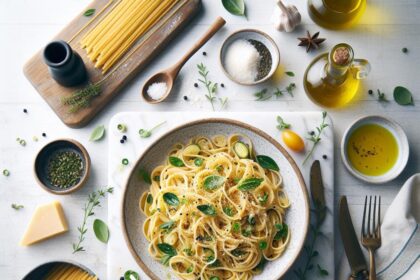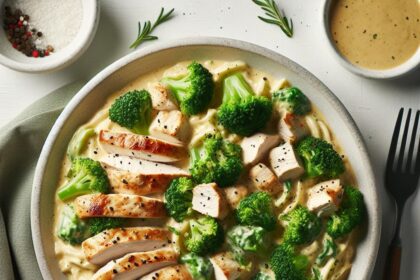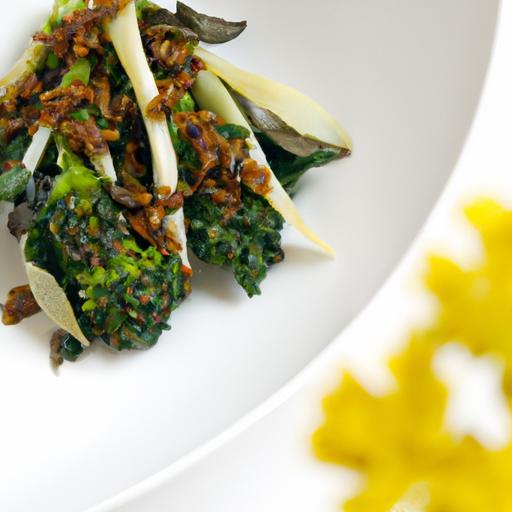

Beneath the vibrant spread of leafy greens, there’s a bold contender quietly making its mark-broccoli rabe. Often overshadowed by its more familiar cousin, broccoli rabe is a bitter green with a personality as punchy as its flavor. This intriguing vegetable weaves together a tapestry of history, nutrition, and culinary versatility, inviting adventurous eaters to step beyond the bland and embrace something truly unique. In this article, we’ll unravel the story of broccoli rabe, exploring why this underrated green deserves a prime spot on your plate and in your kitchen repertoire. Get ready to discover the bitter green you should know.
Broccoli rabe, also known as rapini, invites culinary adventurers to savor a bold fusion of bitter, nutty, and slightly peppery notes that elevate any meal. With roots tracing back to Mediterranean kitchens-especially Italy-this leafy green has been a staple for centuries, cherished for its unique flavor and nutritional prowess. Its vibrant stems and tender leaves burst with vitamins while imparting a refined bitterness that challenges and rewards your palate.
Prep and Cook Time
Preparation: 10 minutes Cooking: 8 minutes Total: 18 minutes
Yield
Serves 4 as a side dish
Difficulty Level
Easy to Medium
Ingredients
- 1 bunch broccoli rabe (about 12 oz), trimmed and washed
- 3 tablespoons extra-virgin olive oil
- 4 cloves garlic, thinly sliced
- 1/4 teaspoon red pepper flakes (adjust to taste)
- Salt to taste
- Freshly cracked black pepper to taste
- 1/2 lemon, juiced
- Optional: 1/4 cup toasted pine nuts or slivered almonds for garnish
Instructions
- Blanch the broccoli rabe: Bring a large pot of salted water to a boil. Add the broccoli rabe and cook until tender but still vibrant green, about 2-3 minutes. Immediately transfer to an ice bath to halt cooking and preserve color. Drain well and gently squeeze out excess water.
- Prepare the sauté base: In a large skillet, heat olive oil over medium heat. Add garlic and sauté until fragrant and golden, about 1-2 minutes-watch carefully to avoid burning for a mellow flavor.
- Add red pepper flakes: Sprinkle in the red pepper flakes and stir for 30 seconds to infuse the oil.
- Sauté broccoli rabe: Add the drained broccoli rabe to the pan. Toss to coat in the garlicky oil, cooking another 4-5 minutes. The green should be tender and flavorful, with just a hint of caramelization.
- Season: Season with salt and cracked black pepper to balance the signature bitterness.
- Finish with lemon juice: Remove from heat and drizzle lemon juice over the greens to brighten and elevate the dish.
- Optional garnish: Sprinkle toasted pine nuts or slivered almonds atop for a delightful crunch.
Tips for Success
- Trim precisely: Remove thick, woody stems from broccoli rabe for even cooking and tender bites.
- Control the bitterness: Blanching reduces bitterness but preserves character; do not overcook.
- Boost flavor: Adding anchovies or a splash of balsamic vinegar during sautéing can create a richer umami profile.
- Storage: Cooked broccoli rabe can be refrigerated in an airtight container up to 3 days-perfect for quick meals.
- Substitution: If unavailable, kale or mustard greens deliver a similar peppery punch but with milder bitterness.
Serving Suggestions
Serve warm as a vibrant side to roasted chicken or grilled fish. Fantastic tossed with al dente pasta and finished with grated Pecorino Romano for an authentic Italian-inspired meal. For vegetarians, fold into a frittata or top a creamy polenta. Garnish with freshly squeezed lemon, extra toasted nuts, or even a sprinkle of chili oil for a spicy kick that contrasts beautifully with the green’s natural bitterness.
| Nutrient | Per Serving |
|---|---|
| Calories | 65 kcal |
| Protein | 4 g |
| Carbohydrates | 7 g |
| Fat | 4.5 g |

Broccoli rabe is truly a nutritional powerhouse, rich in vitamins A, C, and K, along with calcium and iron, supporting both immune and bone health. Its bold flavor and health benefits make it an essential addition to your culinary repertoire. For more ways to incorporate nutrient-dense greens, explore our article on nutritious kale recipes. Learn more about the science behind broccoli rabe’s health advantages at the Healthline Nutrition Center.
Q&A
Q&A: Broccoli Rabe Unveiled – The Bitter Green You Should Know
Q1: What exactly is broccoli rabe, and how does it differ from regular broccoli?
A1: Broccoli rabe, also known as rapini, is a leafy green vegetable with slender stalks, small broccoli-like florets, and tender leaves. Unlike regular broccoli, which has a mild, sweet taste, broccoli rabe boasts a bold, slightly bitter flavor that adds punch to any dish. Think of it as broccoli’s edgier, more sophisticated cousin.
Q2: Why is broccoli rabe often described as “bitter”? Is that bitterness a bad thing?
A2: The bitterness in broccoli rabe stems from natural compounds called glucosinolates. While some might shy away from bitter foods, this sharpness actually lends complexity and depth, balancing rich, fatty, or spicy ingredients beautifully. Many chefs prize its bitterness as the secret ingredient that wakes up the palate.
Q3: How do you prepare broccoli rabe to tame its bitterness?
A3: Blanching broccoli rabe in salted boiling water for 1-2 minutes before sautéing or roasting can mellow the bitterness without losing its character. Draining and shocking it in ice water stops the cooking and preserves vibrant color. From there, a drizzle of olive oil, garlic, and a squeeze of lemon can elevate the green goodness to new heights.
Q4: Is broccoli rabe nutritious? What makes it a health superstar?
A4: Absolutely! Broccoli rabe is packed with vitamin A, vitamin C, calcium, iron, and fiber. Its bitter compounds are also linked to antioxidant and anti-inflammatory benefits. This green champion supports everything from eye health to digestion, making it a power player on your plate.
Q5: What are some delicious ways to enjoy broccoli rabe?
A5: From rustic Italian dishes like orecchiette with sausage and broccoli rabe, to simple garlic sauté for a side, or even tossed into a hearty salad, the options are endless. It also shines as a pizza topping or blended into pesto, unlocking a bold, earthy twist.
Q6: Where can you find broccoli rabe, and how do you pick the best bunch?
A6: Farmers’ markets and specialty grocery stores usually carry fresh broccoli rabe in season, typically in the cooler months. Look for deep green leaves without yellowing or wilting, firm stems, and small, tight florets. Freshness means more flavor and crunch!
Q7: Can beginners cook with broccoli rabe, or is it only for seasoned foodies?
A7: Broccoli rabe is surprisingly approachable! With a little know-how-mainly blanching and balancing flavors-it’s easy to master. Its distinct personality makes it a fun veggie to experiment with, inviting home cooks to discover a new side of green.
Broccoli rabe may wear bitterness like a badge of honor, but once you get to know it, this underrated green can transform your cooking with vibrant flavor and nutrition. Don’t be afraid to invite it to your kitchen table-it’s ready to surprise you.
Concluding Remarks
As the curtain falls on our journey through the bold world of broccoli rabe, one thing is clear: this bitter green is anything but ordinary. Packed with nutrients and bursting with flavor, broccoli rabe invites both the curious cook and the seasoned chef to rethink their greens game. Whether you savor its slightly bitter bite in a sizzling sauté or nestle it alongside your favorite pasta, broccoli rabe stands ready to elevate any meal with its unique personality. So next time you stroll past that verdant bunch at the market, remember-beneath those leafy stalks lies a powerhouse of taste and tradition just waiting to be unveiled on your plate. Embrace the bitterness, and let broccoli rabe rewrite your greens story.