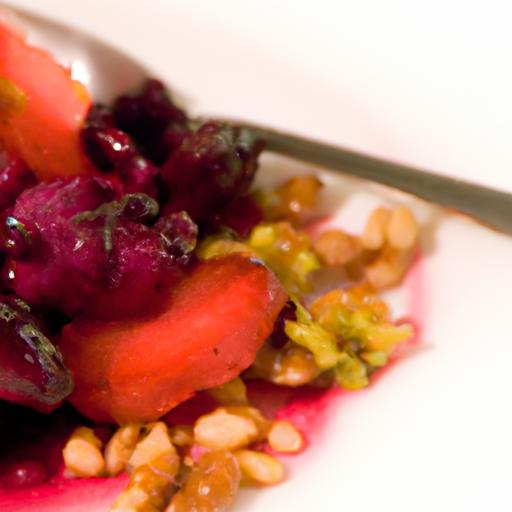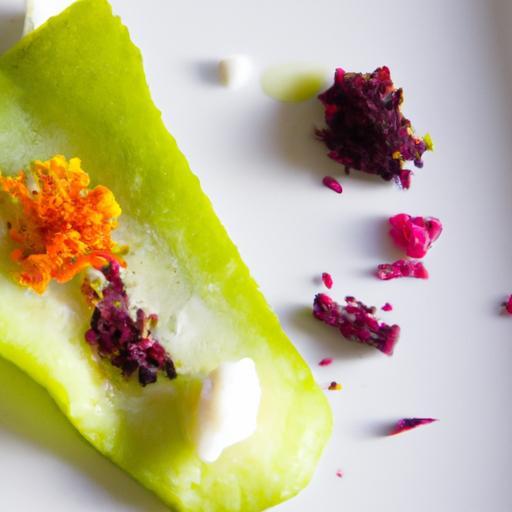

Imagine a kitchen where flavors bloom as vividly as a spring garden-this is the enchanting world of cooking with rose petals. More than just a symbol of romance and beauty, rose petals bring a delicate floral elegance to your dishes, transforming everyday meals into extraordinary culinary experiences. From subtly scented salads to decadent desserts, incorporating rose petals adds not only a burst of color but also a whisper of nature’s fragrant artistry. In this article, we’ll explore how to harness the timeless charm of roses to infuse your cooking with a fresh, floral twist that delights the senses and elevates your plate.
- Exploring the Culinary Potential of Rose Petals
- Selecting and Preparing Rose Petals for Safe Consumption
- Creative Recipes Featuring Rose Petals to Elevate Your Meals
- Prep and Cook Time
- Yield
- Difficulty Level
- Ingredients
- Instructions
- Tips and Techniques for Enhancing Flavor with Rose Petals
- Chef’s Notes
- Serving Suggestions
- Q&A
- Concluding Remarks
Exploring the Culinary Potential of Rose Petals
Cooking with rose petals opens a delightful world where floral elegance meets culinary creativity. The enchanting aroma and subtle sweetness of rose petals can transform everyday dishes into extraordinary experiences that tantalize the senses. Historically treasured in Middle Eastern and Indian cuisines, rose petals add an aromatic depth to desserts, salads, and beverages, offering both beauty and flavor in one delicate package.
Selecting and Preparing Rose Petals for Safe Consumption
Choosing the right rose petals is paramount for both safety and flavor. Always opt for organically grown roses, free from pesticides and chemicals. Preferably, gather petals from fragrant varieties such as Damask or Rosa centifolia, known for their pronounced scent. Before use, gently rinse petals under cold water to remove any dirt or insects, then pat dry carefully with a paper towel. Remove the white base of each petal, as it can impart a bitter taste. Freshness is key; use petals the same day or store them in an airtight container in the fridge for up to 24 hours.
Creative Recipes Featuring Rose Petals to Elevate Your Meals
Integrating rose petals elevates both sweet and savory dishes. Try adding finely chopped petals to a fresh green salad with goat cheese and toasted almonds for a floral surprise. Or infuse rose syrup into cocktails like a refreshing rose gimlet. For desserts, rose petal jam or candied petals atop vanilla panna cotta provide exquisite elegance and natural perfume.
Prep and Cook Time
- Prep Time: 15 minutes
- Cook Time: 10 minutes
Yield
- Serves 4
Difficulty Level
- Medium
Ingredients
- 1 cup fresh organic rose petals, rinsed and dried
- 2 tablespoons honey (preferably light floral)
- 1 tablespoon lemon juice, freshly squeezed
- 1 cup mixed salad greens (arugula, spinach, and butter lettuce)
- 1/4 cup crumbled goat cheese
- 1/4 cup toasted almonds, sliced
- 2 tablespoons extra virgin olive oil
- Salt and freshly ground black pepper, to taste
Instructions
- Prepare the rose petal vinaigrette: In a small bowl, whisk together the honey, lemon juice, olive oil, salt, and pepper until well combined.
- Add the rose petals: Gently fold the fresh rose petals into the vinaigrette. Let this infuse for 5 minutes, stirring occasionally to release their aroma and flavor.
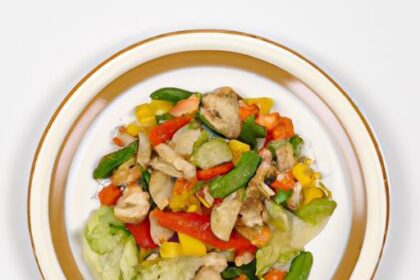
- Toss the salad: In a large salad bowl, combine the mixed greens, toasted almonds, and crumbled goat cheese. Pour the rose petal vinaigrette over the salad.
- Mix carefully: Toss gently to ensure each leaf is lightly coated without bruising the delicate petals.
- Serve immediately: Plate the salad, garnishing with a few whole rose petals for a visually stunning presentation.
Tips and Techniques for Enhancing Flavor with Rose Petals
The key to harnessing the full flavor of rose petals is gentle handling and minimal heat exposure, as high temperatures can diminish their fragrance. Try infusing petals into honey or sugar beforehand for a sweet floral boost. When using petals in baking, fold them in at the last moment to preserve their color and aroma. For savory dishes, balance the petals’ delicate sweetness with acidic or salty elements to create a harmonious flavor profile. Experiment with layering rose petal syrup over fresh fruits or blending into yogurt for a refreshing twist.
Chef’s Notes
- Substitute honey with agave syrup for a vegan-friendly option.
- Try pairing rose petals with citrus segments like grapefruit for an added zing.
- Freeze leftover rose petal vinaigrette in ice cube trays to drizzle over grilled meats for floral undertones.
- Be cautious not to overwhelm dishes with petals; 1/2 to 1 cup per recipe is usually sufficient.
Serving Suggestions
This fresh rose petal salad pairs beautifully with grilled chicken or crusty artisan bread. Garnish with edible flowers such as viola or nasturtium to amplify the garden-fresh presentation. For a festive occasion, serve alongside sparkling rosé or a chilled glass of elderflower cordial. The vibrant pink hues of the petals will steal the spotlight on your dining table, evoking both elegance and whimsy.
| Nutrition Facts | Per Serving |
|---|---|
| Calories | 180 |
| Protein | 4g |
| Carbohydrates | 12g |
| Fat | 11g |
For a deeper dive into edible flowers and safe foraging practices, explore our detailed guide here. Learn more about the history and culinary uses of roses on reputable sites like Gardening Know How.

Q&A
Q&A: Cooking with Rose Petals – A Floral Twist to Your Dishes
Q1: Why should I consider cooking with rose petals?
A1: Cooking with rose petals adds a unique floral aroma and delicate flavor that can transform ordinary dishes into extraordinary culinary experiences. Beyond their beauty, rose petals bring natural fragrance, subtle sweetness, and a touch of elegance, making your meals both visually stunning and palate-pleasing.
Q2: Are all rose petals safe to eat?
A2: Not all roses are edible! It’s crucial to use petals from organic roses free of pesticides and chemicals. Garden roses, heirloom varieties, or those labeled specifically as “edible” are your best bet. Avoid hybrid roses bred for fragrance but treated with harmful substances.
Q3: What parts of the rose petal can I use in cooking?
A3: The soft, vibrant petals themselves are the edible treasure. Typically, the green sepals and the white base (receptacle) can be bitter, so it’s best to trim those off. Only use fresh, vibrant petals for best flavor and appearance.
Q4: How do rose petals enhance sweet dishes?
A4: Rose petals infuse desserts with a gentle floral sweetness, lending complexity to syrups, jellies, cakes, and ice creams. They pair beautifully with honey, vanilla, and citrus, creating ethereal layers of flavor that delight the senses.
Q5: Can rose petals be used in savory recipes?
A5: Absolutely! Rose petals add a surprising floral note to salads, rice dishes, and even roasted meats. Combined with herbs like mint, basil, or thyme, they balance savory profiles while adding exotic flair.
Q6: What are some simple ways to use rose petals in my kitchen?
A6: Start by sprinkling fresh petals over salads or desserts for a colorful, fragrant garnish. Infuse rose petals into syrups for beverages or drizzle rose petal honey on toast. You can also bake them into cookies or steep them in teas for a soothing experience.
Q7: How should rose petals be stored?
A7: Keep rose petals fresh by storing them in a sealed container inside the fridge, ideally on a damp paper towel to maintain moisture. For longer storage, dry them gently and keep in an airtight jar away from light and humidity.
Q8: Are there any health benefits to cooking with rose petals?
A8: Yes! Rose petals contain antioxidants, vitamin C, and natural compounds known for their soothing and anti-inflammatory properties. They’ve been used traditionally to aid digestion, reduce stress, and improve skin health-turning your meal into a subtle wellness ritual.
Q9: Can I grow my own edible roses at home?
A9: Definitely! Growing your own roses ensures you have a fresh, pesticide-free supply. Choose edible rose varieties like Damask or Rosa Rugosa and enjoy harvesting petals for your culinary adventures straight from your garden.
Q10: Any tips for beginners experimenting with rose petal cooking?
A10: Start small-add a few petals to familiar dishes to gauge flavor. Pair rose petals with complementary ingredients like lemon, honey, or mild herbs. Most importantly, have fun and let your creativity blossom, as cooking with flowers offers endless delightful surprises!
Concluding Remarks
As the delicate aroma of rose petals lingers on your palate, you’ll discover that cooking with these floral treasures is more than just a culinary experiment-it’s an invitation to awaken your senses and reconnect with nature’s artistry. From subtle infusions in desserts to vibrant garnishes that elevate savory dishes, rose petals offer a timeless elegance that transforms everyday meals into memorable experiences. So next time you step into the kitchen, let a handful of roses inspire you to blend beauty and flavor, creating dishes that are as visually stunning as they are delicious. Embrace this floral twist, and watch your cooking blossom in ways you never imagined.