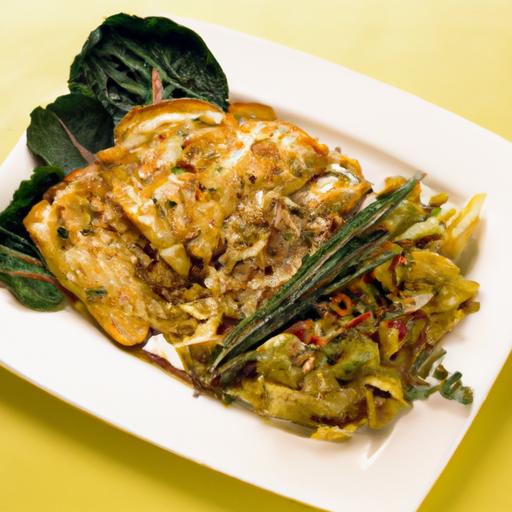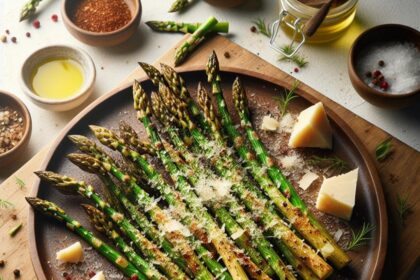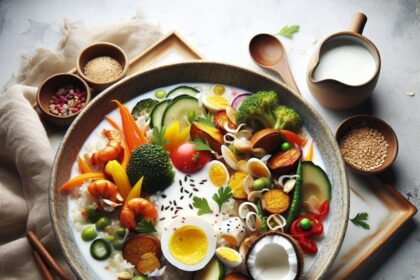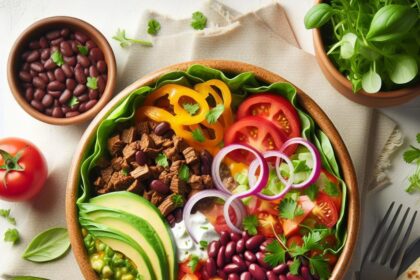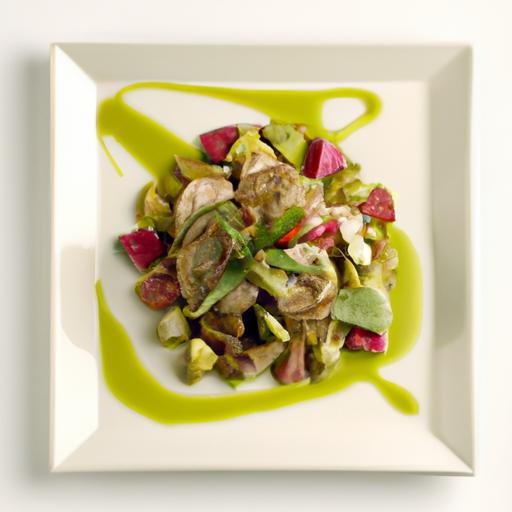

In the warm embrace of sun-drenched coastlines and vibrant villages, the Mediterranean table becomes more than just a place to eat-it transforms into a living tapestry of culture, conversation, and community. “Savoring Connections: Social Dining in Mediterranean Life” invites you to explore how meals here are not simply about nourishment but about weaving relationships, celebrating heritage, and savoring the rich flavors of human connection. As olive oil glistens on freshly baked bread and laughter echoes over shared plates of fragrant herbs and seafood, discover how the art of social dining shapes the rhythm of everyday life in this timeless region.
Savoring Connections through Mediterranean cuisine means inviting warmth and conversation around a table brimming with vibrant, shared dishes. One of the most iconic recipes that perfectly embodies this communal spirit is Greek Mezze Platter – a colorful array of small plates that bring people together, encouraging everyone to taste, talk, and savor life’s simple joys in unison.
This tradition, rooted in the Mediterranean lifestyle, transforms eating from a rushed necessity into a heartfelt social event. Originating in Greece and neighboring coastal regions, the mezze platter weaves together flavors from fresh herbs, sun-ripened tomatoes, creamy cheeses, and briny olives, each component symbolizing the generosity and hospitality synonymous with Mediterranean culture. Personally, I recall warm summer evenings on a seaside terrace, where the mezze spread was more than food – it was a vessel for laughter, stories, and building lifelong bonds.
Prep and Cook Time
- Preparation: 25 minutes
- Cooking: 15 minutes
- Total Time: 40 minutes
Yield
- Serves 6 as appetizers
Difficulty Level
- Easy to Medium
Ingredients
- 1 cup hummus, homemade or store-bought
- 1 cup tzatziki sauce
- 1 cup feta cheese, crumbled
- 1 cup Kalamata olives
- 1 cup cherry tomatoes, halved
- 1 medium cucumber, thinly sliced
- 1 cup roasted red peppers, sliced
- 1/2 cup pine nuts, toasted
- 1/4 cup fresh parsley, chopped
- 1 tbsp extra virgin olive oil
- 1 lemon, cut into wedges
- 1 baguette or pita bread, sliced and toasted
Instructions
- Prepare all fresh ingredients: Rinse and halve the cherry tomatoes, peel and slice the cucumber thinly, and chop the fresh parsley finely. This freshness bursts with flavor and texture.
- Toast pine nuts: Heat a dry skillet over medium heat; add pine nuts and toast gently until golden brown and fragrant, about 3 minutes, stirring frequently to avoid burning. Set aside to cool.
- Arrange the dips: Spread hummus and tzatziki in small bowls or directly onto a large serving platter, leaving spaces for the other elements.
- Build your platter: Artfully arrange the feta cheese, Kalamata olives, roasted red peppers, cherry tomatoes, and cucumber slices around the dips. This visual mosaic invites guests to dive right in.
- Drizzle olive oil and garnish: Generously drizzle extra virgin olive oil over the feta and veggies. Sprinkle with toasted pine nuts and freshly chopped parsley for aroma and crunch.
- Serve with lemon and bread: Place lemon wedges and slices of toasted baguette or warm pita bread around the platter, perfect for squeezing and scooping.
- Final touch: Let the platter rest at room temperature for 10 minutes to enhance flavors. Invite guests to gather around and enjoy the feast together.
Tips for Success
- For an extra burst of flavor, add a sprinkle of smoked paprika on the hummus or a dash of fresh cracked black pepper on the tzatziki.
- Substitute pine nuts with toasted walnuts or almonds if preferred, adding another layer of crunch and aroma.
- Make hummus from scratch by blending chickpeas, tahini, lemon juice, garlic, and olive oil for a truly authentic touch.
- Prepare the dips and toast bread ahead of time, then assemble the platter shortly before serving to keep everything fresh.
- Use vibrant, fresh vegetables in season to enhance the natural Mediterranean colors and flavors.
Serving Suggestions
Present the mezze platter on a large rustic wooden board or vibrant ceramic dish, making sure each color pops and invites sharing. Accompany the meal with chilled white wine, ouzo, or a sparkling water infused with mint and cucumber for a refreshing contrast. For a true social dining experience, layer the meal with laughter and stories-encourage guests to mix and match flavors and savor the moment together.

| Nutrient | Amount per Serving |
|---|---|
| Calories | 250 kcal |
| Protein | 8 g |
| Carbohydrates | 20 g |
| Fat | 15 g |
For more inspiration on communal dining, explore our article on Mediterranean Social Dining Traditions. To deepen your understanding of Mediterranean cuisine’s health benefits, visit World Health Organization – Healthy Diet Guidelines.
Q&A
Q&A: Savoring Connections – The Heartbeat of Social Dining in Mediterranean Life
Q1: What makes social dining so integral to Mediterranean culture?
A: In Mediterranean life, dining is far more than just nourishment-it’s a celebration of connection. Meals are a rhythmic dance of flavors and conversations, where food acts as a bridge between generations, friends, and even strangers. Sharing a table embodies warmth, storytelling, and a collective spirit that enriches both palate and soul.
Q2: How does the Mediterranean diet reflect social values?
A: The Mediterranean diet-rich in fresh vegetables, olive oil, fish, and whole grains-mirrors a lifestyle that prioritizes balance, sustainability, and enjoyment. It’s not about rushed eating but savoring each bite in good company. This diet encourages slow dining and mindful eating, reinforcing community bonds and respect for nature’s bounty.
Q3: Can you describe a typical social dining scene in a Mediterranean setting?
A: Imagine a long, sun-dappled table under olive trees or along a seaside terrace. Plates of vibrant mezze, bowls of freshly baked bread, and glasses of ruby-red wine radiate warmth. Laughter mingles with the clink of cutlery as friends and family share stories, teasing banter, and recipes passed down through generations. It’s a sensory tapestry where taste, aroma, and human connection weave seamlessly together.
Q4: What role do traditions and rituals play in Mediterranean social dining?
A: Traditions are the heartbeat of every Mediterranean meal. Whether it’s the midday siesta followed by a leisurely lunch or an evening filled with music and dance, rituals hold families together. Hand-picking fresh herbs, toasting with a heartfelt “Salute!” or saving food to share with neighbors all emphasize respect, gratitude, and hospitality.
Q5: How can someone outside the Mediterranean culture embrace this social dining ethos?
A: To savor connections Mediterranean-style, start by inviting people over without a rigid agenda-just good food and open hearts. Choose fresh, seasonal ingredients and prepare meals together to foster a sense of participation. Slow down, engage in meaningful conversation, and remember: the magic lies not in perfection but in genuine sharing and presence.
Q6: Why is social dining considered beneficial beyond just enjoyment?
A: Sharing meals cultivates empathy, reduces stress, and strengthens interpersonal bonds. In Mediterranean communities, this ritual fosters resilience, happiness, and a sense of belonging. It reminds us that food nourishes not just the body but also the intangible threads that weave societies together.
Q7: What lessons does Mediterranean social dining offer to modern fast-paced lifestyles?
A: Mediterranean social dining teaches the art of slowing down and prioritizing human connection. In a world often ruled by busy schedules and fast food, it invites us to reclaim the joy of lingering at the table, savoring flavors and friendships alike. It’s a call to balance productivity with presence, reminding us that life’s richest ingredients are moments shared.
To Conclude
As the sun dips below the horizon and the plates are cleared, the true flavor of Mediterranean life lingers-not just in the taste of shared dishes, but in the warmth of connections forged around the table. Social dining here is far more than a meal; it is a celebration of togetherness, a dance of stories and laughter, and a timeless ritual that nourishes the soul as much as the body. Embracing this art of savoring connections invites us all to slow down, reach out, and rediscover the simple joy of breaking bread with others-a reminder that the richest ingredients in any recipe are the people who gather to enjoy it.