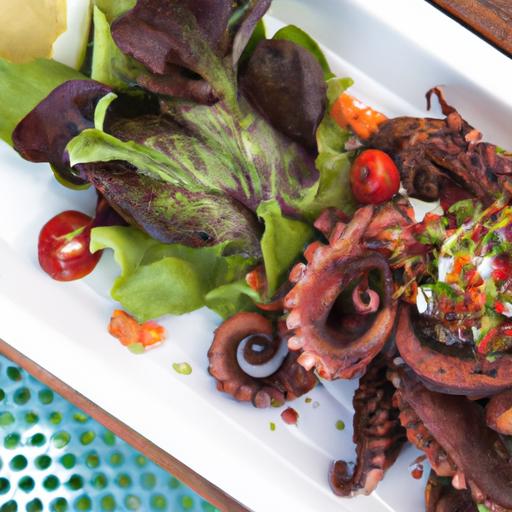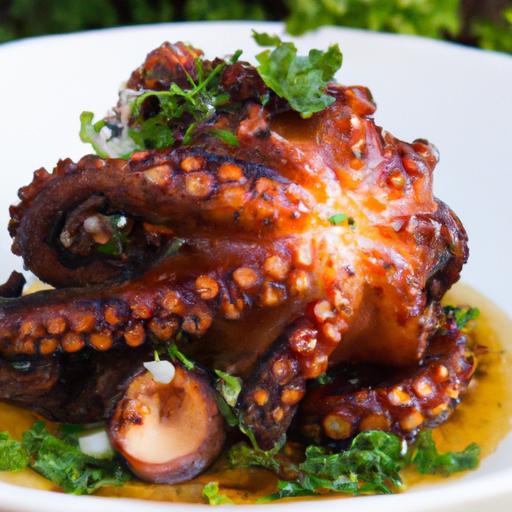

There’s something undeniably captivating about the allure of perfectly grilled octopus-the smoky char, the tender yet slightly firm bite, and the way it melts effortlessly on your tongue. Yet, achieving that ideal texture can be a culinary puzzle that leaves many home cooks intimidated. Fear not: mastering tender grilled octopus is less about luck and more about technique, patience, and a few insider tips. In this article, we’ll unravel the secrets to transforming a seemingly tough tentacle into a succulent masterpiece, guiding you step-by-step toward grilling perfection that delights both the eyes and the palate. Whether you’re a seasoned seafood lover or an adventurous cook eager to impress, get ready to elevate your skills and savor the ocean’s charm like never before.
Mastering Tender Grilled Octopus: Tips for Perfect Texture
When it comes to seafood that transforms a simple meal into a culinary experience, few dishes rival the elegance and bold flavor of grilled octopus. Mastering tender grilled octopus: tips for perfect texture unlock the secret to this Mediterranean classic, ensuring every bite is irresistibly juicy, smoky, and tender. From selecting the best octopus to expert heat control on the grill, this guide reveals the science and artistry behind an unforgettable dish.
Prep and Cook Time
- Preparation Time: 20 minutes
- Cooking Time: 60 minutes (including simmering and grilling)
- Total Time: Approximately 1 hour 20 minutes
Yield
Serves 4 as a main course or 6 as an appetizer
Difficulty Level
Medium – Ideal for home cooks looking to elevate their seafood skills with confidence
Ingredients
- 2 pounds fresh octopus, preferably medium size
- 1 large onion, quartered
- 2 bay leaves
- 1 lemon, halved
- 4 cloves garlic, smashed
- 1/4 cup extra virgin olive oil
- 1 teaspoon smoked paprika
- Salt and freshly ground black pepper, to taste
- Fresh parsley, finely chopped, for garnish
- Optional: A splash of red wine vinegar or a pinch of chili flakes
Instructions
- Clean the octopus: Rinse under cold water to remove any sand or residue. If not pre-cleaned, remove the beak located at the centre of the tentacles by pressing it out gently.
- Simmer for tenderness: Place the octopus in a large pot with the onion, bay leaves, and smashed garlic. Fill with enough water to cover the octopus. Add half the lemon – squeezing juice in – for subtle acidity that helps tenderize. Bring to a gentle simmer over medium heat; avoid boiling to prevent rubberiness. Simmer covered for 45-60 minutes until the octopus is fork-tender.
- Rest and prepare for grilling: Remove from the broth and let cool slightly. Cut the tentacles apart at the joints for even grilling. Reserve some cooking liquid for optional basting during grilling.
- Marinate with flavor: In a shallow dish, combine olive oil, smoked paprika, salt, pepper, and the juice of the remaining lemon half. Toss the octopus pieces to coat evenly. Let rest for 10 minutes to absorb the flavors.
- Preheat your grill: Aim for medium-high heat (around 375°F/190°C). Ensure grill grates are clean to prevent sticking.
- Grill the octopus: Place pieces on the grill, turning occasionally, until charred marks form and the edges become crisp, about 3-4 minutes per side. If desired, baste occasionally with the reserved cooking liquid to maintain moisture.
- Final seasoning and plating: Remove from grill and drizzle with a touch more olive oil. Sprinkle fresh parsley and a pinch of sea salt before serving.
Tips for Success: Elevate Your Grilled Octopus
- Choosing your octopus: Opt for fresh, firm octopus rather than frozen when possible, as freshness is vital for tenderness.
- Simmer gently: Avoid boiling vigorously; a subtle simmer is the secret to breaking down tough muscle fibers without drying out the meat.
- Test for doneness: Use a fork to check tenderness-octopus should offer slight bite without resistance.
- Don’t skip the marinade: The olive oil and paprika build a smoky, rich crust that complements the natural brininess.
- Alternative cooking methods: If you’re short on time, try pressure cooking the octopus for 20 minutes before grilling for equally tender results.
- Make ahead: Cooked octopus can be refrigerated for up to 2 days, perfect for prepping ahead and finishing on the grill just before serving.
Serving Suggestions
Present your grilled octopus with vibrant sides to balance its robust flavor. Consider a fresh watermelon and feta salad, drizzled with balsamic reduction. Accompany with grilled lemon wedges and rustic, crusty bread to soak up the juices. For a gourmet twist, add a dollop of garlic aioli or a sprinkle of smoked sea salt. Pair with a crisp white wine like Assyrtiko or a citrusy Sauvignon Blanc for an unforgettable dining experience.

| Nutrient | Per Serving |
|---|---|
| Calories | 210 kcal |
| Protein | 28g |
| Carbohydrates | 3g |
| Fat | 9g |
Discover more about the rich heritage of Mediterranean grilling techniques here at the FAO Fisheries and Aquaculture Department. Also, check out our complete guide on Seafood Grilling Techniques to expand your culinary repertoire.
Q&A
Q&A: Mastering Tender Grilled Octopus – Tips for Perfect Texture
Q1: Why is grilled octopus often chewy and how can I avoid that?
A: Octopus can be naturally tough due to its dense muscle fibers. The key to tenderness lies in low and slow cooking techniques which break down these fibers. Pre-cooking methods such as simmering or braising before grilling, combined with proper resting, ensure a juicy, melt-in-your-mouth bite rather than a rubbery chew.
Q2: What’s the secret to achieving that perfect grill char without drying out the octopus?
A: Achieve a tantalizing char by grilling octopus quickly over high heat only after it’s been fully tenderized. Think of the grill stage as adding flavor and texture, not cooking from raw. Brush with olive oil to prevent drying, and keep the grill hot for a brief, sizzle-worthy sear.
Q3: Are there any ingredients or marinades that help tenderize octopus?
A: Yes! Acidic marinades with lemon juice, vinegar, or wine not only impart bright flavors but also help break down tough fibers. Additionally, a generous dose of olive oil and herbs like oregano or rosemary can complement the octopus beautifully. Just don’t marinate too long, or the acid might begin to “cook” the octopus.
Q4: How do I test if the octopus is tender enough before grilling?
A: Poke it gently with a fork or try a bite after simmering. It should feel firm but not resistant, easy to pierce yet still springy. If it resists, it needs more simmering time. Perfect tenderness means your grill session will be pure flavor, not a chewy challenge.
Q5: Can I grill octopus whole, or should I cut it before cooking?
A: Both approaches work, but cooking whole is often preferred to retain moisture and flavor. After tenderizing in simmering water, you can separate the tentacles for easier grilling and serving. Whole grilling also makes for an impressive presentation!
Q6: Any final tips for plating grilled octopus like a pro?
A: Absolutely! Serve grilled octopus with vibrant accompaniments: think charred lemon wedges, bright herb salsa verde, or a drizzle of garlic-infused olive oil. Contrast tender meat with crunchy textures-like toasted breadcrumbs or fresh salad-to elevate each bite.
Mastering grilled octopus is all about patience and technique. With these tips, you’re well on your way to creating a dish that’s tender, smoky, and downright irresistible!
In Retrospect
In the end, mastering tender grilled octopus is less about luck and more about understanding the dance between heat, time, and technique. With patience and a few simple tips, you can transform this sometimes intimidating seafood into a succulent centerpiece that delights the senses. Remember, the secret lies in coaxing out that perfect texture – firm yet yielding, smoky yet tender – turning every bite into a culinary triumph. So fire up the grill, embrace the adventure, and let your octopus mastery shine with every deliciously charred tentacle.