
Imagine a cooking technique so simple, yet so transformative, it turns an ordinary fish into a succulent marvel, bursting with pure, natural flavor. Welcome to the world of salt crust cooking-a culinary magic trick that has been cherished for centuries. By encasing your fish in a protective, crystalline shell of salt, this method locks in moisture, intensifies taste, and delivers a perfectly tender, juicy masterpiece every time. In this article, we’ll unlock the secrets behind salt crust cooking and reveal why this time-honored technique deserves a place in your kitchen repertoire. Prepare to elevate your seafood experience with the ancient alchemy of salt.
- Prep and Cook Time
- Yield
- Difficulty Level
- Ingredients
- The Science and Secrets of Salt Crust Cooking for Maximum Juiciness
- Step-by-Step Instructions to Craft Your Aromatic Salt Crust Fish
- Chef’s Expert Tips to Nail Your Salt Crust and Wow Your Guests
- Serving Suggestions to Elevate Your Salt-Crusted Fish Presentation
- Q&A
- In Conclusion
Unlocking flavor through the magic of salt crust cooking for fish reveals a culinary method both ancient and ingenious. This technique, celebrated for sealing in moisture and infusing delicate aromas, transforms a simple fish into a masterpiece of juicy tenderness and subtle seasoning. Rooted in Mediterranean traditions, salt crust cooking not only intensifies natural flavors but also creates a dramatic presentation that wows at the table.
Prep and Cook Time
Preparation: 20 minutes | Cooking: 35-45 minutes (depending on fish size) | Resting: 10 minutes
Yield
Serves 4 people
Difficulty Level
Medium – Perfect for adventurous cooks willing to impress
Ingredients
- 1 whole fish (about 2 to 2.5 lbs, cleaned and scaled; sea bass, branzino, or snapper ideal)
- 4 cups coarse kosher salt, unscented and dry
- 4 egg whites, lightly beaten
- Fresh herbs – 3 sprigs each of thyme, rosemary, and parsley
- 2 lemons, thinly sliced
- 2 cloves garlic, smashed
- Olive oil, for drizzling
- Freshly ground black pepper, to taste
The Science and Secrets of Salt Crust Cooking for Maximum Juiciness
When salt crust cooking a fish, the coarse salt combined with egg whites forms a protective shell that acts like a small oven, evenly distributing heat and preserving the fish’s natural juices. This tightly sealed crust prevents moisture from evaporating, effectively steaming the fish inside. The slight permeability of the salt allows aromatic flavors from the herbs and lemon to gently infuse, creating a beautifully balanced dish without overwhelming saltiness. Moreover, the crust’s insulating layer keeps the fish tender and flaky, locking in succulence you can taste in every bite.
Step-by-Step Instructions to Craft Your Aromatic Salt Crust Fish
- Preheat your oven to 400°F (200°C). Line a rimmed baking sheet with parchment paper for easy cleanup.
- Prepare the salt crust mixture: In a large bowl, combine coarse kosher salt with egg whites. Stir vigorously until the texture resembles wet sand, capable of holding shape when pressed.
- Rinse and dry your fish thoroughly inside and out with paper towels. This step is crucial for crisping the skin beneath the salt.
- Stuff the fish cavity with the fresh herbs, lemon slices, and garlic cloves. Add a drizzle of olive oil and season with freshly ground black pepper.
- Create a salt bed about ½ inch thick on the parchment-lined baking sheet. Place the fish on top, then gently cover it completely with the remaining salt mixture, patting firmly to form an even sealed crust.
- Bake in the preheated oven for 35-45 minutes, depending on the fish size. Resist the urge to peek, as the crust’s integrity is key to perfect steaming.
- Remove from the oven and let it rest for 10 minutes. This allows the juices to redistribute and the salt shell to harden for easier cracking.
- To serve, crack the salt crust open with the back of a spoon or small hammer, revealing tender, aromatic fish ready to be flaked off the bone.
Chef’s Expert Tips to Nail Your Salt Crust and Wow Your Guests
- Salt Selection: Use coarse kosher or sea salt-fine salt will dissolve too quickly and alter texture.
- Herb Variations: Experiment with different aromatic herbs like dill, basil, or tarragon for seasonal twists.
- Moisture Balance: Ensure your fish is thoroughly dried to help the salt crust set correctly and crisp the skin beneath.
- Make-Ahead: Prepare your salt crust mixture ahead, but assemble the fish just before baking for freshness.
- Serving: Remove the fish from the skin for delicate flakes, or serve whole for dramatic presentation-your choice!
Serving Suggestions to Elevate Your Salt-Crusted Fish Presentation
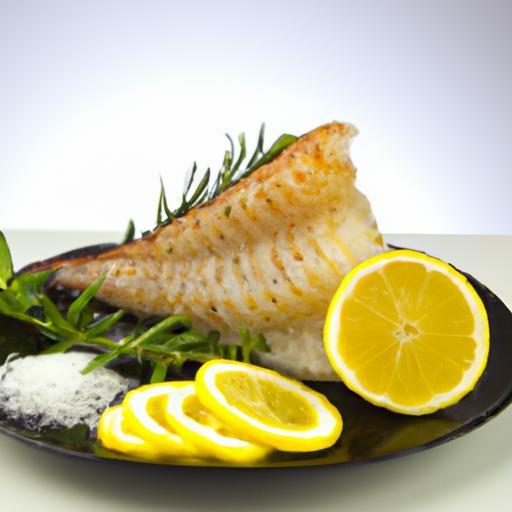
Complement this succulent dish with a simple side of roasted baby potatoes and a crisp arugula salad drizzled with lemon vinaigrette. Garnish with fresh parsley sprigs and thin lemon wedges for a burst of color and brightness. A glass of chilled Sauvignon Blanc or crisp Pinot Grigio pairs beautifully, cutting through the richness and highlighting the fish’s natural sweetness.
| Nutritional Information (per serving) | Calories | Protein | Carbs | Fat |
|---|---|---|---|---|
| Salt Crust Fish | 280 kcal | 40g | 1g | 8g |
To further explore the versatility of salt in cooking and its health benefits, visit Nutrition.org. For a delightful pairing recipe and more seafood techniques, check out our article on Perfect Seafood Grilling Tips.

Q&A
Q&A: Unlocking Flavor – The Magic of Salt Crust Cooking for Fish
Q1: What exactly is salt crust cooking, and how does it work?
A1: Salt crust cooking is a culinary technique where a whole fish is encased in a thick layer of salt – often mixed with egg whites and herbs – and then baked. This crust acts like a natural oven by trapping steam and heat, gently cooking the fish to perfection. The salt seal locks in moisture and infuses subtle flavors, resulting in an incredibly tender, juicy, and flavorful dish.
Q2: Why use salt crust instead of traditional baking or grilling?
A2: Unlike conventional methods, the salt crust creates a micro-environment that steams the fish evenly from all sides. This prevents drying out and overcooking, delivering a texture that’s moist and silky-almost buttery. Plus, the salt crust forms a protective barrier, keeping the delicate fish flesh pure and aromatic without it tasting overly salty.
Q3: Will the fish taste salty from the salt crust?
A3: Surprisingly, no! The salt crust acts more like a shield rather than seasoning the fish heavily. Because it’s sealed, minimal salt penetrates the fish’s skin. The result is a beautifully balanced flavor with just a whisper of saltiness-enough to enhance the natural taste instead of overpowering it.
Q4: Can I customize the salt crust with herbs or spices?
A4: Absolutely! Most chefs blend coarse salt with fresh herbs like thyme, rosemary, or dill, even lemon zest to infuse the fish subtly as it cooks. You can experiment by adding crushed spices or edible flowers to the crust mix, turning your salt crust into a fragrant flavor bomb tailored to your taste.
Q5: What types of fish work best for salt crust cooking?
A5: Salt crust cooking is ideal for whole, firm-fleshed fish such as sea bass, snapper, trout, or branzino. These fish hold up well to the steam and retain their structure, delivering a clean, succulent bite once cracked open from the salt shell.
Q6: Is salt crust cooking difficult or time-consuming?
A6: Not at all! While it may look fancy, the process is quite simple: prep the fish, coat it thickly with the salt mixture, bake, then crack open the crust to reveal your perfectly cooked fish inside. Cooking times vary depending on size, but the hands-on time is minimal – mostly just patience while the magic happens in the oven.
Q7: How do I serve fish cooked in a salt crust?
A7: After tapping and removing the hardened salt shell, carefully peel away the skin and serve the flaky, aromatic fish with a drizzle of olive oil, fresh lemon wedges, or a light herb sauce. The presentation is always a showstopper, spotlighting the pure, natural flavors unlocked by this time-honored technique.
Q8: Can salt crust cooking be adapted for other proteins or vegetables?
A8: Yes! While it’s most famous for fish, salt crust cooking can be applied to poultry, root vegetables, or even eggs to impart moisture and subtle seasoning. Each application enhances textures and flavors in its own magical way, inviting creativity in the kitchen.
Q9: What’s the best tip for beginners trying salt crust cooking for the first time?
A9: Don’t skimp on the salt layer-it needs to be thick and well-packed to form a perfect seal. Also, resist the temptation to peek while baking; the crust protects and steams the fish best when untouched. Embrace the anticipation, and you’ll be rewarded with a sublime seafood experience.
Unlock the enchantment of salt crust cooking and bring out the deepest, purest flavors of fish with this simple yet extraordinary method that’s as fun to prepare as it is delicious to enjoy!
In Conclusion
As the salt crust cracks open, revealing tender, perfectly steamed fish within, it’s clear that this ancient technique is more than just cooking-it’s a culinary revelation. Unlocking flavor through salt crust cooking transforms humble ingredients into a symphony of taste and texture, preserving moisture while infusing subtle seasoning that elevates every bite. Whether you’re a seasoned chef or a curious home cook, embracing this magical method invites you to explore new depths of flavor with minimal fuss and maximum reward. So next time you crave something extraordinary from the sea, remember: sometimes, the simplest embrace-a crust of salt-is all it takes to unlock a world of delicious possibilities.