
In the rhythmic dance of life, your heart plays the leading role-pulsing steadily to the beat of every breath, every emotion, every moment. But when stress crashes the party, that steady rhythm can falter, putting your heart’s health in jeopardy. Welcome to “Heart Smart: Top Stress-Busting Tips for a Healthy Beat,” where we unravel simple yet powerful ways to keep your ticker calm and vibrant. From mindful moments to lifestyle tweaks, discover how to tune out stress and tune in to a stronger, happier heart. Your journey to a healthier beat starts here.
Nutrition Secrets for a Stress-Resilient Heart
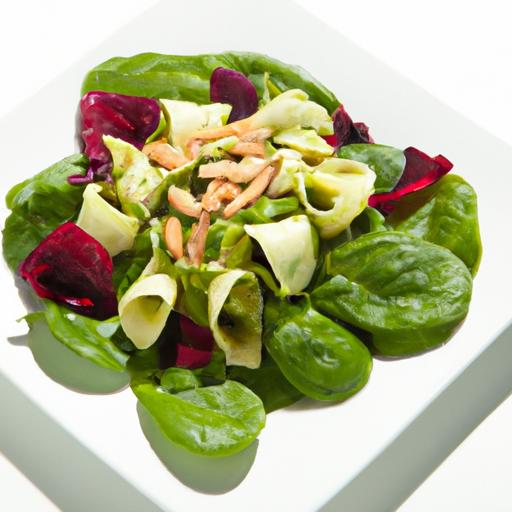
Heart Smart nutrition forms the foundation of a diet that not only nurtures your heart but actively combats the physical and emotional toll of stress. Inspired by Mediterranean flavors and gentle Ayurvedic principles, this vibrant Quinoa & Beet Bowl celebrates ingredients celebrated for their heart-healthy and calming properties. Imagine tender quinoa infused with earthy roasted beets, topped with crunchy walnuts and fresh herbs-all drizzled with a zesty lemon-tahini dressing that dances on your palate while your heart beats stronger and steadier.
Prep and Cook Time
- Prep Time: 15 minutes
- Cook Time: 25 minutes
- Total Time: 40 minutes
Yield
- Serves 4
Difficulty Level
- Easy
Ingredients
- 1 cup quinoa, rinsed
- 2 medium beets, peeled and diced
- 3 tbsp extra virgin olive oil, divided
- 1/4 cup walnuts, roughly chopped
- 1 lemon, juiced
- 2 tbsp tahini
- 1 garlic clove, minced
- 1/4 cup fresh parsley, chopped
- Salt and freshly ground black pepper, to taste
- 1/2 tsp ground turmeric
- Mixed greens or baby spinach for serving
Instructions
- Preheat your oven to 400°F (200°C). Toss diced beets with 2 tablespoons of olive oil, salt, pepper, and ground turmeric. Spread on a baking sheet lined with parchment and roast for 20-25 minutes until tender and slightly caramelized. Set aside to cool.
- Cook quinoa: In a medium saucepan, add rinsed quinoa and 2 cups of water. Bring to a boil, then reduce heat, cover, and simmer for 15 minutes or until water is absorbed and quinoa is fluffy. Fluff with a fork and let cool.
- Prepare dressing: In a small bowl, whisk together lemon juice, tahini, minced garlic, the remaining 1 tablespoon olive oil, and a pinch of salt. Add water by the teaspoon if needed to reach a smooth, pourable consistency.
- Toast walnuts: In a dry skillet over medium heat, toast walnuts for 3-4 minutes, stirring frequently until fragrant and golden. Remove from heat.
- In a large bowl, combine cooked quinoa, roasted beets, toasted walnuts, and chopped parsley. Pour the dressing over and toss gently to coat evenly.
- Serve over a bed of fresh mixed greens or baby spinach, garnished with additional parsley or a lemon wedge for brightness.
Tips for Success
- Swap walnuts for almonds or pumpkin seeds for varied texture while maintaining heart-healthy fats.
- Make this dish ahead and store refrigerated; flavors meld beautifully after a few hours.
- If tahini is unavailable, creamy almond butter works well as a substitute.
- Use canned beets in a pinch, but fresh roasted beets provide the best earthy sweetness and texture.
- For an extra antioxidant boost, sprinkle a teaspoon of chia seeds or ground flaxseed before serving.
Serving Suggestions
This quinoa and beet bowl shines as a rejuvenating lunch or a light dinner. Present it in wide, shallow bowls to showcase the vibrant colors. Garnish with a sprinkle of freshly cracked black pepper and a few sprigs of parsley or microgreens for an elegant finish. Pair with a calming cup of chamomile or green tea to complete your stress-relief meal experience.
| Nutrient | Per Serving |
|---|---|
| Calories | 320 kcal |
| Protein | 8 g |
| Carbohydrates | 36 g |
| Fat | 14 g |
| Fiber | 7 g |
Learn more from the American Heart Association on heart-healthy nutrition to deepen your knowledge and complement this beautiful recipe.
To explore more recipes that blend heart smart eating with deliciousness, visit our Stress-Busting Meals collection.

Q&A
Q&A: Heart Smart – Top Stress-Busting Tips for a Healthy Beat
Q1: Why is managing stress crucial for a healthy heart?
A: Think of your heart as a drummer keeping a steady rhythm. Stress is like an unexpected drum solo-disruptive and exhausting. Chronic stress triggers a cascade of hormones that speed up your heartbeat and tighten blood vessels, increasing your risk for high blood pressure, heart attacks, and strokes. Managing stress helps keep your heart’s rhythm calm, balanced, and strong.
Q2: What are some quick daily habits to keep stress-and heart trouble-at bay?
A: Small actions add up to big heart benefits! Try these:
- Breathe deeply: Just 5 minutes of slow, mindful breathing can lower your blood pressure and slow your heart rate.
- Move your body: A short walk or gentle yoga session is like a tune-up for your ticker.
- Unplug regularly: Less screen time and more “me time” help reset your nervous system.
- Laugh more: Laughter literally relaxes blood vessels and boosts your mood.
Q3: Can diet really influence stress and heart health?
A: Absolutely! Think of food as fuel for both your body and mind. Foods rich in omega-3s (like salmon and walnuts) act like natural chill pills for your brain and heart. Dark leafy greens, berries, and whole grains provide antioxidants that combat stress-linked inflammation. On the flip side, too much caffeine and sugar can rev up your heart’s stress response-so keep those in check.
Q4: How does sleep tie into heart-smart stress management?
A: Sleep is your heart’s nightly reset button. Poor sleep increases stress hormones and inflammation, throwing your heartbeat off balance. Aim for 7-9 hours of quality shut-eye to help your heart recover, reduce anxiety, and improve your overall mood.
Q5: Are there any mind tricks or mental exercises to support a healthy heart beat?
A: Yes! Techniques like meditation, visualization, and gratitude journaling train your brain to handle stress with grace. Imagine your heartbeat as ocean waves-steady and calming. Regular mental workouts help you sail through emotional storms, keeping your heart rhythm smooth and steady.
Q6: When should I seek professional help for stress-related heart issues?
A: If stress feels overwhelming, persistent, or starts causing physical symptoms like chest pain, shortness of breath, or dizzy spells, it’s time to see a healthcare provider. Professional support can guide you through tailored stress management strategies and ensure your heart health stays on track.
Keep your heartbeats happy by mastering the art of stress-busting-because a calm heart is a healthy heart!
In Conclusion
In the rhythm of life, your heart is the drum that keeps everything in sync. By embracing these heart-smart, stress-busting tips, you’re not just protecting your ticker-you’re tuning your entire being to a healthier, happier beat. Remember, managing stress isn’t about eliminating life’s challenges but learning to dance gracefully through them. So take a deep breath, prioritize your well-being, and let your heart lead the way to a vibrant, resilient future. After all, a calm mind and a cared-for heart create the perfect harmony for lifelong health.