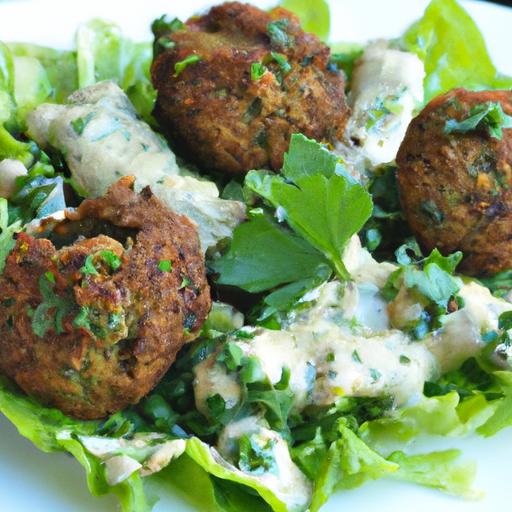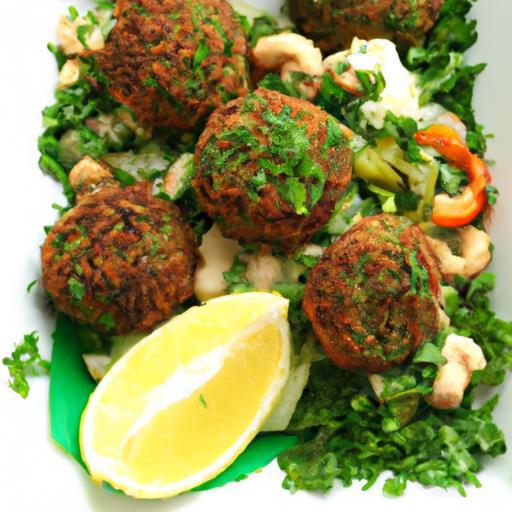

There’s nothing quite like biting into a golden, crispy falafel-only to discover that the inside is still doughy and raw. If you’ve ever experienced this culinary conundrum, you’re not alone. Achieving that perfect crunch on the outside while ensuring the inside is thoroughly cooked can be tricky, but with the right techniques, your falafel can turn out beautifully crisp and fluffy every time. In this article, we’ll dive into why your falafel might be raw inside and share expert tips to help you master the art of making falafel that’s cooked to perfection, promising a delightful crunch with every bite.
Why Is My Falafel Raw Inside? Tips for Perfect Crunch begins with grasping the delicate science behind falafel’s texture. The magic lies not just in the recipe but in understanding how moisture, ingredient selection, and cooking methods interplay to transform humble chickpeas into a golden, crispy delight with a properly cooked interior.
Prep and Cook Time
- Preparation: 12 hours (includes soaking time)
- Active Cooking: 15-20 minutes
- Total Time: 12 hours 20 minutes
Yield
- Approximately 24 medium falafel balls
Difficulty Level
- Medium – requires some planning ahead and basic frying skills
Ingredients
- 1 cup dried chickpeas, soaked overnight
- 1 small onion, roughly chopped
- 3 cloves garlic, minced
- ½ cup fresh parsley, packed
- ½ cup fresh cilantro, packed
- 1 tsp ground cumin
- 1 tsp ground coriander
- ½ tsp baking soda
- 1 tsp salt
- ¼ tsp freshly ground black pepper
- 2 tbsp all-purpose flour (optional, for binding)
- Vegetable oil for frying (enough to deep fry)
Instructions
- Soak the chickpeas: Place dried chickpeas in a large bowl and cover with cold water. Soak for 12 hours or overnight. This crucial step allows the chickpeas to absorb water fully, leading to a tender interior once cooked.
- Drain and grind: Drain the soaked chickpeas thoroughly. Add them to a food processor along with onion, garlic, parsley, cilantro, ground cumin, coriander, salt, and pepper. Pulse repeatedly until the mixture forms a coarse, grainy texture, resembling coarse sand. Avoid pureeing into a paste – this ensures the falafel isn’t dense or raw inside.
- Rest the mixture: Transfer to a bowl. Sprinkle in the baking soda and flour for binding. Mix well and let rest in the refrigerator for 30 minutes. This step helps the flavors meld and the texture firm up, ensuring even cooking later.
- Shape the falafel: Using wet hands or a falafel scoop, form balls or patties roughly 1.5 inches in diameter. Avoid making them too large as excessive thickness can lead to an undercooked center.
- Heat the oil: Pour oil into a deep pan or fryer to a depth of about 2-3 inches. Heat to 350°F (175°C). Use a thermometer for accuracy-oil that’s too cool absorbs excess oil, leading to soggy falafel; too hot and the exterior burns before the inside cooks.
- Fry until golden and crisp: Carefully lower falafel into hot oil in batches. Fry for about 4-5 minutes, turning occasionally, until evenly golden and crispy. Drain on paper towels. The color is a reliable indicator of doneness, but if unsure, cutting one open ensures perfection.
Tips for Success
- Choose dried chickpeas, never canned: Canned chickpeas contain excess moisture that leads to soggy falafel and raw interiors.
- Don’t over-process: A gritty texture is critical; this allows hot oil to penetrate and cook the falafel evenly.
- Temperature control is key: Maintaining steady oil heat between 350-375°F ensures a crispy crust and cooked interior.
- Test a single falafel ball: Before frying the whole batch, cook one to check texture and doneness.
- Use baking soda sparingly: It lightens the mixture but too much can cause collapse.
Serving Suggestions
Serve falafel piping hot, paired with a creamy tahini sauce or cool cucumber-yogurt dip. Sprinkle with fresh herbs and a squeeze of lemon to brighten flavors. For a classic presentation, place inside warm pita bread with crisp lettuce, ripe tomatoes, and pickled vegetables. A side of tabbouleh or a fresh fattoush salad elevates the plate while adding textural contrast.

| Nutrient | Per Falafel Ball (approx.) |
|---|---|
| Calories | 70 kcal |
| Protein | 3.5 g |
| Carbohydrates | 6 g |
| Fat | 4.5 g |
For further insights into traditional falafel variations and expert tips, visit our Falafel Traditions Guide or explore ingredient science from ScienceDaily’s Food Chemistry Research.
Q&A
Q&A: Why Is My Falafel Raw Inside? Tips for Perfect Crunch
Q1: Why is my falafel raw or doughy on the inside even though it looks golden outside?
A1: Your falafel might be raw inside because it wasn’t cooked long enough or at the right temperature. Falafel needs a perfect hot oil bath to cook through completely; otherwise, the exterior crisps too quickly while the middle stays undercooked. Using a pan that’s not hot enough or frying too large a batch at once can cause this.
Q2: Could my falafel batter be the culprit?
A2: Absolutely! If the falafel mixture is too wet or packed too loosely, it can prevent proper cooking inside. The chickpeas should be soaked but not soaked too long or pureed into a mush. A coarse grind with minimal moisture creates that ideal crumbly texture that cooks evenly.
Q3: How can I test if my oil is at the right temperature?
A3: Drop a small piece of falafel batter or a breadcrumb into the oil. If it sizzles immediately and rises to the surface, the oil is hot enough-typically around 350°F (175°C). If it sinks or cooks slowly, the oil is too cool, leading to greasy or raw falafel.
Q4: Are there tricks to ensure perfect cooking inside and out?
A4: Yes! Don’t overcrowd the frying pan – give each falafel enough room for hot oil circulation. Fry in small batches. Also, try frying a test falafel first, slice it open to check doneness, then adjust time or temperature accordingly. Another tip: chill the falafel balls in the fridge for 30 minutes before frying; this helps them hold shape and cook more evenly.
Q5: Is baking an option for juicy, cooked-through falafel?
A5: Baking can be healthier but often yields dry or unevenly cooked falafel. If baking, brush the falafel with oil and bake at a high temperature (around 400°F/200°C), turning them midway for uniform browning. For that unbeatable crunch and tender inside, traditional frying is still the reigning champ.
Q6: Can adding binders like flour or breadcrumbs help?
A6: Binding agents can help hold falafel together but use sparingly. Too much flour can dry them out, but a bit of chickpea flour or breadcrumbs can improve texture and prevent cracking, making it easier to cook fully inside.
Closing Tip: Be patient with your falafel-perfecting the golden crunch with a tender center is an art of balance. With the right soak, grind, oil temperature, and frying technique, you’ll transform that raw center into a crispy, flavorful masterpiece!
In Conclusion
Achieving that perfect falafel-crispy on the outside, tender and fully cooked inside-can feel like a culinary puzzle at first. But armed with the right tips and a little patience, you’ll soon master the art of the flawless falafel. Remember, soaking your chickpeas properly, grinding them just right, and frying at the perfect temperature are the keys to unlocking that golden, crunchy exterior and a thoroughly cooked center. So next time you tuck into your homemade batch, you can savor every bite with confidence, knowing that no falafel will ever catch you off guard again! Happy frying and crunchy eating!