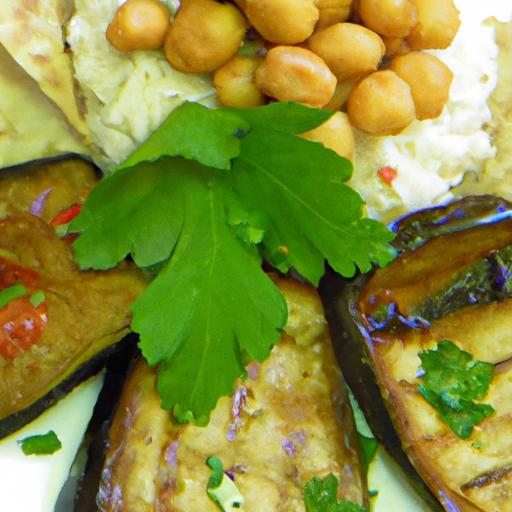

Lebanese cuisine is a vibrant tapestry of colors, aromas, and textures, where every bite tells a story of tradition and hospitality. For those embracing a vegetarian lifestyle or simply eager to explore plant-based delights, Lebanese food offers an irresistible palette of fresh, wholesome ingredients masterfully combined into unforgettable dishes. From tangy tabbouleh to creamy baba ghanoush, the flavors of Lebanon invite you to savor more than just a meal-they invite you to experience a rich cultural heritage through the art of vegetarian cooking. Join us as we journey through the top vegetarian Lebanese recipes that promise to tantalize your taste buds and inspire your kitchen creations.
Savor the Flavors: Top Vegetarian Lebanese Recipes to Try
Savor the flavors of Lebanese vegetarian cuisine, where every dish tells a story of tradition, vibrant ingredients, and the artful balance of spices. Rooted in centuries-old customs from the Levant region, Lebanese plant-based dishes are a symphony of fresh vegetables, pulses, herbs, and fragrant spices, perfect for those seeking wholesome, colorful meals packed with nutrition and soul-deep comfort. From beloved staples like mujadara and tabbouleh to the luxurious flavors of baba ganoush and warak enab, each recipe brings an invitation to savor authenticity in its purest form.
Prep and Cook Time
- Preparation: 25 minutes
- Cooking: 35 minutes
- Total Time: 1 hour
Yield
- Serves 4 generously
Difficulty Level
- Easy to Medium
Essential Ingredients and Spices
To truly capture the essence of Lebanese vegetarian cuisine, these ingredients form the backbone of your dishes. The harmony created by these flavors defines the rich heritage within each bite.
- Bulghur wheat – medium or fine, for tabbouleh and kibbeh
- Dried lentils – green or brown, essential for mujadara
- Chickpeas – cooked or canned, for hummus and salads
- Baba ganoush – roasted eggplant, smoky and silky
- Fresh parsley, mint, and cilantro – aromatic herbs offering bright contrasts
- Sumac – tangy, lemony spice sprinkling finished plates
- Zaatar – herby, savory blend of thyme, sesame, and sumac
- Olive oil – extra virgin, cold-pressed for richness and authenticity
- Garlic – pungent, boosting depth
- Lemon juice – fresh and vibrant, balancing richness
- Onion – caramelized or raw, depending on the dish
- Allspice and cinnamon – warm spices for soulful undertones
Step-by-Step Guide to Crafting Mouthwatering Vegetarian Mezze
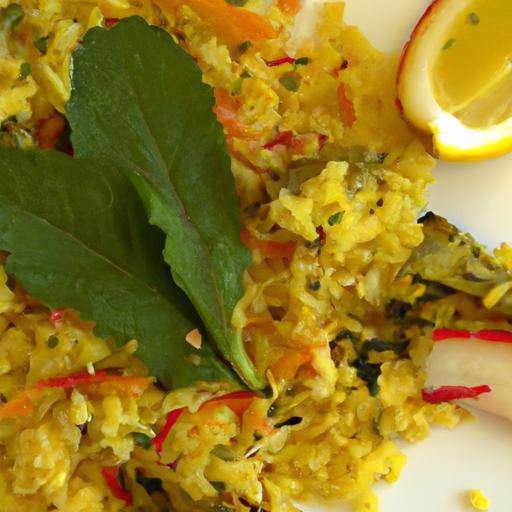
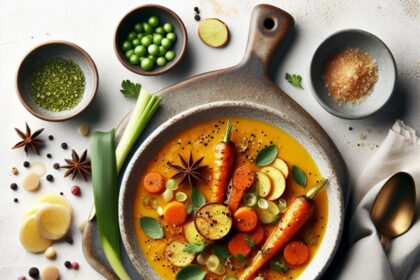
Embark on a culinary journey with this classic mezze plate featuring mujadara – a Lebanese lentil and rice dish crowned with caramelized onions, celebrated for its humble yet unforgettable flavor. Follow along with the easy-to-master steps designed to unlock the vibrant character of Lebanese vegetarian cuisine.
- Prepare the Lentils and Rice: Rinse 1 cup of green lentils and 1 cup of long-grain rice separately under cold water until clear. In a medium pot, combine the lentils with 3 cups of water, bring to a boil, then simmer uncovered for 15 minutes until partially cooked but still firm.
- Combine and Cook: Add the rinsed rice to the pot with lentils along with 1 teaspoon salt, 1/2 teaspoon ground allspice, and 1 cinnamon stick. Cover and simmer on low heat for 20 minutes or until both lentils and rice are tender and water absorbed.
- Caramelize the Onions: Thinly slice 2 large onions. Heat 3 tablespoons olive oil in a heavy skillet over medium heat. Add onions and a pinch of salt, stirring frequently until golden brown and sweet-smelling, about 20 minutes. Stir occasionally to prevent burning.
- Assemble: Remove the cinnamon stick from the lentil-rice mixture. Gently fold half of the caramelized onions into the cooked mujadara to meld flavors.
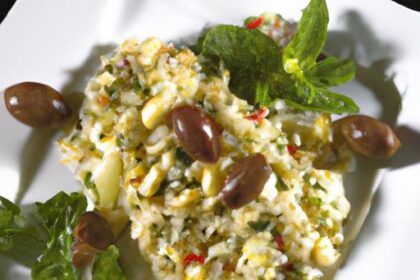
- Serve: Plate the mujadara, topping liberally with the remaining caramelized onions. Garnish with a sprinkle of freshly chopped parsley and a squeeze of lemon juice for brightness.
- Complement With Mezze: Serve alongside warm pita bread, creamy baba ganoush, crunchy tabbouleh, and a drizzle of good quality olive oil to create a vibrant and fulfilling vegetarian mezze experience.
Chef’s Notes and Tips for Success
- Lentils: Opt for whole green or brown lentils; red lentils tend to be mushy and less ideal for mujadara’s texture.
- Caramelized onions: Patience is key – slow cooking brings out a sweetness crucial to balancing the earthiness of lentils and rice.
- Make Ahead: Mujadara can be refrigerated for up to 3 days and tastes even better the next day as flavors meld.
- Variations: For a nutty twist, sauté a handful of pine nuts and sprinkle on top before serving.
- Spice Tweaks: Add a dash of smoked paprika or cumin to the cooking lentils for subtle warmth.
Serving Suggestions
Present your mujadara with vibrant sides that highlight Lebanese vegetarian cuisine’s colorful and fresh character. Arrange a mezze platter featuring:
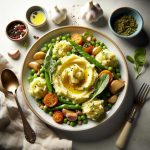
- A bowl of creamy, fragrant baba ganoush garnished with pomegranate seeds and chopped mint.
- Refreshing tabbouleh with finely chopped parsley, bulghur, cucumber, tomato, and a lemon-olive oil dressing.
- Warm, fluffy pita bread or flatbreads to scoop and savor.
- A small dish of pickled turnips or olives to add tang and crunch.
- A drizzle of extra virgin olive oil and a side of fresh lemon wedges to brighten flavors at the table.
Complement this spread with a chilled glass of mint tea or light Lebanese white wine for a perfect balance.
| Nutritional Info (per serving) | Calories | Protein | Carbs | Fat |
|---|---|---|---|---|
| Mujadara | 320 kcal | 12 g | 55 g | 7 g |

Expand your plant-based Lebanese kitchen repertoire by exploring our Lebanese vegetarian salads collection and learn more about the history and health aspects of this cuisine from Britannica.
Q&A
Q&A: Savor the Flavors – Top Vegetarian Lebanese Recipes to Try
Q1: What makes Lebanese cuisine particularly appealing for vegetarians?
A1: Lebanese cuisine shines with its vibrant use of fresh vegetables, fragrant herbs, and wholesome grains. Many traditional dishes are naturally vegetarian, relying on flavors from olive oil, lemon, garlic, and spices like cumin and sumac, making it a paradise for plant-based eaters seeking bold tastes and satisfying textures.
Q2: Can you name some classic Lebanese vegetarian dishes everyone should try?
A2: Absolutely! Must-tries include creamy hummus (chickpea dip), tabbouleh (a parsley and bulgur salad), baba ghanoush (smoky roasted eggplant spread), falafel (crispy chickpea patties), and stuffed grape leaves (warak enab) filled with rice, tomatoes, and herbs.
Q3: How do Lebanese vegetarian recipes balance nutrition and flavor?
A3: Lebanese recipes often combine protein-rich legumes like chickpeas and lentils with fresh vegetables and whole grains, ensuring a well-rounded meal. Generous use of herbs like mint, parsley, and coriander not only boosts flavor but also packs antioxidants and vitamins, creating dishes that are both healthy and delicious.
Q4: What role do spices and herbs play in Lebanese vegetarian cooking?
A4: Spices and herbs are the soul of Lebanese cuisine-they elevate simple ingredients into complex, aromatic dishes. Sumac lends a tangy zing, za’atar adds herby nuttiness, and cinnamon or allspice may appear in stuffed vegetables, contributing warmth and depth without overpowering the fresh produce.
Q5: Are Lebanese vegetarian recipes suitable for everyday cooking?
A5: Definitely! Many dishes are quick to prepare and versatile. For example, a bowl of tabbouleh can brighten lunch, while a batch of falafel makes for excellent leftovers or party snacks. Plus, these recipes encourage fresh, seasonal produce, making them adaptable and sustainable for any kitchen.
Q6: How can someone new to Lebanese cuisine start exploring its vegetarian recipes?
A6: Start simple: whip up a smooth hummus or grill some halloumi cheese alongside a fresh fattoush salad. Then, gradually explore more intricate recipes like mujaddara (lentils and rice with caramelized onions) or stuffed zucchini. Watching cooking videos or joining a Lebanese cooking class can also be a flavorful way to dive deeper.
Q7: What makes Lebanese vegetarian dishes stand out compared to other Mediterranean cuisines?
A7: Lebanese dishes beautifully blend simplicity with boldness-using fresh ingredients paired with unique seasoning combinations that feel both hearty and elegant. Their emphasis on mezze culture (small plates) invites sharing and sampling multiple dishes, creating a vibrant, social dining experience that celebrates variety and freshness.
Q8: Can these recipes be easily adapted for vegan diets?
A8: Most Lebanese vegetarian dishes are already vegan or easily veganized by swapping out dairy ingredients like yogurt or cheese. For instance, use tahini in place of labneh or skip halloumi to keep the meal entirely plant-based without sacrificing flavor or authenticity.
Q9: Which Lebanese vegetarian recipe is best for impressing guests?
A9: Falafel always wins hearts with its crispiness and flavor, perfect for serving with warm pita, pickled veggies, and tahini sauce. Alternatively, a colorful mezze platter featuring hummus, baba ghanoush, tabbouleh, and fresh olives offers a dazzling spread that’s both inviting and authentically Lebanese.
Q10: Where can one find authentic Lebanese ingredients for these recipes?
A10: Specialty Middle Eastern grocery stores or online retailers often stock staples like tahini, sumac, pomegranate molasses, and bulgur wheat. Fresh herbs and vegetables can be sourced locally, and with a few authentic ingredients on hand, you can recreate the rich taste of Lebanon right in your own kitchen.
Final Thoughts
As you embark on your culinary journey through the vibrant world of Lebanese vegetarian cuisine, remember that each recipe is more than just a dish-it’s a celebration of tradition, culture, and wholesome ingredients. From the fragrant spices of mujadara to the fresh zest of tabbouleh, these recipes invite you to savor the rich tapestry of flavors that make Lebanese food truly unforgettable. Whether you’re a seasoned cook or a curious foodie, embracing these vegetarian treasures will not only nourish your body but also inspire your palate. So roll up your sleeves, gather your ingredients, and let the tastes of Lebanon transform your kitchen into a haven of wholesome, flavorful delights. Bon appétit!