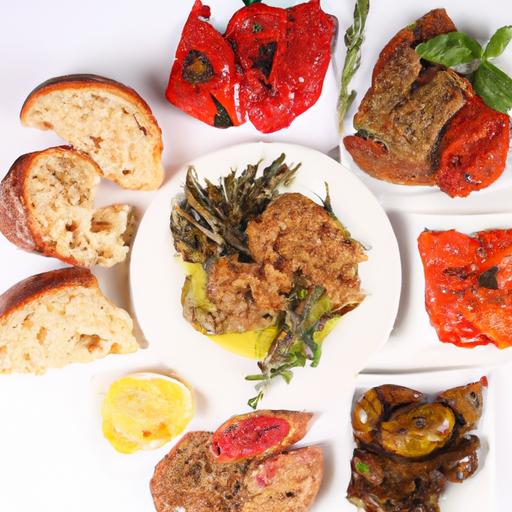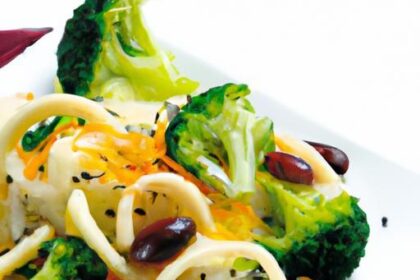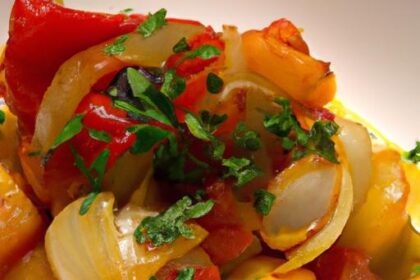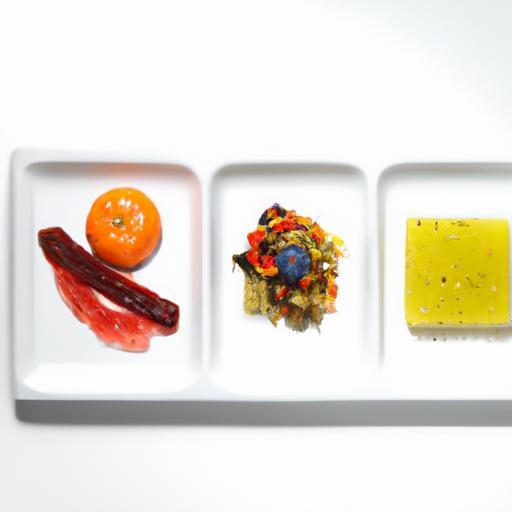

In the vibrant world of Mediterranean and Middle Eastern cuisine, the meze platter is more than just a collection of small dishes-it’s a celebration of flavor, texture, and tradition. Crafting the perfect balanced meze platter is an art that marries bold spices with refreshing herbs, creamy dips with crunchy bites, and savory sensations with subtle hints of sweetness. Whether sharing with friends or indulging in a solo culinary adventure, understanding how to harmonize these diverse elements transforms a simple assortment into a feast for the senses. Join us as we explore the essential components and flavor combinations that make a meze platter irresistibly balanced and delightfully memorable.
Crafting the Perfect Balanced Meze Platter: A Flavor Guide
Crafting the perfect balanced meze platter is an art form rooted in harmony-where contrasting textures and complementary flavors collide to create a vibrant and memorable experience. This Mediterranean tradition celebrates fresh, seasonal ingredients enhanced by thoughtful spice pairings that delight every palate. Whether hosting an intimate gathering or a festive celebration, mastering this flavor guide will elevate your meze to a stunning centerpiece bursting with authenticity and flair.
Prep and Cook Time
- Preparation: 25 minutes
- Cooking Time: 30 minutes
- Total Time: 55 minutes
Yield
Serves 6 as a shared appetizer platter
Difficulty Level
Medium – Perfect for home cooks eager to impress with nuanced flavors
Ingredients
- 1 cup chickpeas, soaked overnight and cooked
- 2 tbsp extra-virgin olive oil
- 3 cloves garlic, minced
- 1 tsp ground cumin
- 1 tsp smoked paprika
- 1 medium lemon, juiced
- ½ cup Greek yogurt
- 1 cup thinly sliced cucumbers
- ½ cup diced fresh tomatoes (preferably heirloom for seasonality)
- ¼ cup fresh dill, chopped
- 1 medium roasted red bell pepper, peeled and sliced
- ½ cup crumbled feta cheese
- 1 small red onion, thinly sliced and soaked in cold water
- 1 cup warm pita bread, cut into triangles
- 1 tbsp finely chopped fresh mint
- Salt and freshly ground black pepper to taste
Instructions
- Prepare the chickpeas: In a medium skillet, heat 1 tbsp olive oil over medium heat. Add minced garlic and sauté until fragrant, about 1 minute. Stir in cooked chickpeas, cumin, smoked paprika, and a pinch of salt. Cook for 5-7 minutes, stirring occasionally, until chickpeas are lightly caramelized and infused with spice. Set aside to cool slightly.
- Make the yogurt sauce: In a small bowl, whisk together Greek yogurt, lemon juice, remaining olive oil, chopped dill, and fresh mint. Season with salt and pepper. Refrigerate until ready to serve.
- Assemble the fresh vegetable medley: Combine sliced cucumbers, diced tomatoes, roasted red pepper slices, and red onion in a bowl. Toss gently with a drizzle of olive oil, a squeeze of lemon, and a pinch of salt to enhance natural sweetness and maintain crispness.
- Plate the platter: On a large wooden board or platter, artfully arrange the spiced chickpeas, yogurt sauce in a small bowl, and the fresh vegetable medley. Scatter crumbled feta over the vegetables and add warm pita triangles around the edges for easy dipping.
- Finish with a garnish: Lightly sprinkle additional smoked paprika over the chickpeas and fresh herbs atop all components to create layers of color and fragrance. Serve immediately to preserve freshness and texture contrast.
Chef’s Notes
- Flavor harmony: Balancing bold spices like smoked paprika and cumin with cooling elements such as yogurt and fresh cucumbers is key to crafting the perfect balanced meze platter. This contrast plays on both heat and freshness to delight all taste buds.
- Seasonal swaps: Incorporate whatever crisp vegetables are at their peak-sliced radishes or grilled zucchini work beautifully in summer, while roasted carrots or beets add warmth in cooler months.
- Make ahead: The spiced chickpeas and yogurt sauce can be prepared a day in advance and stored separately. Assemble just before serving to maintain the appealing textures that define the dish.
- Substitutions: For a vegan version, omit feta and substitute yogurt with coconut or almond-based plant yogurt to maintain creaminess without dairy.
Serving Suggestions
Present the platter on a rustic wooden board for casual charm or a sleek ceramic tray for an elegant affair. Garnish with lemon wedges and fresh herbs to invite guests to customize bites. Pair with chilled white wine or sparkling water infused with fresh herbs for a refreshing complement.
| Nutrient | Per Serving |
|---|---|
| Calories | 210 kcal |
| Protein | 8 g |
| Carbohydrates | 28 g |
| Fat | 7 g |
Explore more Mediterranean dips and spreads to enhance your meze repertoire. For further inspiration on balancing spices and textures, visit Serious Eats.

Q&A
Q&A: Crafting the Perfect Balanced Meze Platter – A Flavor Guide
Q1: What exactly is a meze platter?
A1: A meze platter is a vibrant, colorful array of small dishes, typically enjoyed as appetizers or shared plates across Mediterranean, Middle Eastern, and Balkan cultures. It’s a celebration of diverse flavors, textures, and aromas designed to tantalize taste buds and nourish convivial moments.
Q2: Why is balance important when creating a meze platter?
A2: Balance is the secret ingredient for a stellar meze platter. It ensures that no single flavor overwhelms the others and that every bite is a harmonious dance of tastes-savory, sweet, tangy, creamy, and spicy-paired with contrasting textures like crunchy, smooth, and chewy. This equilibrium keeps the palate interested and invites guests to savor every morsel.
Q3: What are the main flavor profiles to include?
A3: To craft a balanced meze, aim for these flavor pillars:
- Savory/umami: Think grilled meats, olives, or smoky eggplant dips.
- Tangy: Citrusy pickles, marinated vegetables, or a squeeze of fresh lemon juice.
- Creamy: Rich hummus, silky yogurt-based dips like tzatziki, or labneh.
- Spicy/peppery: Harissa, spicy peppers, or a sprinkle of za’atar.
- Sweet: Roasted nuts, dried fruits, or a drizzle of honey to add warmth and contrast.
Q4: How important are textures in a meze platter?
A4: Textures are just as vital as flavors. A truly memorable meze platter plays with contrasts: crunchy toasted pita or crispy falafel paired with smooth dips and tender grilled vegetables. Combining chewy breads, crunchy nuts, and creamy spreads keeps each bite exciting and satisfying.
Q5: Can a meze platter be adapted for different dietary needs?
A5: Absolutely! One of the joys of meze is its versatility. Vegetarians will find a bounty of options like stuffed grape leaves, falafel, and roasted chickpeas. For gluten-free guests, swap pita for fresh vegetable sticks or gluten-free bread. Meze can easily cater to vegan, nut-free, and dairy-free diets with thoughtful ingredient choices.
Q6: Are there traditional staples every meze platter should include?
A6: While creativity is key, some classics add authenticity and guaranteed crowd-pleasing flavors: hummus, baba ganoush, olives, fresh tomatoes with herbs, dolmas, and a selection of cheeses like feta or halloumi. Including these anchors provides a familiar foundation amidst more adventurous bites.
Q7: How should I arrange the components for the best presentation?
A7: Presentation is your silent partner in delighting guests. Arrange dips in small bowls surrounded by neatly stacked breads and clustered components by type-greens together, pickles in a corner, and proteins front and center. Add vibrant garnishes like pomegranate seeds, fresh herbs, or a drizzle of olive oil to elevate visual appeal.
Q8: What beverages complement a meze platter?
A8: Meze’s bright, lively flavors pair wonderfully with crisp white wines like Sauvignon Blanc or a dry Rosé. For non-alcoholic options, sparkling water with lemon or herbal teas accent the food’s freshness. And of course, traditional accompaniments like ouzo or arak bring a festive spirit to the table.
Q9: Any tips for sourcing ingredients for an authentic meze platter?
A9: Hunt for quality and seasonality-fresh herbs, ripe tomatoes, and good-quality olive oil make all the difference. Visit local markets or specialty stores to find authentic spices like sumac, za’atar, and smoked paprika. Don’t hesitate to make key components by hand, like homemade pita or fresh labneh, for that extra homemade touch.
Q10: How can I make my meze platter uniquely memorable?
A10: Infuse your personality into the platter! Incorporate family recipes, seasonal produce, or unexpected twists like a hint of smoked chili in your dip or a novel pickling flavor. The perfect meze platter is a story on a plate-rich in tradition, creativity, and heart.
To Conclude
As you embark on your journey to craft the perfect balanced meze platter, remember that this vibrant mosaic of flavors is more than just a meal-it’s an invitation to savor the rich tapestry of Mediterranean culture. From tangy dips and briny olives to crunchy vegetables and tender grilled bites, each element plays a vital role in creating a harmonious symphony of tastes and textures. By thoughtfully blending freshness, spice, creaminess, and crunch, your platter will not only delight the palate but also spark conversations and connections around the table. So gather your ingredients, embrace the art of balance, and let your meze platter become a celebration of flavor, friendship, and the timeless joy of sharing good food.