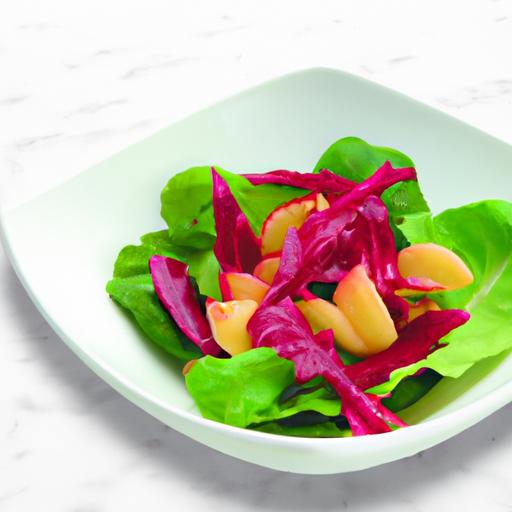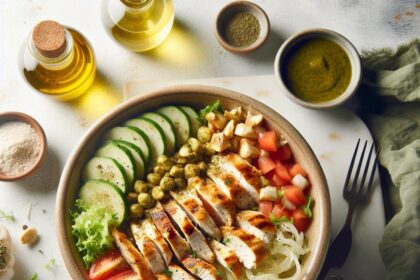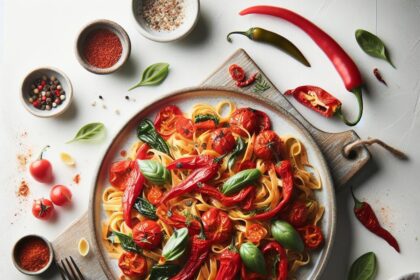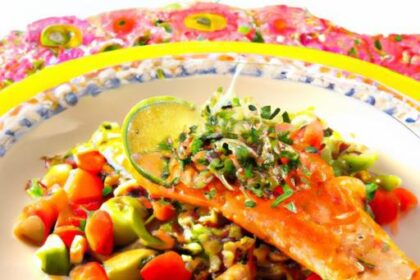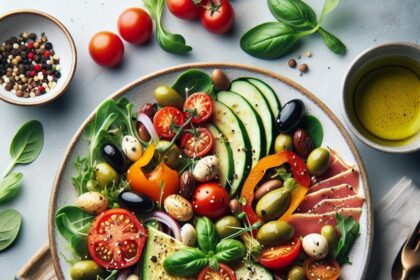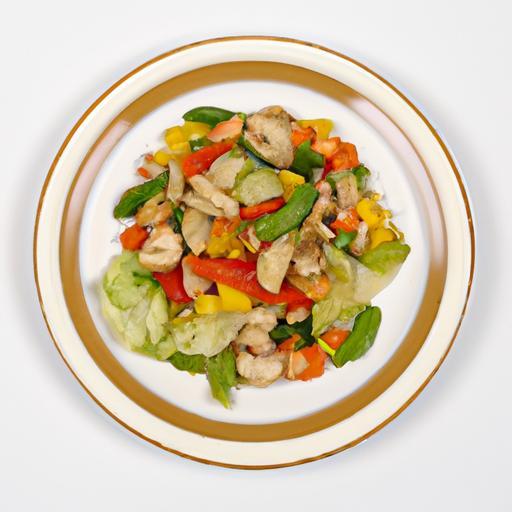

In a world where flavor often meets salt in the kitchen, discovering delicious dishes that support your heart health might seem like an impossible balancing act. But what if controlling your blood pressure didn’t mean sacrificing taste? Welcome to the vibrant world of “Heart-Healthy Bites,” where each low-sodium recipe is crafted to nourish your body and delight your palate. Here, fresh ingredients and thoughtful seasoning come together in perfect harmony, proving that eating for a healthier heart can be both satisfying and scrumptious. Join us on this culinary journey to unlock flavorful, heart-friendly meals that help keep your blood pressure in check-one bite at a time.
Heart-Healthy Bites: Tasty Low-Sodium Recipes for BP Control unlock the secrets to managing blood pressure while enjoying vibrant flavors that brighten your plate. Reducing sodium doesn’t mean sacrificing taste; it opens the door to creative flavor swaps and wholesome ingredients that naturally support heart health. This recipe post demonstrates approachable, delicious, and low-sodium dishes that empower you to eat well and care for your cardiovascular system effortlessly.
Prep and Cook Time
Preparation: 15 minutes
Cooking: 25 minutes
Total: 40 minutes
Yield
Serves 4 hearty portions
Difficulty Level
Easy to Medium – perfect for busy weeknights or casual entertaining
Ingredients
- 1 cup cooked quinoa (rinsed and drained)
- 1 medium sweet potato, peeled and diced into ½-inch cubes
- 1 small red bell pepper, finely chopped
- 1 cup baby spinach, roughly chopped
- 1 tbsp olive oil (extra virgin preferred)
- 2 cloves garlic, minced
- 1 tsp smoked paprika
- 1 tsp ground cumin
- Freshly ground black pepper, to taste
- 1 tbsp fresh lemon juice
- ¼ cup chopped fresh parsley
- ½ cup low-sodium vegetable broth
- 1 tbsp toasted pumpkin seeds (optional for crunch)
Instructions
- Preheat your oven to 400°F (200°C). Toss the diced sweet potatoes with half the olive oil, smoked paprika, and cumin. Spread them evenly on a parchment-lined baking sheet.
- Roast the sweet potatoes for 20 minutes or until tender and slightly caramelized, flipping once halfway through for even cooking.
- While the sweet potatoes roast, heat the remaining olive oil in a large skillet over medium heat. Add the minced garlic and sauté for 1 minute until fragrant but not browned.
- Add the chopped red bell pepper and cook for 3-4 minutes until softened. Stir in the baby spinach and cook until just wilted.
- Pour in the low-sodium vegetable broth and let it simmer for 2 minutes. Add the cooked quinoa and roasted sweet potatoes to the skillet. Stir gently to combine.
- Season with black pepper and fresh lemon juice to brighten the flavors. Remove from heat and fold in the fresh parsley.
- Serve warm, garnished with toasted pumpkin seeds for a delightful crunch and an extra boost of heart-healthy fats.
Tips for Success
- To save time, cook quinoa in advance and store it chilled for up to 3 days.
- If you prefer a spicier note, add a pinch of cayenne pepper or red chili flakes midway through cooking the bell peppers.
- Swap pumpkin seeds with toasted walnuts or sunflower seeds for different textures and flavors.
- For extra protein, stir in cooked chickpeas or grilled chicken breast (seasoned with herbs, not salt).
- This dish reheats beautifully – add a splash of vegetable broth if it feels dry when warming.
Serving Suggestions
Plate these vibrant, low-sodium quinoa bowls with a dollop of creamy avocado or a side of fresh cucumber and tomato salad dressed with olive oil and lemon zest. Finish with a sprinkle of microgreens or fresh basil for a touch of herbal brightness. This colorful presentation not only tempts the eyes but supports heart health and flavor balance beautifully.

| Nutrient | Per Serving |
|---|---|
| Calories | 320 kcal |
| Protein | 9 g |
| Carbohydrates | 45 g |
| Fat | 8 g (mostly healthy fats) |
For those eager to dive deeper into heart-friendly nutrition, explore our related article on heart-healthy snacks. Additionally, credible guidance on sodium intake and blood pressure can be found at the American Heart Association.
Q&A
Q&A: Heart-Healthy Bites – Tasty Low-Sodium Recipes for BP Control
Q1: Why is managing sodium intake important for controlling blood pressure?
A: Sodium directly influences fluid balance and blood vessel tension. Excess sodium causes the body to retain water, increasing blood volume and pressure on artery walls. Lowering sodium intake helps reduce this pressure, making it easier for your heart to pump efficiently and reducing the risk of hypertension-related complications.
Q2: Can low-sodium recipes still be flavorful, or do they just taste bland?
A: Absolutely! Low-sodium doesn’t mean low flavor. Creative use of herbs, spices, citrus, and natural umami-rich ingredients can transform dishes into vibrant, mouthwatering meals. Think zesty lemon, roasted garlic, fresh basil, or smoky paprika enhancing every bite without the need for salt overload.
Q3: What are some easy swaps to cut down sodium in everyday cooking?
A: Simple swaps include using fresh or dried herbs instead of salt, opting for fresh vegetables over canned (or rinsing canned veggies thoroughly), choosing low-sodium broths, and seasoning with acid-such as vinegar or lemon juice-to brighten flavors. Also, swapping processed snacks for homemade versions can significantly lower daily sodium intake.
Q4: How do these heart-healthy recipes support overall cardiovascular wellness beyond just lowering blood pressure?
A: These recipes often emphasize whole, nutrient-rich ingredients like leafy greens, nuts, whole grains, and lean proteins, which provide antioxidants, fiber, and healthy fats. Together, they help reduce inflammation, improve cholesterol levels, and promote a healthy weight-all critical factors in protecting heart health.
Q5: Are there any tips for transitioning to a low-sodium diet without feeling deprived?
A: Gradually reducing salt helps your taste buds adjust over time. Experiment with new herbs and spices that excite your palate. Exploring global cuisines like Mediterranean or Asian dishes can introduce you to naturally flavorful, low-sodium approaches. Also, cooking at home more often puts you in control of ingredients, making the shift easier and rewarding.
Q6: Can you recommend a quick, heart-healthy snack idea with low sodium?
A: Try a crunchy mix of unsalted almonds, pumpkin seeds, and dried cranberries lightly tossed with a sprinkle of cinnamon and a squeeze of fresh orange juice. This sweet-and-savory combo is rich in heart-friendly nutrients, fiber, and antioxidants, keeping your taste buds and blood pressure happy!
Embracing low-sodium eating is a journey toward a stronger, healthier heart-one tasty bite at a time!
Future Outlook
As you embark on your journey toward better blood pressure and a healthier heart, remember that delicious eating doesn’t have to mean sacrificing flavor. These heart-healthy bites prove that low-sodium can be vibrant, satisfying, and utterly crave-worthy. By embracing fresh ingredients, smart seasoning swaps, and balanced nutrition, you’re not just managing your blood pressure-you’re nurturing a lifelong love affair with wellness on your plate. So go ahead, savor every bite knowing it’s a step closer to a stronger, happier heart. Your taste buds-and your heartbeat-will thank you.