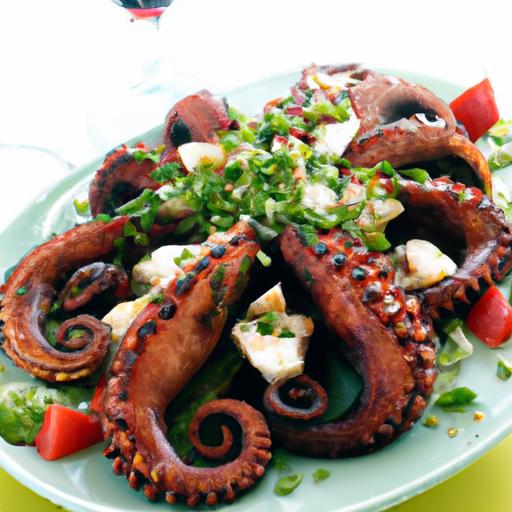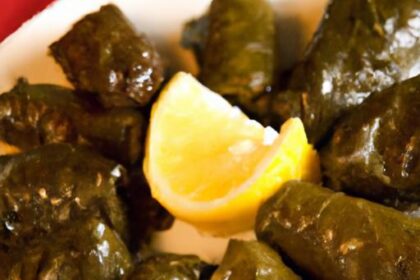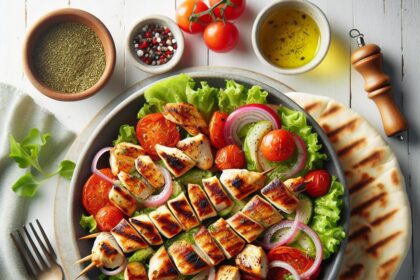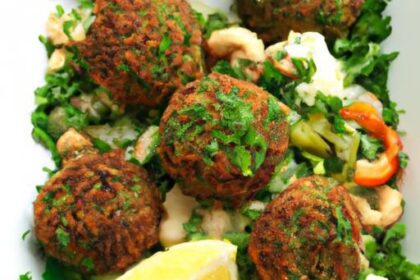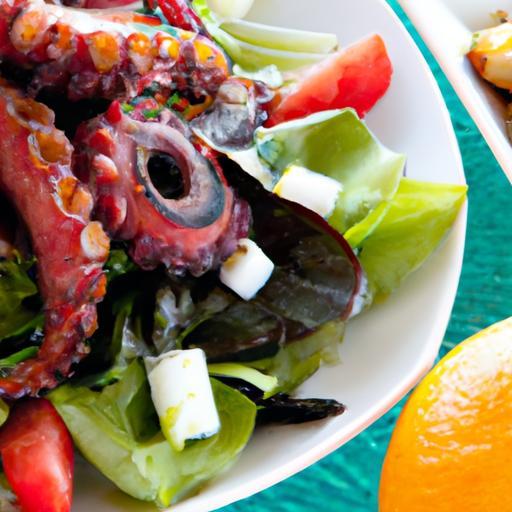

There’s something undeniably captivating about the allure of Greek cuisine-its vibrant colors, bold flavors, and timeless traditions dance together on every plate. Among the ocean’s many gifts, grilled octopus stands as a crown jewel, celebrated for its tender texture and smoky, charred essence. Yet, mastering this culinary icon can be as mysterious as the Aegean Sea itself. In this flavorful recipe guide, we’ll unravel the secrets behind perfecting Greek grilled octopus, from the art of tenderizing to the symphony of herbs and spices that bring each bite to life. Prepare to embark on a gastronomic voyage that transforms this humble seafood into a masterpiece worthy of any Mediterranean feast.
Mastering Greek Grilled Octopus: A Flavorful Recipe Guide
Mastering Greek Grilled Octopus invites you into a sensory experience steeped in Mediterranean tradition, where tender, smoky octopus meets vibrant, citrus-kissed marinades. This beloved Greek dish is a celebration of fresh seafood and skillful preparation that transforms the humble octopus into a centerpiece of any summer table.
Prep and Cook Time
- Preparation Time: 30 minutes
- Marination Time: 4 to 6 hours
- Cooking Time: 15 to 20 minutes
Yield
- Serves 4 as a main dish or 6 as an appetizer
Difficulty Level
- Medium – Ideal for cooks familiar with seafood handling and open-flame grilling
Ingredients
- 2 lbs fresh octopus, whole, cleaned
- 1/4 cup extra virgin olive oil
- Juice of 2 lemons (preferably freshly squeezed)
- 4 cloves garlic, crushed
- 1 tablespoon dried oregano (preferably Greek oregano)
- 1 teaspoon smoked paprika
- 1/2 teaspoon crushed red pepper flakes (optional for gentle heat)
- Salt and freshly ground black pepper, to taste
- Fresh parsley, chopped for garnish
- 1 bay leaf (for boiling)
- Water, enough to cover octopus when boiling
Instructions
- Selecting and Cleaning the Octopus: Choose a firm, fresh octopus with a shiny, moist surface and no strong fishy odor. Rinse under cold water and pat dry.
- Simmer to Tenderize: In a large pot, bring water to a gentle simmer with the bay leaf. Submerge the octopus and cook gently for 45-60 minutes until tender when pierced with a fork. Avoid boiling vigorously to prevent toughness.
- Prepare the Marinade: In a bowl, combine olive oil, lemon juice, crushed garlic, oregano, smoked paprika, red pepper flakes, salt, and pepper. Whisk thoroughly to harmonize flavors.
- Marinate the Octopus: Once cooled, chop the octopus into manageable tentacle pieces. Submerge them into the marinade, cover, and refrigerate for at least 4 hours-overnight preferred for deeper flavor infusion.
- Preheat Grill: Bring your grill to medium-high heat, aiming for a temperature of around 375°F (190°C). Clean and oil the grates to prevent sticking.
- Grill to Perfection: Remove octopus from marinade, letting excess drip off. Grill pieces for about 3-4 minutes per side, or until nicely charred yet tender. Turn carefully with tongs to avoid tearing flesh.
- Final Touch: Transfer grilled octopus onto a warm serving plate. Drizzle with reserved marinade for extra zest and sprinkle generously with fresh parsley.
Tips for Success
- For optimal tenderness, freeze octopus for 24 hours before preparation; this breaks down tissue fibers.
- If fresh octopus is unavailable, buy frozen, thaw slowly overnight in the refrigerator.
- Use heavy charcoal or wood chips for authentic smoky flavors-oak or olive wood are traditional favorites.
- Test doneness by probing the thickest part: it should yield easily without falling apart.
- Marinate for at least 4 hours, but 12 hours will improve flavor complexity immensely.
- This recipe pairs beautifully with a crisp white wine like Assyrtiko, a native Greek varietal.
Serving Suggestions
Present your grilled octopus elegantly on a rustic platter lined with lemon wedges and oregano sprigs. Accompany it with classic spanakopita or a fresh Greek salad for balance. A drizzle of extra virgin olive oil and a sprinkle of flaky sea salt right before serving elevate the dish visually and flavor-wise. Toasted pita or crusty sourdough bread are perfect for soaking up the juices, while a chilled glass of ouzo or dry white wine complements the smoky notes flawlessly.
| Nutrient | Amount per serving |
|---|---|
| Calories | 220 kcal |
| Protein | 34 g |
| Carbohydrates | 2 g |
| Fat | 7 g |

For more detailed tips on grilling seafood and mastering Mediterranean flavors, visit Serious Eats for expert guidance on grilling techniques.
Q&A
Q&A: Mastering Greek Grilled Octopus – A Flavorful Recipe Guide
Q1: Why is grilled octopus such a beloved dish in Greek cuisine?
A1: Grilled octopus is a timeless symbol of Greek coastal culture-its tender, smoky flavor paired with simple, vibrant ingredients like olive oil, lemon, and herbs captures the essence of the Mediterranean sun and sea. It’s a celebration of fresh, wholesome food that’s both rustic and refined.
Q2: What’s the secret to achieving perfectly tender grilled octopus?
A2: The key lies in slow and patient cooking. Traditionally, octopus is simmered gently or even frozen and thawed before grilling to break down its natural toughness. A common method is to simmer it in a flavorful broth or with a wine and herb bath until tender, then finish it on a hot grill for that irresistible charred crust.
Q3: How should I prep the octopus before grilling?
A3: Start by cleaning the octopus thoroughly-removing the beak and eyes if not already done. Then, boil or simmer the octopus until tender. Once cooled, pat it dry and lightly brush with olive oil, lemon juice, garlic, and oregano. This marinade infuses the flesh with classic Greek flavors while ensuring it won’t stick to the grill.
Q4: What grilling techniques enhance the taste and texture?
A4: Grill the octopus over medium-high heat to get a smoky char without overcooking. Turning frequently allows for an even crust. The slight crispiness of the exterior contrasts beautifully with the succulent interior. Avoid overcrowding the grill, ensuring each piece gets perfect contact with the grates.
Q5: Are there traditional sides or accompaniments that elevate the dish?
A5: Absolutely! Greek grilled octopus shines alongside simple sides like horta (boiled greens), lemony roasted potatoes, fresh tomatoes, and tzatziki. A drizzle of quality extra virgin olive oil and a splash of fresh lemon juice right before serving bring the entire plate to life.
Q6: Can this recipe be adapted for beginners or those without outdoor grills?
A6: Certainly! If you lack a grill, a grill pan or broiler works wonders indoors. Just ensure to monitor closely to achieve those signature char marks. For beginners, marinating octopus in advance and cooking it gently to tender perfection removes much of the guesswork, making this impressive dish accessible and rewarding.
Q7: What wines pair best with grilled octopus?
A7: Crisp, mineral-driven white wines are perfect companions-think Assyrtiko from Santorini or a verdant Sauvignon Blanc. Their bright acidity complements the smoky, citrusy notes of the octopus, creating a harmonious balance on the palate.
Q8: Any insider tips to make this recipe truly exceptional?
A8: One tip is to toast the octopus on the grill until each bite releases a burst of smoky flavor-don’t be afraid of a little char. Another is to finish with a sprinkle of freshly chopped parsley and a pinch of sea salt flakes for freshness and texture. Finally, embracing the simplicity of quality ingredients is what makes this humble sea creature truly sing on your plate.
Wrapping Up
As the smoky aroma of perfectly charred octopus fades from your grill, you’ll find that mastering this Greek classic is more than just a recipe-it’s a celebration of tradition, technique, and bold flavors. Armed with the tips and tricks shared in this guide, you’re now ready to transform a humble sea creature into a succulent centerpiece worthy of any Mediterranean feast. So fire up your grill, embrace the art of tenderizing and seasoning, and let each bite transport you to the sun-drenched shores of Greece. Mastery is just a sizzle away-your flavorful journey begins here.