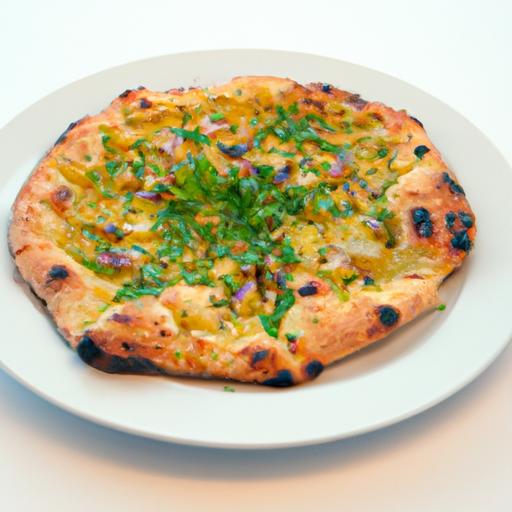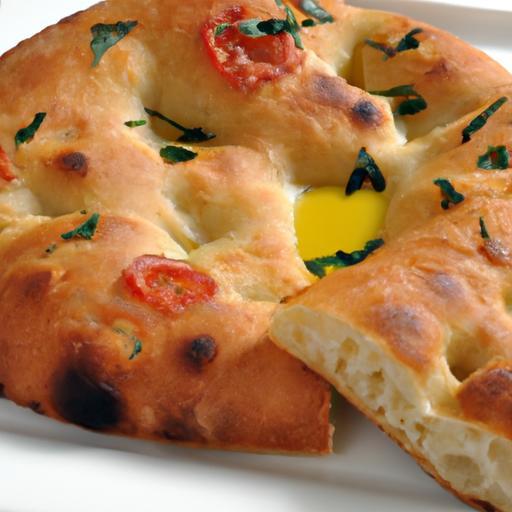

Beneath the golden crust and airy crumb of focaccia lies a tale as rich and layered as the bread itself. More than just a beloved staple on Italian tables, focaccia is a culinary canvas that has woven together centuries of history, tradition, and regional pride. From sun-kissed Ligurian shores to bustling city bakeries, this humble flatbread tells a story of place, passion, and pasta’s humble cousin rising to global fame. Join us as we unfold the story behind Italy’s famous bread-focaccia-delving into its origins, cultural significance, and the timeless art of baking that continues to captivate taste buds around the world.
Focaccia unfolded reveals a captivating tale rooted in ancient Italy, where this aromatic, olive oil-infused flatbread has long been a beloved staple across diverse regions. Its origins trace back to the Etruscans and Romans, who baked simple doughs topped with herbs and coarse salt on hot stones, laying the foundation for the soft, golden focaccia that enchants palates today. Each bite carries the warmth of centuries, enriched by countless variations that reflect Italy’s rich culinary tapestry.
Prep and Cook Time
- Preparation: 20 minutes
- First Rise: 1 hour 30 minutes
- Shaping and Second Rise: 30 minutes
- Baking: 20 minutes
- Total Time: Approximately 3 hours 40 minutes
Yield
One 12-inch focaccia, serving 6 to 8 people as an appetizer or side.
Difficulty Level
Medium – mastering dough fermentation and handling is key to achieve the perfect balance of airy crumb and crisp crust.
Ingredients
- 3 ½ cups (420g) all-purpose flour, sifted and leveled
- 1 ¼ cups (300ml) warm water (about 100°F/38°C)
- 2 teaspoons active dry yeast
- 1 tablespoon honey or granulated sugar to feed the yeast
- 1 teaspoon fine sea salt
- ¼ cup (60ml) extra virgin olive oil, plus more for drizzling
- Coarse sea salt for sprinkling
- 2 tablespoons mixed fresh rosemary, finely chopped (optional)
Instructions
- Activate the Yeast: In a small bowl, combine the warm water, honey, and yeast. Stir gently and let it sit for 5-10 minutes until frothy, signaling the yeast is alive.
- Mix the Dough: In a large mixing bowl, whisk together the flour and fine sea salt. Slowly pour in the yeast mixture and ¼ cup olive oil, stirring with a wooden spoon until a shaggy dough forms. It will be sticky-this is ideal for focaccia’s light texture.
- Knead: Turn the dough onto a lightly floured surface and knead for about 8 minutes until smooth and elastic. Alternatively, use a stand mixer fitted with a dough hook on low speed for 5-6 minutes. The dough should hold together but remain soft.
- First Rise: Lightly oil a large bowl and place the dough inside, turning once to coat. Cover with a damp kitchen towel or plastic wrap and let rise in a warm draft-free place for 1 hour 30 minutes, until doubled in size.
- Shape and Second Rise: Gently deflate the dough and transfer it to a well-oiled 12-inch baking pan or rimmed sheet. Use your fingertips to press and stretch it evenly across the pan, creating classic dimples. Drizzle with more olive oil and sprinkle with chopped rosemary and coarse sea salt. Cover and let rise another 30 minutes.
- Bake: Preheat your oven to 450°F (230°C). Bake the focaccia on the middle rack for 18-22 minutes or until golden and crisp on top. The bottom should sound hollow when tapped.
- Cool and Serve: Remove from the oven and transfer to a wire rack. Let cool slightly, then slice and enjoy warm or at room temperature.
Tips for Success
- For a more open crumb, resist pressing the dough too flat before the second rise-let those airy pockets develop during baking.
- Experiment with regional toppings such as Liguria’s simple rosemary and sea salt, Tuscany’s olives and cherry tomatoes, or Puglia’s onion confit layers to showcase Italy’s diversity.
- Use a baking stone or preheated heavy pan to enhance bottom crust crispness.
- Focaccia dough freezes well after the first rise. Wrap tightly and thaw overnight in the fridge, then shape and rise before baking.
- For a rich umami twist, dot the surface with thin slices of garlic or sun-dried tomatoes.
Serving Suggestions
Focaccia is incredibly versatile. Serve it as an elegant antipasto alongside marinated vegetables, cured meats, and fresh cheeses. Tear into rustic pieces for a Mediterranean picnic with olives and fresh fruits. For dinner, pair warm focaccia with hearty soups, vibrant salads, or as a base for gourmet sandwiches layered with prosciutto, mozzarella, and arugula.
Garnish with a final drizzle of extra virgin olive oil, a sprinkle of flaky salt, or fresh herbs such as thyme or basil to elevate both aroma and visual appeal. Focaccia also shines when dipped in high-quality balsamic vinegar or savory spreads like roasted red pepper tapenade.
| Nutrient | Per Serving (1/8 loaf) |
|---|---|
| Calories | 220 kcal |
| Protein | 5 g |
| Carbohydrates | 28 g |
| Fat | 8 g |

Explore more on mastering classic Italian breads in our Italian Bread Basics series. To deepen your understanding of the origins of focaccia, visit Encyclopedia Britannica’s entry on Focaccia.
Q&A
Q&A: Focaccia Unfolded: The Story Behind Italy’s Famous Bread
Q1: What is focaccia, and why is it considered a staple in Italian cuisine?
A1: Focaccia is a flat oven-baked bread that boasts a golden, crispy crust and a soft, airy interior. Originating from ancient times, it has evolved into a beloved Italian staple because of its simplicity, versatility, and rich regional variations. It’s often enjoyed as a snack, appetizer, or even a meal base, embodying the heart of Italian comfort food.
Q2: Where did focaccia first come from?
A2: Focaccia’s roots trace back to the ancient Etruscans and Romans, who baked simple flatbreads on hot stones or hearths. The name “focaccia” derives from the Latin word “focus,” meaning fireplace or hearth, highlighting its origin as a basic bread baked on open flames.
Q3: How does focaccia differ from other Italian breads?
A3: Unlike denser breads like ciabatta or pane casereccio, focaccia is characterized by its dimpled surface, which traps olive oil and flavorings. Its texture strikes a balance-crispy on the outskirts yet delightfully tender inside-making it uniquely suited to absorb herbs, sea salt, and toppings.
Q4: What role does olive oil play in making focaccia?
A4: Olive oil isn’t just an ingredient; it’s the soul of focaccia. Generously drizzled before and after baking, it creates that coveted crispy crust and moist crumb. Plus, premium extra virgin olive oil imparts a fruity richness that elevates even the simplest focaccia to a gourmet experience.
Q5: Are there regional variations of focaccia in Italy?
A5: Absolutely! Liguria, particularly Genoa, is famed for its classic focaccia genovese-thin, soft, and sprinkled with coarse sea salt. In Apulia (Puglia), focaccia barese is thicker with tomatoes and olives, celebrating southern bounty. Other regions add rosemary, onions, or even cheese, each telling a story of local terroir and tradition.
Q6: How has focaccia adapted in modern culinary practice?
A6: Today, focaccia inspires chefs worldwide who experiment with flavors-from caramelized onions and roasted garlic to exotic cheeses and seasonal vegetables. Its structure also allows it to be a base for sandwiches and flatbread pizzas, continuously reinventing itself while honoring its heritage.
Q7: What’s the best way to enjoy focaccia?
A7: Fresh and warm is always ideal, paired with a drizzle of olive oil or balsamic glaze. It complements soups, salads, and charcuterie boards flawlessly. Sharing a warm focaccia with friends embodies the Italian spirit of conviviality and simple pleasures.
Q8: Can focaccia be made at home? Any tips for beginners?
A8: Definitely! Homemade focaccia is an achievable and rewarding project. Key tips include using high-quality flour and olive oil, allowing the dough ample time to rise, and “dimpling” the dough just before baking to create those signature pockets for oil and flavor. Don’t rush-the dough’s patience yields golden rewards!
Through centuries and regions, focaccia remains a delicious canvas that reflects Italy’s culinary soul-rustic, hearty, and endlessly inviting. Each bite tells a story, waiting to be unfolded.
In Summary
As the golden crust of focaccia crackles beneath your fingertips and its fragrant, olive-oil kissed aroma fills the air, you’re not just savoring bread-you’re tasting centuries of Italian heritage, culture, and craftsmanship. From humble beginnings in ancient Liguria to becoming a beloved staple on tables worldwide, focaccia is more than just food; it’s a story baked into every soft, airy crumb. So next time you break into a piece of this iconic bread, remember-the history of Italy itself unfolds with every bite, inviting you to be part of a timeless culinary journey. Buon appetito!