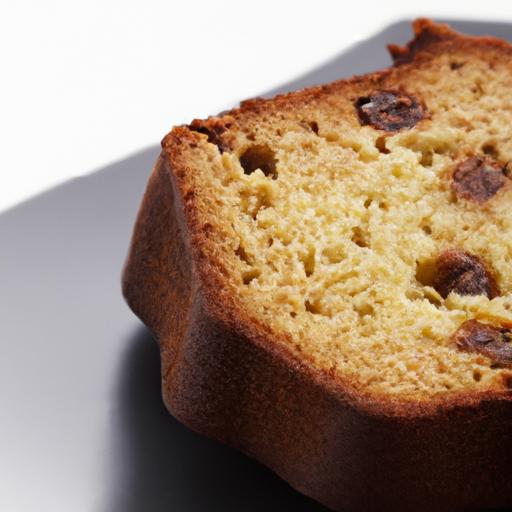

In the world of desserts, where sugary confections and elaborate pastries often steal the spotlight, the humble olive oil cake quietly shines as a testament to the beauty of simplicity and natural flavor. This unassuming cake, infused with the rich, fruity essence of olive oil, offers a unique twist on traditional sweets-a moist, tender crumb that sings with Mediterranean sunshine in every bite. Far from just a health-conscious alternative, olive oil cake is a celebration of wholesome ingredients and effortless elegance, inviting bakers and food lovers alike to rediscover dessert with a fresh, vibrant palate. Join us as we explore the charm of this simple yet richly flavored cake and uncover why it deserves a place on every dessert table.
Olive Oil Cake: A Simple Dessert with Rich, Natural Flavor
Olive oil cake is a beloved treat that masterfully combines simplicity with sophistication, delivering moist, tender crumb infused with the delicate yet deeply aromatic essence of high-quality olive oil. Originating from Mediterranean kitchens, this cake exemplifies how an everyday pantry staple can elevate a dessert to extraordinary heights, creating a naturally flavorful experience that celebrates both texture and taste.
Prep and Cook Time
- Preparation: 15 minutes
- Cooking: 45 minutes
- Total Time: 1 hour
Yield
Serves 8-10 generous slices
Difficulty Level
Easy – perfect for bakers of all skill levels
Ingredients
- 1 ½ cups all-purpose flour, sifted
- 1 tsp baking powder
- ½ tsp baking soda
- ¼ tsp fine sea salt
- ¾ cup granulated sugar
- 3 large eggs, at room temperature
- ½ cup Greek yogurt (plain, full fat)
- ½ cup high-quality extra virgin olive oil
- 1 tsp pure vanilla extract
- Zest of 1 large lemon, finely grated
- 2 tbsp freshly squeezed lemon juice
Instructions
- Preheat the oven to 350°F (175°C). Lightly grease and flour an 8-inch round cake pan to ensure an easy release.
- In a medium bowl, whisk together the sifted flour, baking powder, baking soda, and salt. Set aside for later.
- In a large bowl, beat the eggs and sugar using a hand or stand mixer on medium speed until pale, fluffy, and slightly thickened – about 3-4 minutes.
- Lower the mixer speed and slowly drizzle in the olive oil in a thin steady stream, allowing it to fully incorporate before adding more; this keeps the batter emulsified and smooth.
- Fold in the yogurt, vanilla extract, lemon zest, and lemon juice until homogenous. This combination adds moisture, brightness, and a lovely tang.
- Gradually add the dry ingredients to the wet mixture, folding gently with a spatula just until combined. Avoid overmixing to ensure the cake remains tender.
- Pour the batter evenly into the prepared pan and smooth the top with a spatula.
- Bake for 40-45 minutes or until a toothpick inserted into the center comes out clean or with just a few moist crumbs attached.
- Cool the cake in the pan for 15 minutes before transferring it to a wire rack to cool completely; this prevents sogginess and keeps the crumb perfect.
Tips for Success
- Choose the right olive oil: For ultimate aroma, opt for a fruity, slightly peppery extra virgin olive oil. Avoid mild or neutral types as they can dull the flavor complexity.
- Room temperature ingredients: Ensure eggs and yogurt are at room temperature to help the batter emulsify smoothly and bake evenly.
- Don’t overmix: Gently folding dry ingredients into the wet prevents gluten development, resulting in a delicate crumb.
- Make ahead: This cake tastes better the next day when the flavors meld; store wrapped tightly at room temperature.
- Flavor variations: Swap lemon zest for orange or add a teaspoon of ground cinnamon or cardamom for subtle warmth.
Creative Serving Suggestions to Elevate Your Olive Oil Cake
Transform this simple olive oil cake into an elegant dessert centerpiece by adding fresh garnishes. Dust the top lightly with powdered sugar for a classic look or drizzle with a homemade citrus glaze crafted by mixing powdered sugar and lemon juice for added zing.
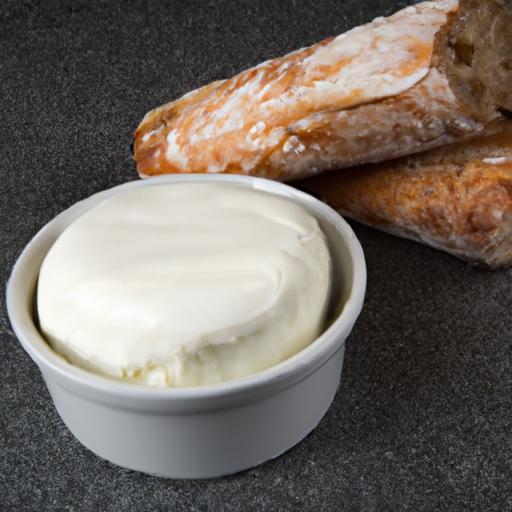
Serve slices adorned with a dollop of crème fraîche or mascarpone, accompanied by vibrant seasonal berries like raspberries, blueberries, or fig slices to contrast the cake’s richness.
For a festive touch, sprinkle toasted pistachios or slivered almonds across the top, adding delightful crunch and visual appeal.
As the perfect light finish to any meal, pair your olive oil cake with a cup of fragrant chamomile tea or a glass of dessert wine like Moscato d’Asti, complementing the cake’s natural fruitiness and floral notes.
| Nutrient | Per Serving |
|---|---|
| Calories | 320 kcal |
| Protein | 5 g |
| Carbohydrates | 38 g |
| Fat | 15 g |

Discover more about how to master baking with olive oil on our comprehensive guide. For scientific insights on why olive oil enhances baked goods, visit this research article from a trusted nutrition journal.
Q&A
Q&A: Olive Oil Cake – A Simple Dessert with Rich, Natural Flavor
Q1: What makes olive oil cake different from other cakes?
A1: Unlike traditional butter-based cakes, olive oil cake uses olive oil as its fat, which imparts a moist texture and a subtly fruity, peppery flavor. This not only enriches the cake’s taste but also adds a natural, earthy dimension that butter simply can’t replicate.
Q2: Is olive oil cake healthy?
A2: While it’s still a dessert and best enjoyed in moderation, olive oil cake benefits from the healthy fats found in olive oil. These monounsaturated fats are heart-friendly, and frequently substituting butter with olive oil reduces saturated fat content, making the cake a slightly lighter indulgence.
Q3: Can any type of olive oil be used in the cake?
A3: For the best flavor, use a high-quality extra virgin olive oil. Its vibrant, fruity notes will shine through the cake, complementing citrus zest or herbs if included. Avoid light or pure olive oils, as they tend to be more refined and less flavorful, which can make the cake bland.
Q4: How do you achieve the perfect texture in olive oil cake?
A4: The key is balance and gentle mixing. Overworking the batter can lead to a dense crumb. Using the right ratio of wet to dry ingredients and folding in flour carefully ensures a tender, airy slice. Also, tomatoes sometimes add a luscious moisture, but that’s optional!
Q5: What flavors pair well with olive oil cake?
A5: Olive oil cake is wonderfully versatile. Classic pairings include lemon zest, orange zest, rosemary, or thyme. A drizzle of honey or a dollop of whipped cream complements the natural richness. For a decadent twist, consider dipping slices in a light glaze or spreading with mascarpone.
Q6: Is olive oil cake appropriate for special occasions?
A6: Absolutely! Olive oil cake’s elegant simplicity makes it a refined choice for dinner parties or festive gatherings. It’s visually understated but bursting with complex flavor, often sparking surprise and delight among guests who expect a more conventional dessert.
Q7: Can olive oil cake be made gluten-free?
A7: Yes! Using a gluten-free flour blend can easily transform this dessert without sacrificing taste or texture. Just be mindful to choose a blend with xanthan gum or similar binders to mimic the structural support gluten provides.
Q8: What is the history behind olive oil cake?
A8: Olive oil cake has Mediterranean roots, where olive oil has long been a staple. Traditionally made in Italy, Greece, and Spain, these cakes embody regional flavor profiles and a philosophy of simple, wholesome ingredients. It’s a celebration of olive oil’s versatility beyond savory dishes.
Q9: How should olive oil cake be stored?
A9: To keep it fresh and moist, store olive oil cake wrapped in plastic wrap or in an airtight container at room temperature for up to three days. For longer storage, refrigerate for up to a week or freeze for up to three months, thawing gently before serving.
Q10: What tips do bakers offer for beginners?
A10: Start with a trusted recipe and use fresh, quality ingredients. Pay attention to olive oil flavor and don’t be afraid to experiment with citrus or herbs. Remember, the cake is forgiving-its natural moistness means minor mishaps often still result in a tasty treat. Most importantly, savor the process and the unique flavor you create!
Key Takeaways
In the world of desserts, olive oil cake stands out as a beautiful paradox-simple in its ingredients, yet rich and layered in its natural flavor. This humble cake invites us to appreciate the subtlety of good olive oil, transforming everyday baking into an elegant celebration of nature’s bounty. Whether enjoyed warm with a dusting of powdered sugar or paired with fresh fruit and a dollop of cream, olive oil cake reminds us that sometimes the most straightforward recipes yield the most unforgettable tastes. So next time you crave a dessert that’s both wholesome and indulgent, remember: a slice of olive oil cake is not just a treat, but a gentle nod to tradition, taste, and timeless simplicity.