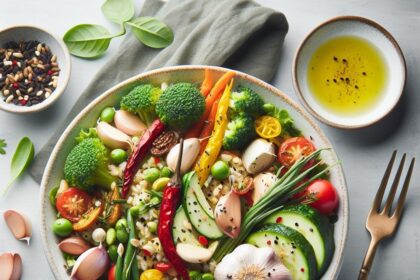

Step into the vibrant world of herbs, where each leaf holds a secret waiting to be unlocked. Among them, fresh oregano stands as a culinary gem-bold, aromatic, and bursting with Mediterranean flair. Whether sprinkled over sizzling pizzas, stirred into rustic tomato sauces, or infused in savory marinades, fresh oregano elevates dishes from ordinary to extraordinary. In this article, we’ll master the art of cooking with this fragrant herb, revealing tips and techniques to unlock its full flavor potential and transform your kitchen creations into unforgettable feasts. Get ready to awaken your senses and let fresh oregano become your new favorite flavor companion.
Unlock Flavor: Master the Art of Cooking with Fresh Oregano invites you to discover the secret aromatic depth that fresh oregano brings to your culinary creations. This vibrant herb, often overlooked, bursts with piney, peppery notes that transform simple dishes into sensational experiences. Whether you’re seasoning Mediterranean favorites or adding nuance to everyday meals, learning to select, store, and infuse fresh oregano’s essence will elevate your cooking to new heights.
Selecting and Storing Fresh Oregano for Maximum Flavor
When choosing fresh oregano, seek out bright green leaves without yellowing or wilting – these indicators promise optimal potency. The aroma should be vivid and slightly minty as you gently crush a leaf between your fingers. Opt for organic bundles when possible, to avoid pesticides that can dull natural flavors.
For storing, wrap oregano loosely in a slightly damp paper towel and place it inside a perforated plastic bag in your refrigerator’s crisper drawer. This method keeps the leaves fresh and aromatic for up to 10 days. Alternatively, you can stand the stems upright in a glass of water on your kitchen counter, covered loosely with a plastic bag, changing the water every couple of days to retain vibrancy.
Techniques to Infuse Oregano’s Essence into Every Dish
Mastering the art of unlocking oregano’s flavor involves understanding when and how to add it during cooking. Because it releases its oils quickly, it’s best added in stages:
- Early Addition: Incorporate whole sprigs at the beginning of soups, stews, or sauces to seep subtle herbal undertones.
- Mid-Cook: Remove woody stems midway and chop leaves finely to layer fresh bursts of flavor.
- Finishing Touch: Sprinkle freshly chopped oregano over finished dishes for an aromatic lift and a bright visual accent.
For an extra fragrant impact, lightly bruise leaves before adding to release the essential oils instantly. Making an infused oregano oil or butter also offers a versatile way to inject herby notes into salads, grilled veggies, or bread.
Pairing Fresh Oregano with Ingredients to Elevate Your Recipes
Fresh oregano harmonizes splendidly with:
- Olive Oil & Garlic: The quintessential Mediterranean trio that wakes up grilled meats, roasted potatoes, or homemade pizzas.
- Tomatoes & Lemon: Bright acidity balanced by oregano’s earthy warmth perfects bruschetta, fresh salsas, or vibrant salad dressings.
- Cheese & Yogurt: Creamy textures like feta, mozzarella, or Greek yogurt marry beautifully with oregano’s aromatic bite.
Don’t hesitate to experiment by folding oregano into herb blends featuring thyme, rosemary, or basil for complex layers of scent and flavor. The fresh herb’s versatility allows it to shine equally in rustic, robust foods and fresh, light preparations.
Prep and Cook Time
Prep Time: 10 minutes
Cook Time: Varies by recipe, typically 20-30 minutes
Total Time: Approximately 30-40 minutes
Yield
Serves 4-6, depending on the dish
Difficulty Level
Easy to Medium – adaptable to beginner cooks eager to explore fresh herbs
Ingredients
- 1 cup fresh oregano leaves, washed and finely chopped
- 2 tablespoons extra virgin olive oil
- 3 cloves garlic, minced
- 1 medium ripe tomato, diced
- Juice of 1 lemon
- 1 teaspoon sea salt
- Freshly ground black pepper, to taste
- Optional garnish: crumbled feta cheese, toasted pine nuts
Instructions
- Prepare the oregano: Remove leaves from woody stems. Finely chop the leaves, bruising gently to release oils.
- Heat olive oil in a skillet over medium heat. Add minced garlic and sauté until golden brown, about 2 minutes, stirring to avoid burning.
- Add diced tomato and cook for 5 minutes, until softened and fragrant.
- Stir in chopped oregano and cook for another 2 minutes, allowing its aroma to permeate the mixture.
- Season with lemon juice, sea salt, and black pepper. Adjust flavors to your taste preference.
- Remove from heat and transfer to a serving dish. Garnish with crumbled feta and toasted pine nuts if desired.
- Serve warm as a topping for grilled chicken, fish, or as a vibrant side relish with crusty bread.
Chef’s Notes & Tips for Success
- For long-term use: Freeze chopped oregano in ice cube trays with olive oil to preserve its fresh flavor year-round.
- Substitution: While dried oregano is more potent, adjust quantities carefully; use one-third of the amount when fresh is unavailable.
- Flavor layering: Add fresh oregano at the end of slow-cooked dishes to restore brightness lost during lengthy simmering.
- Make-ahead: This oregano-infused topping can be prepared a day in advance; refrigerate and warm gently before serving.
- Enhance aroma: Combine fresh oregano with fresh mint or basil leaves for a uniquely fragrant herb medley.
Serving Suggestions
Enhance your meal presentation by spooning oregano-herb mixture over grilled flatbreads or roasted vegetables. Try pairing with rustic goat cheese and a drizzle of balsamic glaze for an elegant appetizer. For a fresh salad, toss oregano into cucumber and tomato slices with a splash of extra virgin olive oil and cracked black pepper-it’s a simple dish bursting with Mediterranean charm.

| Nutrient | Per Serving |
|---|---|
| Calories | 110 kcal |
| Protein | 2 g |
| Carbohydrates | 6 g |
| Fat | 9 g |
For more on harnessing Mediterranean herbs and their benefits, visit Medical News Today. Explore further inspiration by reading our detailed Mediterranean Herbs Cooking Guide to deepen your culinary skills and master additional fragrant seasonings.
Q&A
Q&A: Unlock Flavor – Master the Art of Cooking with Fresh Oregano
Q1: What makes fresh oregano a superstar herb in the kitchen?
A1: Fresh oregano bursts with vibrant, peppery notes and a hint of minty warmth that dried oregano simply can’t match. Its intoxicating aroma and lively flavor can elevate any dish from ordinary to extraordinary, making it a must-have for flavor adventurers.
Q2: How can I tell if fresh oregano is of good quality?
A2: Look for bright green leaves that are firm and fragrant. Avoid oregano that looks wilted, yellowed, or dull, as it has likely lost its punch. A good sniff test should reveal a fresh, pungent scent that instantly teasers your taste buds.
Q3: What are the best ways to use fresh oregano in cooking?
A3: Fresh oregano shines in Mediterranean dishes-think grilled meats, tomato sauces, and roasted vegetables. Use chopped oregano leaves as a finishing touch or gently bruise the leaves to release more flavor in marinades and dressings. It’s perfect for adding brightness without overpowering.
Q4: Can you use fresh oregano the same way as dried oregano?
A4: Not quite! Fresh oregano is milder and more delicate, so it’s best added toward the end of cooking to preserve its essence. Dried oregano is more concentrated, so you’ll need less and usually add it earlier to allow the flavors to develop fully.
Q5: Are there any surprising pairings with fresh oregano?
A5: Absolutely! Pair oregano with sweet ingredients like honey or figs to create a balance of flavors. It also plays beautifully with citrus zest, garlic, and cheeses like feta or Parmesan, opening doors to creative, flavor-packed dishes.
Q6: How should I store fresh oregano to keep it flavorful longer?
A6: Treat fresh oregano like a delicate flower-wrap the stems in a damp paper towel, place in a plastic bag or airtight container, and store it in the refrigerator. Alternatively, keep the stems in a glass of water on your countertop, loosely covered. Use it within a week for peak flavor.
Q7: Can beginners easily incorporate fresh oregano into their cooking?
A7: Definitely! Fresh oregano is a versatile, forgiving herb that enhances flavors without overwhelming them. Try adding it to simple tomato sauces, homemade salad dressings, or sprinkle it over roasted potatoes. It’s an exciting, easy way to experiment and unlock new depths in your cooking.
Use this Q&A as your flavor compass, and watch fresh oregano become your kitchen’s aromatic ally. Ready to unlock its secrets? Let your culinary journey begin!
To Conclude
In the vibrant world of cooking, fresh oregano emerges as a verdant key-unlocking layers of flavor that transform everyday dishes into memorable culinary experiences. By mastering the art of cooking with this aromatic herb, you invite a lively dance of earthiness, sweetness, and a hint of mint into your kitchen repertoire. So next time you reach for that small, fragrant sprig, remember: you’re not just adding an ingredient-you’re unlocking a treasure chest of taste that invites creativity and celebration in every bite. Embrace fresh oregano, and let your flavors flourish like never before.