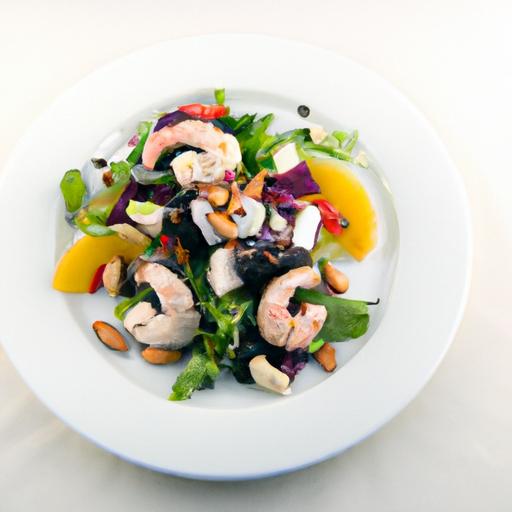

There’s a world beneath the waves teeming with vibrant flavors and nutrient-packed treasures, waiting to be explored on your plate. “Dive Into Health: Crafting the Perfect Nutritious Seafood Meal” invites you to embark on a culinary adventure where ocean-fresh ingredients meet healthful wisdom. From omega-rich fatty fish to succulent shellfish, seafood offers a delicious pathway to nourishment that fuels the body and delights the senses. In this article, we’ll navigate the essentials of selecting, preparing, and pairing seafood to create meals that are as wholesome as they are mouthwatering – proving that eating healthy can be one delicious dive after another.
Selecting Fresh and Sustainable Seafood for Maximum Nutritional Benefits
Dive Into Health crafting the perfect nutritious seafood meal starts with choosing the freshest and most sustainable seafood. Seek out firm flesh that bounces back when pressed, clear eyes, and a fresh, mild scent reminiscent of the ocean. Opt for local, seasonal catches or certified sustainable options such as those labeled by the Marine Stewardship Council (MSC). This ensures you receive seafood rich in omega-3 fatty acids, essential vitamins, and minerals, while supporting responsible fishing practices that protect marine ecosystems for future generations.
Balancing Flavors and Nutrients with Complementary Ingredients
Pairing your seafood with vibrant, nutrient-dense sides not only elevates the taste but also boosts the meal’s overall health profile. Bright citrus fruits like lemons and limes enhance natural flavors and add vitamin C, which aids iron absorption. Incorporate leafy greens, root vegetables, and whole grains to create a harmonious balance of textures and essential nutrients. Aromatic herbs such as dill, parsley, or basil add freshness, while nuts and seeds contribute healthy fats and a satisfying crunch.
Cooking Techniques That Preserve Vital Nutrients and Enhance Taste
To preserve nutrients and maximize flavor, embrace gentle cooking methods such as steaming, poaching, or grilling. These techniques maintain moisture and avoid the introduction of unhealthy fats. For example, steaming delicate fish seals in omega-3s and B vitamins, while grilling over charcoal infuses a smoky aroma without excessive oil. Quick sautéing with heart-healthy olive oil is also excellent; just be mindful of temperature to avoid nutrient degradation. Remember, less is more when it comes to seasoning-simple salt, freshly cracked pepper, and a squeeze of citrus allow the seafood’s natural goodness to shine.
Smart Pairings and Side Dishes to Elevate Your Seafood Feast
Complement the star seafood ingredient with sides that promote a balanced and satisfying meal. Consider a quinoa and herb salad tossed with cherry tomatoes and toasted pine nuts, delivering protein and texture contrasts. Roasted seasonal vegetables like asparagus or sweet potatoes bring earthy sweetness and fiber. For an elegant touch, a dollop of avocado-lime crema adds creaminess and heart-healthy fats. Freshly baked whole-grain bread or cauliflower rice can round out the plate with wholesome carbohydrates. These thoughtful pairings amplify flavor complexity while keeping your dish nutrient-rich and visually stunning.
Prep and Cook Time
- Preparation: 15 minutes
- Cooking: 20 minutes
- Total Time: 35 minutes
Yield
Serves 4
Difficulty Level
Medium
Ingredients
- 4 fresh wild-caught salmon fillets (6 oz each), skin on
- 1 tbsp extra virgin olive oil
- 2 cloves garlic, minced
- 1 tsp smoked paprika
- 1 lemon, zested and juiced
- 1/4 cup chopped fresh dill
- 1 cup quinoa, rinsed
- 2 cups low-sodium vegetable broth
- 1 cup cherry tomatoes, halved
- 1 cup chopped kale leaves, stems removed
- 1/4 cup toasted pine nuts
- 1 avocado, peeled and pitted
- 2 tbsp plain Greek yogurt
- 1 tbsp lime juice
- Salt and freshly cracked black pepper, to taste
Instructions
- Prepare quinoa: In a medium saucepan, bring vegetable broth to a boil. Add quinoa, reduce heat to low, cover, and simmer for 15 minutes or until liquid is absorbed. Fluff with a fork and set aside.
- Make avocado-lime crema: In a blender or food processor, combine avocado, Greek yogurt, lime juice, and a pinch of salt. Blend until smooth and creamy. Refrigerate until serving.
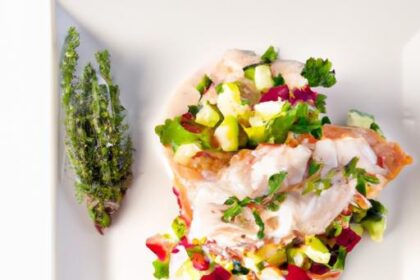
- Cook salmon: Heat olive oil in a large non-stick skillet over medium heat. Season salmon fillets with salt, pepper, smoked paprika, and lemon zest. Place skin-side down in the pan and cook for 5-6 minutes, pressing gently to ensure even contact. Flip and cook an additional 3-4 minutes until salmon flakes easily with a fork. Remove from skillet and squeeze lemon juice over top.
- Sauté vegetables: In the same skillet, add garlic and kale; sauté for 3 minutes until kale wilts. Toss in cherry tomatoes, cooking another 2 minutes until just softened. Season lightly with salt and pepper.
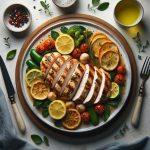
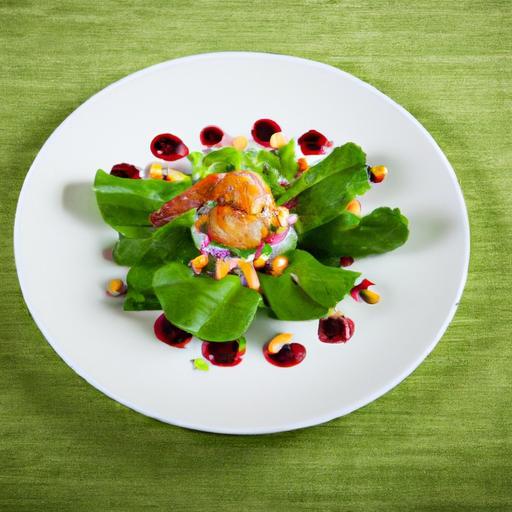
- Assemble dish: Divide quinoa among four plates. Top with sautéed vegetables, salmon fillet, and a generous dollop of avocado-lime crema. Sprinkle toasted pine nuts and fresh dill over the top for an aromatic finish.
Tips for Success
- Substitution: Swap salmon with other sustainable options like cod, halibut, or sea bass for a delicious variation that still provides omega-3 benefits.
- Make-Ahead: Cook quinoa and blend the avocado-lime crema a day in advance for quicker assembly on busy nights.
- Color Pop: Add radish slices or finely diced red bell peppers for extra crunch and color contrast.
- Don’t overcook salmon: Remove from heat as soon as it flakes easily to maintain moist and tender texture.
Serving Suggestions
Serve your nutritious seafood meal with chilled sparkling water infused with fresh cucumber slices for a refreshing sip. Garnish with sprigs of dill and thinly sliced lemon wedges alongside the plate. For an elegant twist, a light drizzle of extra virgin olive oil and a sprinkle of smoked sea salt over the salmon intensifies flavor.
Enjoy this dish immediately to savor the vivid contrasts of texture and taste while nourishing your body with every bite.
| Nutrient | Per Serving |
|---|---|
| Calories | 420 kcal |
| Protein | 35 g |
| Carbohydrates | 30 g |
| Fat | 18 g |
Explore more seafood recipes for healthful living
For comprehensive information on sourcing sustainable seafood, visit the Marine Stewardship Council (MSC) official website.

Q&A
Q&A: Dive Into Health: Crafting the Perfect Nutritious Seafood Meal
Q1: Why should I consider seafood as a vital part of my healthy diet?
A: Seafood is a nutritional powerhouse packed with omega-3 fatty acids, high-quality protein, vitamins, and minerals like iodine and selenium. These nutrients support heart health, brain function, and even glowing skin. Incorporating seafood can elevate your meals from ordinary to extraordinary health boosters.
Q2: What are the key nutrients I should look for when choosing seafood?
A: Look for fatty fish like salmon, mackerel, or sardines rich in omega-3s, which reduce inflammation and support cardiovascular health. Leaner options like cod and tilapia provide ample protein with fewer calories. Also, shellfish like shrimp and oysters add zinc and iron, essential for immunity and energy production.
Q3: How can I ensure the seafood I select is both nutritious and sustainable?
A: Opt for seafood that’s wild-caught or farmed in an eco-friendly way. Look for certifications like MSC (Marine Stewardship Council) or Aquaculture Stewardship Council labels. Sustainable choices not only protect ocean ecosystems but often mean fresher, higher-quality fish with better nutritional profiles.
Q4: What cooking methods best preserve the nutrients in seafood?
A: Gentle cooking techniques like steaming, poaching, or baking help retain delicate omega-3 oils and vitamins. Grilling and sautéing in a heart-healthy oil like olive oil can also add flavor without sacrificing nutrients. Avoid deep-frying, which can add unhealthy fats and diminish seafood’s natural benefits.
Q5: Can I make my seafood meal both nutritious and delicious without spending hours in the kitchen?
A: Absolutely! A simple lemon-herb baked salmon with a side of quinoa and steamed veggies can be on your table in under 30 minutes. Creative marinades, fresh herbs, and vibrant citrus zest can transform straightforward recipes into gourmet experiences packed with nutritional punch.
Q6: How can I balance flavors and nutrition in a seafood dish?
A: Balance is key! Pair rich, fatty fish with bright, acidic ingredients like lemon, lime, or vinegars to cut through the richness while boosting nutrient absorption. Incorporate fibrous vegetables and whole grains to round out the meal with fiber and antioxidants, creating a symphony of taste and wellness.
Q7: What are some creative ways to include seafood in everyday meals?
A: Think beyond just grilled fillets! Toss shrimp into a vibrant summer salad, blend canned tuna into a zesty avocado spread, or mix smoked salmon into scrambled eggs for breakfast. Sushi bowls, seafood tacos, and hearty fish stews are all crowd-pleasers that keep meals exciting and healthful.
Q8: Any tips for those new to cooking seafood?
A: Start simple! Choose firm, mild-flavored fish like cod or tilapia that cook quickly and adapt well to basic seasonings. Use a reliable thermometer for perfect doneness, and remember that seafood cooks fast-overcooking can dry it out. With a few easy recipes, you’ll soon master the art of flavorful, nutritious seafood meals.
To Wrap It Up
As you surface from this deep dive into the world of nutritious seafood, remember that crafting the perfect meal is both an art and a voyage-one where freshness, balance, and a splash of creativity chart the course. Embracing the ocean’s bounty not only enriches your palate but also nourishes your body in ways few other foods can. So next time you set out to create your seafood masterpiece, let health and flavor be your compass, guiding you to a meal that is as wholesome as it is delicious. Dive in, savor the benefits, and make every bite a celebration of wellness from the sea.