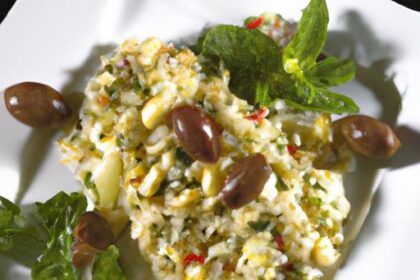

Bright, tangy, and bursting with a unique citrusy zing, sumac has long been the secret ingredient that elevates dishes from ordinary to unforgettable. But what happens when your pantry runs dry, or sumac is nowhere to be found at your local market? Fear not, culinary adventurers! In this flavorful journey, we’ll explore a vibrant world of zesty swaps – discovering the best sumac substitutes that bring the same punch of tartness and complexity to your meals. Whether you’re whipping up a Middle Eastern feast or simply craving that signature tang, this guide will ensure your dishes never lose their spirited spark. Let’s dive into the art of flavor substitution and awaken your taste buds with the perfect sumac stand-ins!
Zesty Swaps: Discovering the Best Sumac Substitutes
Exploring the unique flavor profile of sumac opens up a world of tangy, citrusy brightness-a staple in Middle Eastern cuisine that lends dishes a zesty pop. When sumac isn’t on hand, turning to natural alternatives can capture this essence beautifully, ensuring your recipes never lose their signature zing. From lemon zest to tart fruit powders, these ingredients offer exciting twists that balance acidity and color, elevating your culinary creations with freshness and vibrancy.
Prep and Cook Time
- Prep Time: 10 minutes
- Cook Time: 5 minutes
- Total Time: 15 minutes
Yield
Serves 4
Difficulty Level
Easy
Ingredients
- 1 tablespoon ground sumac substitute mix: ½ teaspoon lemon zest, ¼ teaspoon dried hibiscus powder, ¼ teaspoon ground coriander
- 2 teaspoons dried lemon peel, crushed
- ½ teaspoon ground sumac for comparison (optional)
- 2 tablespoons olive oil
- 1 clove garlic, minced
- Salt, to taste
- Fresh parsley, finely chopped, for garnish
Instructions
- Prepare the sumac substitute mix by combining lemon zest, dried hibiscus powder, and ground coriander in a small bowl. This blend mimics sumac’s tartness and adds subtle floral notes.
- Warm olive oil in a skillet over medium heat. Add minced garlic and sauté for 1 minute until fragrant, careful not to brown it.
- Sprinkle the dried lemon peel and sumac substitute mix into the skillet with garlic. Stir continuously for about 2-3 minutes, allowing the flavors to infuse in the oil and release their bright aroma.
- Season with salt to enhance the tanginess, and remove the pan from heat. If using, sprinkle a pinch of ground sumac for authentic flavor enhancement.
- Drizzle this fragrant oil blend over grilled vegetables, roasted chicken, or sprinkle on hummus for that classic Middle Eastern zest.
Chef’s Notes
- For a more vivid color and intensified tartness, introduce powdered freeze-dried cranberries or sumac fruit powder, which you can find in specialty stores.
- If lemon zest isn’t available, substitute the citrus zing with dried tamarind powder, but adjust quantity as it is more potent.
- Store your sumac substitute mix in an airtight jar away from light to preserve its zingy freshness for up to three weeks.
- Try making a larger batch of the mixture to save time and add it to dressings, marinades, or sprinkled directly over salads and rice.
Serving Suggestions
Present dishes enhanced with this sumac substitute by garnishing with a sprinkle of finely chopped parsley and a wedge of lemon on the side for an extra citrus burst. This blend pairs wonderfully with grilled meats, vibrant fattoush salads, or simple roasted roots. For colorful visual appeal, scatter edible flower petals or a pinch of bright paprika alongside your dish to complement its warm hues.
| Nutrition (per serving) | Amount |
|---|---|
| Calories | 65 |
| Protein | 0.2 g |
| Carbohydrates | 3.5 g |
| Fat | 5.8 g |
Discover more about Middle Eastern spices substitutes and elevate your pantry versatility. For further reading on sumac and its unique chemistry, see this scientific overview from the National Institutes of Health.

Q&A
Q&A: Zesty Swaps – Discovering the Best Sumac Substitutes
Q1: What exactly is sumac, and why is it so special in cooking?
A: Sumac is a vibrant, tangy spice made from the dried and ground berries of the sumac shrub. Its bright red color and lemony flavor make it a zesty superstar in Middle Eastern and Mediterranean dishes. It adds a fresh, citrusy tang without the acidity of lemon juice, giving dishes a unique and complex zing.
Q2: Why would someone want to find a sumac substitute?
A: Sumac isn’t always easy to find in local grocery stores, especially outside of Middle Eastern regions. Plus, some cooks might need an alternative due to allergies, preferences, or simply wanting to experiment with different flavor profiles. That’s where creative swaps come into play!
Q3: What are the top natural substitutes for sumac?
A: The best natural stand-ins bring a tart, slightly fruity note similar to sumac’s signature sourness. Try these:
- Lemon zest and a pinch of salt: Combines citrus brightness with a subtle savory element.
- Tamarind powder: Offers tanginess with a hint of sweetness.
- Vinegar (especially red wine or apple cider): A splash provides acidity but be careful-too much can overpower.
- Amchur (dried mango powder): Fruity and tangy, perfect for a sumac-like punch.
Q4: Can paprika or chili powder work as substitutes?
A: While paprika and chili powder can add color and a hint of warmth, they lack sumac’s citrusy tartness. Use them alongside lemon zest if you want that vibrant hue with some smoky or spicy undertones, but they won’t replace sumac’s tang.
Q5: How can I preserve the bright red color sumac brings to dishes?
A: Sumac’s rich crimson hue adds visual flair. For color without sumac, try adding a touch of pomegranate molasses or sprinkle a dash of ground beet powder to maintain that appetizing pop.
Q6: Are there any creative modern twists on using sumac substitutes?
A: Absolutely! Mix lemon zest with a bit of smoked sea salt to evoke sumac’s complexity while adding an umami edge. Another vibrant option is to blend dried hibiscus powder with a pinch of salt for a floral, tangy zing reminiscent of sumac’s character.
Q7: How do I know which substitute suits a recipe best?
A: Consider the dish’s flavor balance. For fresh salads or dips, lemon zest plus salt keeps it light and citrusy. For stews or grilled meats, tamarind or amchur add depth with a fruity tang. Always start small-these substitutes can be potent!
By mastering these zesty swaps, you can unlock new layers of flavor even when sumac’s out of reach. Embrace the tang, the color, and the savory sparkle with your own creative twist!
Wrapping Up
As you embark on your culinary adventures, remember that while sumac brings its unique tangy brilliance to the table, the world of spices offers a vibrant palette of zesty substitutes ready to brighten your dishes. Whether you reach for tart lemon zest, robust vinegar, or the earthy notes of sumac’s cousins like tamarind and hibiscus, each alternative carries its own story and flavor twist. Embrace these swaps not just as replacements, but as opportunities to experiment and redefine your recipes, turning every meal into a new adventure in taste. So go ahead-sprinkle, squeeze, and savor your way through the zestful symphony of sumac’s best substitutes!