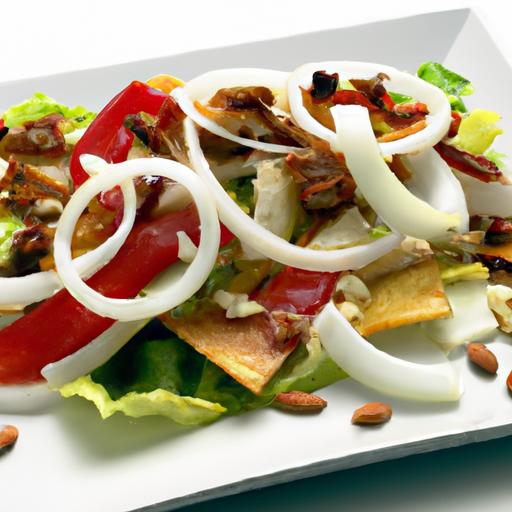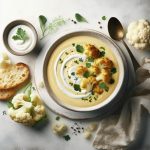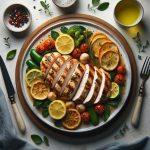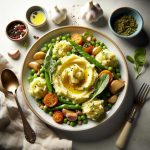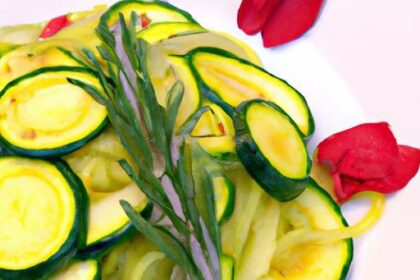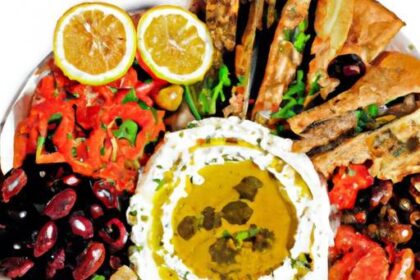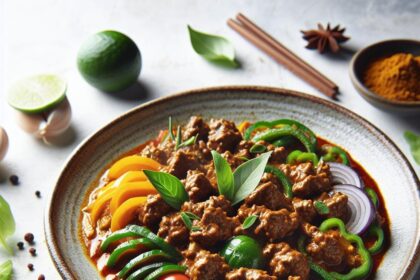

Beneath the sun-drenched skies of the Mediterranean, a culinary symphony unfolds-one where vibrant flavors and timeless traditions dance in harmonious balance. The secret to this enduring allure lies not just in the recipes passed down through generations, but in the very ingredients that make this region’s cuisine a global treasure. From the earthy richness of olives to the zesty burst of citrus, Mediterranean ingredients offer a versatility that transcends borders and meal times. In this exploration of “Mediterranean Marvels: Most Versatile Ingredients Unveiled,” we delve into the pantry staples that inspire chefs and home cooks alike, revealing the stories, flavors, and endless possibilities simmering within each humble marvel. Whether drizzled, sprinkled, or sautéed, these ingredients invite us to savor the essence of a region where food is more than sustenance-it’s a celebration of life.
Mediterranean Pantry Essentials: Unlocking Flavor and Nutrition
Mediterranean Marvels: Most Versatile Ingredients Unveiled begin with the treasures tucked away in every kitchen inspired by the sun-kissed Mediterranean basin. These staples-brimming with antioxidants, healthy fats, and vibrant aromas-transform everyday meals into nourishing celebrations of flavor and wellness. From the rich earthiness of extra virgin olive oil to the briny punch of capers and the nutty warmth of whole wheat couscous, each element tells a story of tradition and vitality.
Prep and Cook Time
- Preparation: 15 minutes
- Cooking: 20 minutes
- Total Time: 35 minutes
Yield
Serves 4
Difficulty Level
Easy
Ingredients
- 1/4 cup extra virgin olive oil, for sautéing
- 1 medium red onion, finely chopped
- 3 cloves garlic, minced
- 1 cup whole wheat couscous
- 1 1/4 cups vegetable broth or water
- 1/2 cup kalamata olives, pitted and halved
- 2 tablespoons capers, drained
- 1 cup cherry tomatoes, halved
- 1/2 cup fresh parsley, chopped
- Juice of 1 lemon
- Salt and freshly ground black pepper, to taste
- 1/4 teaspoon crushed red pepper flakes (optional)
Instructions
- Heat the olive oil in a medium saucepan over medium heat. Add the chopped red onion and sauté until translucent and fragrant, about 5 minutes, stirring occasionally to avoid burning.
- Add the minced garlic and cook until golden, about 1 minute.
- Pour in the vegetable broth and bring it to a gentle boil. Stir in the whole wheat couscous, cover with a tight-fitting lid, and remove from heat. Let it sit for 10 minutes to absorb the liquid.
- Fluff the couscous with a fork, then gently fold in the kalamata olives, capers, cherry tomatoes, parsley, and lemon juice.
- Season with salt, black pepper, and crushed red pepper flakes if using. Toss well to marry the flavors. Taste and adjust seasoning as needed.
- Transfer to a serving bowl, drizzle with a little more olive oil if desired, and garnish with a sprig of fresh parsley or lemon zest for a bright finish.
Chef’s Notes
- For a protein boost, add grilled shrimp or chickpeas folded in just before serving.
- Substitute couscous with quinoa or bulgur for alternative textures and nutritional profiles.
- To enhance freshness, prepare this dish 30 minutes ahead, allowing flavors to meld intimately.
- Store any leftovers sealed in the refrigerator for up to 2 days; serve chilled or gently warmed.
- Use capers packed in sea salt if you want to control salt levels better; rinse thoroughly before adding.
Serving Suggestions
This dish is a vibrant side or light main course that pairs beautifully with grilled lamb or roasted vegetables. For an inviting Mediterranean mezze, serve alongside creamy hummus and warm pita bread. Garnish generously with crumbled feta, a drizzle of olive oil, and a sprinkle of toasted pine nuts to heighten the rustic elegance.
| Nutrient | Per Serving |
|---|---|
| Calories | 320 kcal |
| Protein | 7 g |
| Carbohydrates | 38 g |
| Fat | 14 g |

Unlock further inspiration by exploring the transformative potential of Mediterranean ingredients in our comprehensive guide to Mediterranean herbs and spices. For scientific insights into the health benefits of extra virgin olive oil, visit American Heart Association.
Q&A
Q: What makes Mediterranean cuisine so celebrated around the world?
A: Mediterranean cuisine is celebrated for its vibrant flavors, fresh ingredients, and health benefits. It combines simplicity with creativity, focusing on wholesome, natural foods that nourish both body and soul. The region’s bountiful produce and rich culinary traditions have given rise to dishes that are as versatile as they are delicious.
Q: Which ingredients are considered the true stars of Mediterranean cooking?
A: Olive oil, garlic, tomatoes, herbs like oregano and basil, chickpeas, and lemons are some of the quintessential Mediterranean marvels. Each ingredient serves multiple roles, adding depth, freshness, and boldness to a diverse array of dishes, from hearty stews to refreshing salads.
Q: How does olive oil stand out as a versatile ingredient?
A: Olive oil is the liquid gold of the Mediterranean. It’s used for drizzling, sautéing, grilling, and even baking. Beyond adding a rich, fruity flavor, it acts as a healthy fat that enhances nutrient absorption and lends a luxurious texture to dishes both savory and sweet.
Q: Can you explain why garlic is so indispensable?
A: Garlic is the aromatic powerhouse that infuses Mediterranean dishes with warmth and character. Whether minced into sauces, roasted for sweetness, or infused into oils, garlic’s adaptability makes it essential for building depth and complexity in flavors.
Q: In what ways do tomatoes contribute to Mediterranean versatility?
A: Tomatoes are the vibrant heart of Mediterranean cuisine. Fresh or dried, they’re featured in salads, stews, and sauces or transformed into sun-dried gems. Their sweet acidity brightens dishes and balances richer ingredients, making them incredibly multifunctional.
Q: How do herbs enhance Mediterranean dishes?
A: Mediterranean herbs like oregano, thyme, and rosemary bring a fragrant freshness that can transform even the simplest dish into a sensory experience. They’re used fresh, dried, or infused, lending layers of aroma and flavor that adapt beautifully to a cuisine grounded in nature’s bounty.
Q: What role do legumes, especially chickpeas, play in Mediterranean meals?
A: Chickpeas and other legumes provide protein-packed, fiber-rich sustenance that is both nourishing and versatile. From creamy hummus to hearty stews and crisp salads, they adapt to numerous textures and tastes, embodying the Mediterranean approach of wholesome, plant-forward eating.
Q: Why is lemon so much more than just a garnish?
A: Lemon is the zingy elixir that awakens Mediterranean dishes. Its juice brightens flavors, cuts through rich fats, and adds a refreshing finish. The zest contributes aromatic oils that elevate dressings, marinades, and desserts alike.
Q: How can home cooks incorporate these Mediterranean marvels into their daily cooking?
A: Start by embracing the simplicity of quality ingredients. Use olive oil as your cooking base, add minced garlic and fresh herbs to elevate dishes, include tomatoes in salads and sauces, and toss chickpeas in for a nutritious punch. A squeeze of lemon can brighten just about anything. By layering these versatile ingredients thoughtfully, everyday meals transform into Mediterranean-inspired marvels.
Q: What is the key takeaway about Mediterranean ingredients and versatility?
A: The magic of Mediterranean cuisine lies in its ability to transform a handful of humble ingredients into endless culinary adventures. Their interplay of flavor, health benefits, and adaptability makes Mediterranean ingredients timeless treasures in any kitchen.
Closing Remarks
As we close the chapter on this flavorful journey through Mediterranean marvels, it’s clear that the region’s most versatile ingredients are more than just pantry staples-they are the vibrant heartbeat of a cuisine steeped in history, culture, and health. From the sun-kissed olives that bring a briny twist to any dish, to the golden embrace of olive oil that turns simple meals into culinary celebrations, these ingredients invite us to experiment, savor, and celebrate the Mediterranean way of life. Embracing their diversity not only enriches our plates but also connects us to centuries of tradition and the enduring spirit of Mediterranean kitchens. So next time you cook, let these marvels inspire you to create dishes that are as dynamic and timeless as the region itself.