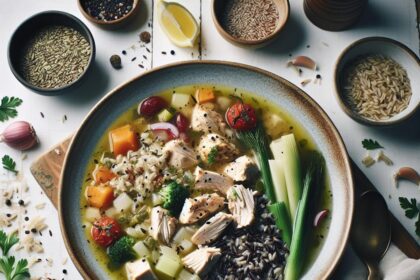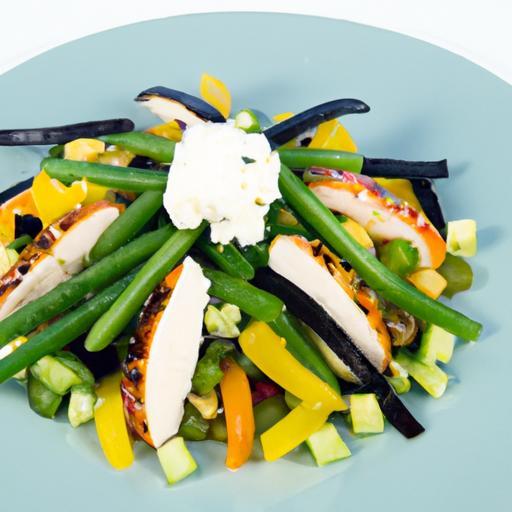

In a world where flavor often dances with salt, the silent power of low-sodium living is waiting to be discovered. Beyond the familiar warnings and bland food myths lies a surprising universe of health benefits that can transform your well-being from the inside out. “Unlocking Health: The Surprising Perks of Low-Sodium Living” invites you to explore how dialing down the salt doesn’t mean dialing down your vitality. Prepare to uncover how a simple shift in seasoning can unlock a cascade of benefits-boosting heart health, enhancing energy, and even sharpening your mind. It’s time to rethink salt, not as a flavor thief, but as a key to unlocking a healthier, more vibrant life.
Unlocking Health: The Surprising Perks of Low-Sodium Living
Unlocking health begins with small yet profound shifts in our daily habits, and one of the most impactful changes is cutting back on sodium. This simple adjustment can elevate heart and kidney wellness while enhancing overall vitality. Today, we’ll explore how a low-sodium lifestyle can transform your well-being and guide you through smart substitutes and flavor boosters that keep your meals exciting and satisfying.
Prep and Cook Time
- Preparation: 15 minutes
- Cooking: 25 minutes
Yield
- Serves 4 hearty portions
Difficulty Level
- Easy
Ingredients
- 1 cup quinoa, rinsed
- 2 cups low-sodium vegetable broth
- 1 medium onion, finely chopped
- 2 cloves garlic, minced
- 1 cup cherry tomatoes, halved
- 1 medium zucchini, diced
- 1 red bell pepper, diced
- 1 tablespoon fresh lemon juice
- 2 tablespoons extra virgin olive oil
- 1 teaspoon smoked paprika
- ½ teaspoon ground cumin
- ¼ cup fresh parsley, chopped
- Freshly ground black pepper, to taste
Instructions
- Rinse the quinoa thoroughly under cold water to remove any bitterness. Drain well.
- In a medium pot, heat 1 tablespoon olive oil over medium heat and sauté the chopped onion and garlic until translucent and fragrant, about 4 minutes.
- Add the diced zucchini and red bell pepper to the pot; sauté for another 5 minutes until just tender.
- Stir in the rinsed quinoa, smoked paprika, and ground cumin, letting the quinoa toast lightly for 1-2 minutes, stirring constantly.
- Pour in the low-sodium vegetable broth. Bring the mixture to a boil, then reduce heat to a simmer, cover, and cook until quinoa is fluffy and liquid is absorbed, approximately 15 minutes.
- Remove from heat and gently fold in the halved cherry tomatoes, lemon juice, remaining olive oil, and chopped parsley.
- Season lightly with freshly ground black pepper. Taste before deciding on any additional seasoning to keep sodium low.
- Allow the flavors to meld for 5 minutes before serving, keeping the dish vibrant and fresh.
Tips for Success
- Boost Umami: Add a splash of low-sodium soy sauce or a sprinkle of nutritional yeast for savory depth without the salt.
- Make Ahead: This quinoa salad holds well in the fridge up to 3 days and tastes even better as flavors fuse.
- Customize Your Veggies: Swap bell pepper or zucchini with seasonal favorites like asparagus or kale for variety and nutrition.
- Prevent Clumping: Fluff the quinoa with a fork to keep it light and airy after cooking.
Serving Suggestions
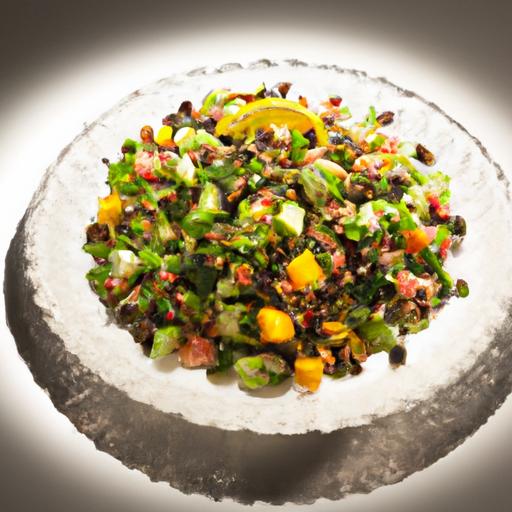
Serve this vibrant quinoa salad warm as a nourishing main or chilled for a refreshing lunch. Garnish with extra parsley sprigs and a wedge of lemon on the side for an invigorating citrus touch. Pair with grilled chicken or roasted salmon for added protein, or enjoy it alone for a wholesome, plant-forward meal. This low-sodium dish’s colorful medley makes it an inviting addition to any table.
| Nutrient | Per Serving |
|---|---|
| Calories | 320 |
| Protein | 8g |
| Carbohydrates | 45g |
| Fat | 9g |
Enhance your experience of cutting back on sodium by embracing unprocessed ingredients and vibrant herbs like parsley and smoked paprika that awaken your palate. This recipe serves as a flavorful gateway, demonstrating how health-conscious choices need not sacrifice taste or excitement in the kitchen.
Discover more heart-healthy recipes like this one in our Low-Sodium Recipe Collection. For additional medical information on the benefits of sodium reduction, visit the American Heart Association.

Q&A
Q&A: Unlocking Health – The Surprising Perks of Low-Sodium Living
Q1: Why is sodium often called the “silent saboteur” of our health?
A1: Sodium hides in many of our favorite foods, quietly nudging up blood pressure and burdening the heart without obvious symptoms. Too much sodium can stealthily increase the risk of hypertension, heart disease, and stroke, making it a hidden health foe.
Q2: What exactly happens to the body when we reduce sodium intake?
A2: When you cut back on sodium, your body begins to balance itself more efficiently. Blood vessels relax, blood pressure drops, and the heart doesn’t have to work as hard. Plus, reduced sodium can curb water retention, helping you feel lighter and more energized.
Q3: Can a low-sodium lifestyle enhance more than just cardiovascular health?
A3: Absolutely! Beyond the heart, lowering sodium helps kidneys work better by reducing their workload. It may also improve bone health by lessening calcium loss in urine. Some studies even suggest a link to better cognitive function, as balanced blood pressure supports brain health.
Q4: Are flavor and enjoyment sacrificed when living low-sodium?
A4: Not at all! Embracing herbs, spices, citrus, and natural flavors can transform your meals into vibrant, savory experiences. Many find that their taste buds “reset” over time, rekindling an appreciation for the subtle nuances of fresh, wholesome foods without the salt overload.
Q5: What are some surprising sources of hidden sodium to watch out for?
A5: Beyond the obvious salty snacks, watch for sodium lurking in bread, canned soups, sauces, processed meats, and even some flavored coffees or teas. Reading labels becomes a superpower in navigating the sodium maze cleverly.
Q6: How quickly can people expect to feel benefits from eating less sodium?
A6: Some improvements can be felt within a few weeks-like better water balance and reduced bloating. Blood pressure benefits may appear in a month or two. Long-term, the cumulative positive effects build a foundation for lasting heart and kidney health.
Q7: What simple daily swaps can help kickstart a low-sodium lifestyle?
A7: Try swapping salty chips for crunchy veggies with hummus, using fresh lemon juice instead of salty dressings, and cooking at home more often to control ingredients. Gradually reducing salt and experimenting with seasoning can make the transition both easy and satisfying.
Q8: Is there a risk of consuming too little sodium?
A8: Sodium is an essential mineral, so balance is key. Extremely low intake is rare and mainly a concern with certain medical conditions or excessive sweating. For most people, reducing to recommended levels (around 1,500-2,300 mg per day) supports health without risk.
Unlocking the perks of low-sodium living means opening a door to better heart health, sharper senses, and a more vibrant life-one flavorful, mindful bite at a time.
Wrapping Up
As we navigate the vibrant landscape of wellness, embracing a low-sodium lifestyle emerges not just as a choice, but as a transformative journey. Unlocking the door to better heart health, enhanced energy, and a clearer mind, reducing sodium intake invites us to rediscover food’s true flavors and our body’s natural balance. So, whether you’re seasoning your meals or selecting snacks, remember: every mindful step toward low-sodium living is a powerful stride toward unlocking a healthier, more vibrant you. The surprising perks await-are you ready to embrace them?