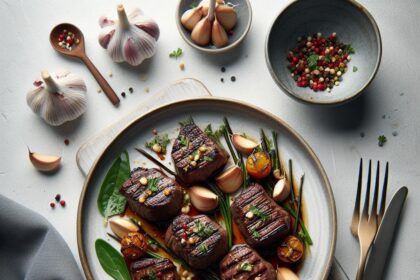

Imagine biting into a keftedes-a beloved Greek meatball bursting with fragrant herbs, spices, and tender, juicy meat-only to be met with dryness that dampens the joyous experience. If you’ve found yourself wondering, “Why are my keftedes dry?” you’re not alone. Achieving that perfect balance of savory, moist, and flavorful can feel elusive, but fear not. In this article, we’ll dive into the secrets of crafting truly juicy Greek meatballs, unraveling common pitfalls and sharing pro tips to help you bring a taste of the Mediterranean straight to your table with every tender, succulent bite. Whether you’re a keftedes novice or a seasoned home cook, get ready to transform your recipe from dry and disappointing to irresistibly delicious.
Why are my keftedes dry? Tips for juicy Greek meatballs start with understanding the delicate balance of ingredients that lock in moisture and flavor. Keftedes, those beloved morsels of Greek comfort food, owe their tenderness to the precise harmony of wet and dry components, expertly mixed and cooked with care. Originating from traditional family kitchens, each recipe carries a personal touch, but certain fundamentals ensure every bite bursts with juiciness and savory richness.
Prep and Cook Time
Preparation: 15 minutes | Cooking: 20 minutes | Total: 35 minutes
Yield
Serves 4-6 people (approximately 24 meatballs)
Difficulty Level
Medium – perfect for home cooks eager to master authentic Greek flavors
Ingredients
- 1 lb ground beef (85% lean for optimal fat content)
- 1/2 lb ground pork (adds richness and moisture)
- 1 cup fresh breadcrumbs (soaked in 1/4 cup whole milk)
- 1 small onion, finely grated or minced
- 2 cloves garlic, minced
- 1/4 cup fresh parsley, chopped
- 1/4 cup fresh mint leaves, chopped
- 2 large eggs
- 1 tsp dried oregano
- Salt and freshly ground black pepper, to taste
- 1/2 tsp ground cinnamon (secret spice for warmth)
- 1/4 cup crumbled feta cheese (optional, for extra moisture and flavor)
- Olive oil (for frying)
Instructions
- Prepare the breadcrumb mixture: Soak the fresh breadcrumbs in whole milk for 5 minutes until fully saturated, then squeeze gently to remove excess milk. This step is essential for moist, tender keftedes.
- Mix meats and aromatics: In a large bowl, combine ground beef, ground pork, grated onion, minced garlic, parsley, mint, and soaked breadcrumbs. Mixing different meats balances fat and flavor, a fundamental tip to avoid dryness.
- Incorporate eggs and spices: Add eggs, oregano, salt, pepper, cinnamon, and crumbled feta cheese if using. Use your hands to gently blend all ingredients until just combined-avoid overmixing, which can toughen the meatballs.
- Shape the meatballs: Wet your hands with cold water and form small 1.5-inch meatballs. Keeping moist hands prevents sticking and creates uniform sizes for even cooking.
- Chill before cooking: Refrigerate the keftedes for at least 20 minutes to help them firm up, making them easier to handle and reducing breakage during cooking.
- Cook with care: Heat a generous layer of olive oil in a large non-stick skillet over medium heat. Fry the meatballs in batches, avoiding overcrowding the pan. Sauté until golden brown on all sides, about 4-5 minutes per batch, turning gently to preserve the crust and juices.
- Finish cooking through: Transfer browned meatballs to a plate lined with paper towels or place them in a preheated oven at 350°F (175°C) for 10 minutes to finish cooking through without drying out.
Tips for Success
- Fat is your friend: Using a combination of ground beef and pork ensures there’s enough fat for juiciness. Lean beef alone often results in dryness.
- Hydrate the crumbs: Soaking breadcrumbs in milk is critical-this moisture melts into the meat as it cooks, keeping keftedes luscious.
- Don’t overmix: Handle the mixture lightly to avoid compacting the protein, which toughens meatballs.
- Rest before cooking: Chilling meatballs helps the flavors meld and firms their shape, preventing breakage when frying.
- Adjust heat carefully: Medium heat strikes the perfect balance between cooking through and developing a flavorful crust without drying them out.
- Experiment with spices: Cinnamon and mint add subtle warmth and freshness-try incorporating ground allspice for variation.
- Make ahead tip: Form keftedes and freeze uncooked meatballs on a tray, then store in a freezer-safe container. Cook directly from frozen, adding a few extra minutes to cooking time.
Serving Suggestions
Keftedes shine when served warm alongside a vibrant creamy tzatziki sauce, a squeeze of fresh lemon, and a simple Greek salad bursting with ripe tomatoes and cucumbers. Garnish with chopped fresh parsley and a drizzle of high-quality extra virgin olive oil. For a heartier meal, plate alongside lemon roasted potatoes or crusty pita bread to soak up the juices.

| Nutrient | Per Serving (4 meatballs) |
|---|---|
| Calories | 320 kcal |
| Protein | 25 g |
| Carbohydrates | 8 g |
| Fat | 20 g |
For further culinary inspiration and other authentic Greek recipes, explore our comprehensive guide on Serious Eats’ Greek meatball secrets.
Q&A
Q: Why do my keftedes always turn out dry?
A: Dry keftedes usually mean the meatballs are missing moisture or fat. Using lean meat, overcooking, or not adding enough binding ingredients like eggs or breadcrumbs can all contribute to dryness. Greek keftedes rely on a balance of juicy, flavorful meat and moist ingredients.
Q: How can I make my keftedes juicier without sacrificing flavor?
A: Incorporate ingredients that lock in moisture! Finely chopped onions, garlic, and fresh herbs like parsley or mint add natural juices. A splash of olive oil or a bit of grated zucchini can also keep the meatballs tender and flavorful. Don’t forget a touch of feta for a creamy surprise inside!
Q: Does the type of meat affect the juiciness of keftedes?
A: Absolutely! Traditional keftedes often use ground beef or lamb with some fat content. Using only lean meat dries them out quickly. A mix of beef and lamb or adding a bit of pork can enhance juiciness and richness.
Q: How important is the cooking method for keeping keftedes moist?
A: Very important! Frying in olive oil at the right temperature seals in moisture and creates a crisp outside with a juicy center. Baking or broiling requires careful timing to avoid overcooking. Gentle pan-frying or even cooking in a tomato sauce are great alternatives to keep keftedes succulent.
Q: Can I prepare keftedes ahead of time without losing moisture?
A: Yes! Make the meatballs ahead and store them in the fridge. To keep them juicy, cover them well and reheat gently in a warm pan or a covered dish. Avoid microwaving at high heat, which can dry them out.
Q: Are there any secret ingredients Greeks use to keep keftedes juicy?
A: Indeed! Some families add a little baking soda to the meat mixture-it tenderizes the meat brilliantly. Others swear by soaking breadcrumbs in milk or Greek yogurt before mixing, enhancing both moisture and texture.
Q: What’s the best ratio of meat to other ingredients to keep keftedes juicy?
A: Think of your meat as the star, with herbs, aromatics, and binders as the supporting cast. About 500g of meat to one or two eggs, a handful of soaked breadcrumbs, and plenty of fresh herbs is a classic balance. Too many fillers and you risk losing that meaty juiciness!
Q: How do I know when my keftedes are perfectly cooked but still juicy?
A: Look for a golden-brown exterior with a soft, springy bite inside. They should feel firm but not dry or crumbly. Cooking time varies, but usually 3-4 minutes per side over medium heat does the trick. Use a meat thermometer-about 160°F (70°C) ensures safety without drying out.
By mastering these tips, your keftedes will be the juicy, aromatic bites that transport you straight to a sun-soaked Greek taverna! Opa!
In Retrospect
In the quest for the perfect keftedes, dryness can feel like an unforgiving adversary, but armed with these tips, juiciness is well within your grasp. Remember, the magic lies not just in the ingredients, but in the balance of moisture, gentle handling, and cooking technique. By embracing these secrets-whether it’s adding a splash of milk, choosing the right cut of meat, or knowing exactly when to pull them off the heat-you’ll transform your keftedes from dry and crumbly to tender, flavorful bites of Greek bliss. So don your apron, summon your inner chef, and get ready to savor meatballs that dance with juicy goodness, straight from the heart of the Mediterranean. Opa!