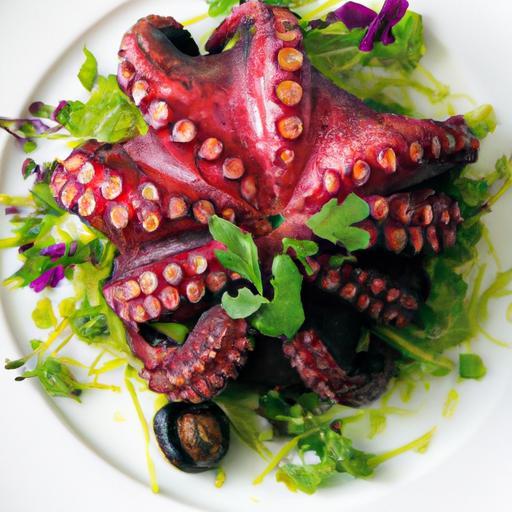

There’s something magical about tender octopus-the way its delicate, briny flavor melts on your tongue, evoking the essence of the sea in every bite. Yet, for many home cooks and even seasoned chefs, achieving that perfect, melt-in-your-mouth texture can feel like an elusive culinary dream. Too often, octopus ends up rubbery and tough, turning a promising dish into a disappointing chew-fest. But fear not: with the right techniques and a little know-how, mastering tender octopus is entirely within reach. In this article, we’ll dive deep into the secrets of cooking this oceanic delicacy just right-so you can say goodbye to rubberiness forever and hello to sublime, silky bites every time.
Mastering tender octopus requires both understanding its unique texture and applying precise techniques to avoid rubberiness. This delicate seafood has been cherished in Mediterranean and Asian cuisines for centuries, prized for its subtle oceanic flavor and the delightful contrast between its tender flesh and slight bite. Yet, novice cooks often find themselves frustrated by chewy, unyielding results. In this guide, you’ll uncover how to select the perfect octopus, prepare it thoughtfully, and employ foolproof cooking methods that transform it into succulent perfection every time.
Prep and Cook Time
Preparation: 15 minutes
Cooking: 1 hour 20 minutes
Total Time: 1 hour 35 minutes
Yield
Serves 4
Difficulty Level
Medium
Ingredients
- 2 pounds fresh octopus, cleaned and whole
- 4 cups water
- 1 cup dry white wine
- 1 lemon, halved
- 2 bay leaves
- 5 garlic cloves, crushed
- 1 tablespoon sea salt
- 1 teaspoon black peppercorns
- 3 tablespoons extra-virgin olive oil
- Fresh parsley, finely chopped (for garnish)
- Optional: smoked paprika or chili flakes for a smoky spice kick
Instructions
- Select and Prepare: Choose an octopus with firm, shiny skin and no fishy odor. Rinse it thoroughly under cold water. Remove the beak and the ink sac if your fishmonger has not done so already.
- Pre-Tenderize: Freeze the octopus if fresh to break down fibers naturally, then thaw before cooking.
- Simmer Gently: In a large pot, combine water, white wine, lemon halves, bay leaves, garlic, salt, and peppercorns. Bring to a gentle boil, then reduce to a simmer.
- Cook the Octopus: Submerge the octopus fully in the simmering liquid. For extra tenderness, do not boil vigorously; aim for a low simmer to avoid toughening the muscle. Cook for about 60-80 minutes, or until the octopus is tender when pierced with a fork (a fork should meet little resistance).
- Cool in the Broth: Turn off the heat and let the octopus rest in the flavorful broth for 20 minutes. This resting allows residual heat to finish softening the flesh evenly.
- Prepare to Serve: Remove the octopus and pat dry carefully with paper towels. Cut the tentacles and head into bite-sized pieces.
- Finish with a Sear: Heat olive oil in a skillet over medium-high heat. Sauté pieces until edges curl and develop a golden crust, about 2-3 minutes per side. This step enhances texture and adds irresistible smoky flavor.
- Garnish and Serve: Plate the octopus, drizzle with fresh olive oil, sprinkle chopped parsley and a pinch of smoked paprika or chili flakes if desired.
Tips for Success
- Why Rubberiness Happens: Overcooking or boiling at too high a temperature contracts the muscle fibers making the octopus tough and rubbery. Low and slow is your ally in texture mastery.
- Alternative Tenderizing: Some chefs swear by a quick plunge into boiling water three times before simmering, which helps tighten the skin without toughening the flesh inside.
- Freeze Before Use: Freezing breaks down collagen naturally. If buying fresh octopus, freeze it at home and thaw properly overnight in the fridge.
- Resting Is Crucial: Never rush to serve freshly cooked octopus immediately. Letting it cool gently in its cooking liquid aids moisture retention and tenderness.
- Flavor Variations: Swap bay leaves for rosemary or thyme for different aromatic dimensions.
Serving Suggestions
This tender octopus pairs beautifully with warm Mediterranean salads, garlic-roasted potatoes, or a crisp glass of Albariño wine. Present on a rustic wooden board scattered with lemon wedges, a dusting of coarse sea salt, and colorful microgreens for an elegant feast.

| Nutrient | Per Serving |
|---|---|
| Calories | 210 kcal |
| Protein | 36 g |
| Carbohydrates | 2 g |
| Fat | 5 g |
For those interested in broadening their knowledge on seafood preparation, visit Serious Eats’ guide to cooking octopus for expert insights.
Explore more tips and tricks in our Seafood Cooking Techniques section to deepen mastery of ocean flavors.
Q&A
Q: Why does octopus often turn out rubbery?
A: Octopus contains a lot of connective tissue that tightens when exposed to heat, making it tough and rubbery if cooked too quickly or at too high a temperature. Without proper technique, the tender texture remains elusive.
Q: What’s the secret to tenderizing octopus before cooking?
A: Many chefs recommend a gentle pre-cook method such as simmering or boiling the octopus at low heat to break down the collagen. Some even freeze the octopus beforehand, as freezing helps weaken the muscle fibers naturally.
Q: How long should I cook octopus to achieve that perfect tender bite?
A: Timing varies based on size, but generally a slow simmer of about 45 minutes to 1.5 hours is ideal. You want to gently cook it until a knife or fork slides in with little resistance, signaling that the flesh has softened just right.
Q: Are there any handy tricks to speed up the tenderizing process?
A: Absolutely! Try massaging the octopus or even giving it a light pounding before cooking. Some chefs dip it briefly in boiling water multiple times to “shock” the meat, which can help prevent the tentacles from curling and toughening.
Q: What cooking methods work best to avoid rubberiness after tenderizing?
A: Slow cooking methods like braising, simmering, or sous vide keep octopus moist and tender. High-heat finishes-like grilling or searing-are great, but only after the octopus has been properly cooked through and tenderized.
Q: Does the size or type of octopus affect cooking technique?
A: Yes! Smaller octopuses generally require shorter cooking times because their muscles are less dense. Larger specimens need longer, gentler cooking. Always adjust cooking times to the size and firmness of your octopus to ensure optimal tenderness.
Q: Can marinating octopus improve its texture?
A: While marinades won’t tenderize like cooking does, acidic ingredients such as lemon or vinegar can mildly break down surface proteins and add flavor. Use marinades to enhance taste, but rely on proper cooking methods to master texture.
Q: What’s the best way to test if octopus is perfectly tender?
A: The classic test is to pierce the thickest part with a skewer or fork. If it slides in easily without resistance, you’ve hit the tender jackpot. Avoid overcooking though-once it passes the “too soft” stage, it can start falling apart.
Q: How do professional chefs achieve a tender, yet firm octopus in restaurants?
A: Pros often combine slow simmering or sous vide with a quick high-heat sear. This two-step technique ensures the octopus is cooked through and tender on the inside, while the exterior is crisp and flavorful-an irresistible contrast.
Q: What’s a quick tip to remember when cooking octopus at home?
A: Patience is your best friend! Rushing the process usually means rubbery results. Embrace slow, gentle cooking followed by a brief high-heat finish, and you’ll transform chewy octopus into tender ocean delight every time.
To Conclude
Mastering tender octopus is less mystery and more mindful technique-a dance of patience, precision, and a little culinary intuition. By embracing these tips, you can confidently transform this often-intimidating ingredient into a buttery, melt-in-your-mouth delight every time. So next time you bring home this ocean treasure, remember: the secret to silky, succulent octopus lies not in rushing, but in respecting its unique nature. With a bit of practice and care, say goodbye to rubbery bites and hello to a dish that’s nothing short of spectacular. Dive in, experiment, and let your kitchen be the stage for octopus perfection.