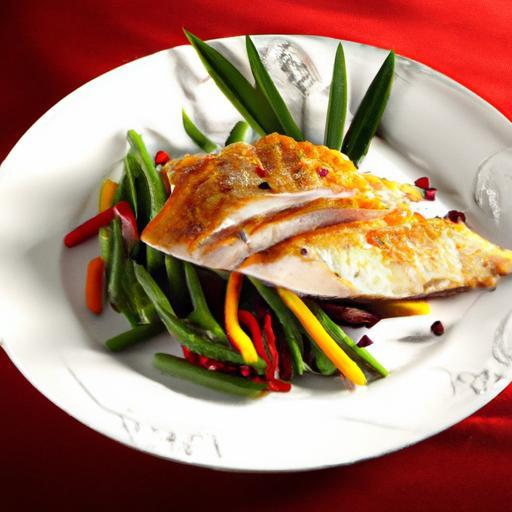

There’s something undeniably magical about fresh fish-the glistening skin, the delicate aroma of the sea, and that first bite bursting with oceanic flavor. But anyone who’s ever brought home a beautiful catch or a carefully chosen fillet knows that keeping fish perfectly fresh is an art in itself. From fridge hacks to storage secrets, the journey from market to mouth can be fraught with challenges that test even the most devoted seafood lovers. This ultimate guide will navigate you through everything you need to know to preserve that just-caught freshness, ensuring every morsel tastes like it was caught moments ago. Dive in, and let’s unlock the secrets to impeccably fresh fish every time!
Choosing fresh fish for longevity and flavor is both an art and a science, essential for preserving impeccable taste and texture. The moment your fish reaches its peak freshness dictates how you will store and handle it to maintain that delicate, ocean-kissed quality. Selecting firm, translucent flesh with a clean, mild scent forms the foundation of this culinary journey. When paired with skillful control of temperature and humidity, your fish can remain vibrant and delicious far beyond usual expectations.
Prep and Cook Time
- Preparation: 15 minutes
- Storage/handling time varies (see instructions)
Yield
- Suitable for 4-6 portions depending on dish
Difficulty Level
- Intermediate – requires attention to detail and handling precision
Ingredients
- Fresh fish fillets (e.g., cod, salmon, sea bass), 2 lbs, sashimi-grade recommended
- Crushed ice – enough to create an ice bed
- Food-safe airtight containers or vacuum seal bags
- Clean, damp kitchen towels for wrapping fish
- Reusable moisture-absorbing gel packs (specifically designed for seafood)
- Lemon juice, freshly squeezed, 2 tbsp (for mild natural preservation)
Instructions
- Inspect the fish carefully: select firm and shiny fillets, avoiding any with muddled color, excessive slime, or strong fishy odor.
- Immediately rinse the fillets gently under cold running water to remove any lingering sediment or scales; pat dry with a clean towel.
- Wrap each fillet separately in a dampened kitchen towel to maintain optimal moisture without trapping water that accelerates spoilage.
- Place the wrapped fish into airtight containers, layering with crushed ice to ensure even cold contact without direct water exposure; replenish ice as needed.
- Maintain storage at 32°F (0°C) in the coldest part of your refrigerator. Use a thermometer to check consistent temperature control, as fluctuations drastically impact freshness.
- Control humidity around 85-90% by placing humidity trays or specialized gel packs in the fridge to keep fish moist without excess dampness.
- For extended storage, vacuum-seal fillets with a splash of lemon juice; this natural acid retards bacterial growth and enhances shelf life.
- Before cooking, allow fillets to rest at refrigerator temperature for 30 minutes, letting flavors settle and texture mellow.
Tips for Success
- Always purchase fish the same day you intend to store it; freshness at purchase determines longevity.
- Use oxygen absorbers in packaging to slow oxidation when vacuum sealing.
- If you don’t have a precise fridge thermometer, store fish on a layered ice bed inside a bowl to create a mini cold storage environment.
- Avoid wrapping fish directly in plastic wrap; it traps moisture and accelerates spoilage-opting instead for parchment or damp cloth.
- Consume fresh fish ideally within 1-2 days of purchase; vacuum sealing can gently extend this by up to 4 days refrigerated.
- Do not refreeze thawed seafood, as texture and flavor degrade significantly.
Serving Suggestions
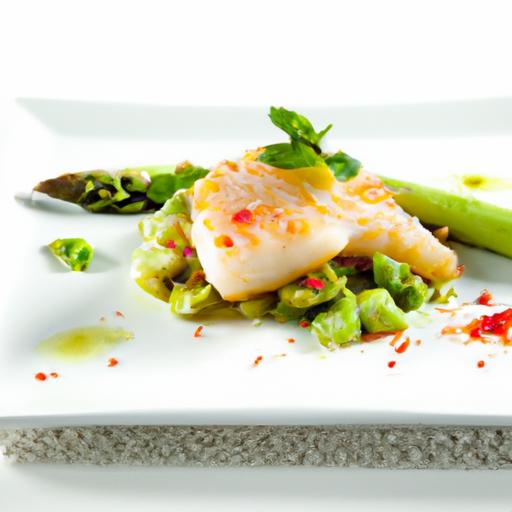
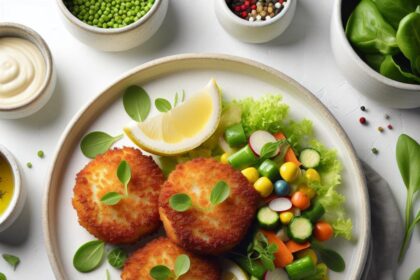
Bring your beautifully preserved fillets to life by pan-searing or grilling just before serving. Garnish with freshly chopped herbs like dill or cilantro, a squeeze of lemon, or a sprinkle of sea salt flakes. Pair with sides such as roasted vegetables or a vibrant green salad to complement the delicate flavor and ensure a restaurant-worthy presentation.
| Nutrition (per 4 oz serving) | Amount |
|---|---|
| Calories | 120 kcal |
| Protein | 22 g |
| Carbohydrates | 0 g |
| Fat | 3 g |

Learn more about advanced seafood storage techniques in our comprehensive seafood care guide, or explore scientific insights on seafood freshness from the FDA Seafood Guidance.
Q&A
Q&A: The Ultimate Guide to Keeping Fresh Fish Perfectly Stored
Q1: Why is proper storage so important for fresh fish?
A1: Fresh fish is a delicate treasure that can spoil quickly if mishandled. Proper storage preserves its texture, flavor, and nutritional value, transforming your meal from mediocre to magnificent. It’s like giving your fish a chilled sanctuary where it stays fresh and fabulous until you’re ready to cook.
Q2: What is the ideal temperature for storing fresh fish?
A2: Think of fresh fish as a cool connoisseur-it prefers temperatures just above freezing, around 32°F (0°C). Keep it colder than your fridge’s usual setting by storing it on a bed of crushed ice in a cooler or a well-drained container. This chilling keeps the fish firm and fight off bacterial growth.
Q3: Can I store fresh fish directly in the fridge without any preparation?
A3: Fresh fish isn’t a “just toss it in” kind of ingredient. Before refrigerating, rinse it gently in cold water and pat it dry. For best results, wrap it loosely in wax paper or place it in a breathable container. This prevents the fish from suffocating in excess moisture and absorbing other fridge odors.
Q4: How long can fresh fish be stored in the fridge before it goes bad?
A4: When stored correctly, fresh fish usually remains at its peak for up to 2 days. Beyond that, it begins to lose its freshness, texture, and flavor. If you can’t cook it within this window, freezing is your next best friend.
Q5: What’s the best way to freeze fresh fish to maintain its quality?
A5: Freezing fish is an art and a science. Wrap your fish tightly in plastic wrap or vacuum-seal it to prevent air exposure, then place it inside a freezer bag. Label it with a date and store it at 0°F (-18°C) or lower. This method locks in flavor and texture for up to 3 months.
Q6: Are there any tips for thawing frozen fish?
A6: Patience is key! Thaw fish slowly in the fridge overnight to keep the flesh firm and juicy. If you’re in a hurry, seal the fish in a waterproof bag and submerge it in cold water, changing the water every 30 minutes. Avoid using warm water or the microwave, as they can cook parts of the fish unevenly.
Q7: How can I tell if fresh fish has gone bad?
A7: Trust your senses. Fresh fish should smell like the ocean-a light, clean scent. If it gives off a strong, ammonia-like odor, looks slimy, or the flesh is dull and mushy, it’s time to say goodbye. Also, bright, clear eyes and shiny skin are signs of freshness.
Q8: Any secret tricks to prolong the freshness of your fish?
A8: Yes! Store your fish on a bed of ice, checking the ice daily and draining any meltwater. Keep the fish elevated above ice to avoid waterlogging. If possible, keep your fish whole with the skin on; it acts as a natural barrier against spoilage.
Closing Thought:
Mastering fresh fish storage isn’t just about avoiding waste-it’s about honoring the ocean’s bounty and elevating every meal. Store your fish with care, and savor the magic of perfectly fresh seafood every time!
Wrapping Up
In the delicate dance of savoring fresh fish, proper storage isn’t just a step-it’s the secret rhythm that keeps every bite bursting with ocean-fresh flavor. By embracing the techniques and tips outlined in this guide, you’re not only preserving freshness but honoring the journey from sea to table. Whether you’re a seasoned chef or a home cook, keeping your fish perfectly stored transforms each meal into a celebration of nature’s bounty. So, dive into your next culinary adventure with confidence, knowing your fish is as fresh as the moment it was caught-because great cooking starts with great care.