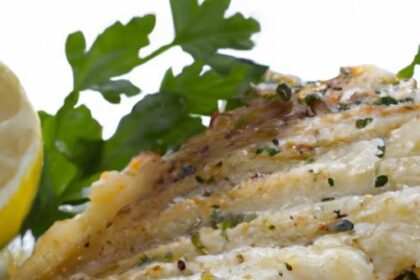

Beneath the radiant sun of the Mediterranean, where ancient traditions dance with vibrant flavors, lies a culinary gem that captures the essence of Greek summer: the tomato fritter. These golden bites of Greece are more than just a snack-they are a celebration of simplicity, freshness, and artistry. Crispy on the outside, tender and bursting with juicy tomatoes within, tomato fritters embody the heart of Greek home cooking. In this article, we explore the art behind these delectable morsels, uncovering their history, regionally inspired twists, and the secrets that transform humble ingredients into a beloved national treasure. Join us on a flavorful journey to savor the golden bites that bring Greece’s vibrant kitchen to life.
Golden Bites of Greece: The Art of Tomato Fritters invites you on a vibrant journey through one of Greece’s most beloved comfort snacks. These tomato fritters, steeped in centuries of Mediterranean tradition, combine the sun-kissed juiciness of ripe tomatoes with a crispy, golden crust that’s a testament to perfect batter craftsmanship. Every bite is a celebration of freshness and technique, rooted in coastal tavernas where simple ingredients shine and communal dining warms the soul.
Prep and Cook Time
Preparation: 15 minutes | Cooking: 15 minutes | Total: 30 minutes
Yield
Serves 4-6, approximately 18 fritters
Difficulty Level
Easy to Medium – Perfect for beginners eager to master classic Mediterranean frying techniques.
Ingredients
- 3 large ripe tomatoes, finely chopped (preferably vine-ripened)
- 1 cup all-purpose flour, sifted
- 2 large eggs, beaten
- 1 small onion, grated
- 2 cloves garlic, minced
- 1/4 cup fresh parsley, chopped finely
- 1/4 cup fresh mint leaves, chopped finely
- 1/2 tsp baking powder
- Salt and freshly ground black pepper, to taste
- Extra virgin olive oil, for frying
- Optional: 1/2 cup crumbled feta cheese for garnish
Instructions
- Prepare Tomatoes: Gently drain chopped tomatoes in a fine mesh strainer for 10 minutes to remove excess liquid; this ensures the batter remains crisp.
- Mix Batter: In a large bowl, combine the sifted flour and baking powder. Slowly stir in the beaten eggs, and then fold in the grated onion, minced garlic, and herbs.
- Incorporate Tomatoes: Gently fold the drained tomatoes into the batter, seasoning liberally with salt and pepper. The batter should be thick but spoonable-add a little water if it feels too dense.
- Heat the Olive Oil: Warm a generous layer of extra virgin olive oil in a large skillet over medium-high heat. The oil should be hot enough so a drop of batter sizzles upon contact.
- Fry the Fritters: Using a tablespoon, drop spoonfuls of batter into the oil, flattening slightly with the back of the spoon. Fry for about 3-4 minutes on each side or until golden brown and crispy.
- Drain Excess Oil: Remove fritters with a slotted spoon and place on paper towels to absorb any excess oil.
- Serve Warm: Garnish with crumbled feta, extra herbs, and a wedge of lemon for an aromatic lift.
Tips for Success: Mastering the Perfect Batter Balance
- Consistency is Key: Adjust flour quantity slightly if your tomatoes release too much juice; a thinner batter yields soggy fritters, while thick batter keeps them crisp.
- Freshness Matters: Use tomatoes at their peak ripeness and fresh herbs-chopped finely for even distribution of flavor.
- Oil Temperature: Maintain medium-high heat; too cool and fritters absorb oil, too hot and they burn before cooking through.
- Make Ahead: Prepare the batter up to 1 hour in advance and keep refrigerated. Stir gently before frying.
Serving Suggestions to Elevate Your Tomato Fritter Experience
Tomato fritters are a versatile canvas. Serve them hot alongside a crisp Greek salad sprinkled with Kalamata olives and a drizzle of lemon-infused olive oil. Pair with tzatziki or a tangy yogurt dip infused with fresh dill for cooling contrast. For a hearty appetizer, accompany with slices of rustic bread and a side of honey-drizzled ricotta. A glass of chilled Assyrtiko white wine will perfectly cut through the richness and brighten the Mediterranean vibe at your table.
| Nutrient | Amount per Serving |
|---|---|
| Calories | 180 kcal |
| Protein | 5 g |
| Carbohydrates | 20 g |
| Fat | 8 g |
Discover our Greek Salad recipe for the perfect side to these fritters. For authentic culinary insights on Mediterranean tomatoes, visit the FAO’s official page on Mediterranean crops.

Q&A
Q&A: Golden Bites of Greece – The Art of Tomato Fritters
Q1: What are tomato fritters, and why are they special in Greek cuisine?
A1: Tomato fritters, or ndomatzokeftedes, are golden, crispy patties made from ripe tomatoes, herbs, and a delicate batter. They hold a special place in Greek cuisine as a vibrant celebration of summer’s bounty, capturing the essence of sun-ripened tomatoes kissed with Mediterranean herbs in every bite.
Q2: How did tomato fritters become a beloved staple in Greece?
A2: Originating from coastal villages and island tavernas, tomato fritters evolved as a clever way to use surplus tomatoes during peak season. Their irresistible crunch and burst of juicy flavor quickly won the hearts of locals and travelers alike, becoming a quintessential meze that invites sharing and conviviality.
Q3: What are the key ingredients that define authentic Greek tomato fritters?
A3: Authentic fritters begin with luscious, vine-ripened tomatoes, finely chopped or grated to release their juices. They are gently combined with flour-often a mix of all-purpose and semolina-fresh herbs like oregano and mint, a hint of spicy pepper or sweet onion, and a splash of feta cheese or mizithra for that distinctive, tangy richness.
Q4: What’s the secret to achieving the perfect texture?
A4: The magic lies in balance and technique-enough flour to bind the mixture without weighing down its lightness, and just the right frying temperature to create a crispy, golden crust that encases the juicy interior. Patience is key: frying in small batches ensures each fritter emerges beautifully browned and irresistibly crispy.
Q5: How are tomato fritters traditionally enjoyed in Greece?
A5: Tomato fritters are most often savored as part of a meze spread, paired with chilled ouzo or a crisp white wine. Drizzled with a little extra virgin olive oil and served alongside fresh tzatziki or a wedge of lemon, they make for the perfect appetizer that ignites conversation and appetite alike.
Q6: Can tomato fritters be adapted for modern kitchens?
A6: Absolutely. While honoring tradition, chefs today experiment with additions like garlic, capers, or even a sprinkle of smoked paprika. For a lighter twist, some bake instead of fry, or use alternative flours to cater to gluten-free diets-proving that this ancient recipe can evolve without losing its soulful Greek character.
Q7: Why should food lovers seek out Greek tomato fritters?
A7: Biting into a tomato fritter is like tasting the sunny Greek isles-bright, fresh, aromatic, and utterly comforting. They embody a timeless culinary art that connects you to Greek land, sea, and hospitality, making every golden bite a small journey to the heart of Mediterranean tradition.
Final Thoughts
As the sun sets over the Mediterranean horizon, the humble tomato fritter stands as a golden testament to Greece’s culinary artistry-simple ingredients transformed by tradition into a dish that captures the essence of island life. Each crisp, fragrant bite tells a story of sun-soaked gardens, family gatherings, and timeless recipes passed down through generations. Whether enjoyed as a quick snack or a centerpiece at the table, these golden bites invite you to savor not just the flavors, but the spirit of Greece itself. So next time you crave a taste that’s both rustic and refined, remember the tomato fritter: where art and appetite meet in perfect harmony.