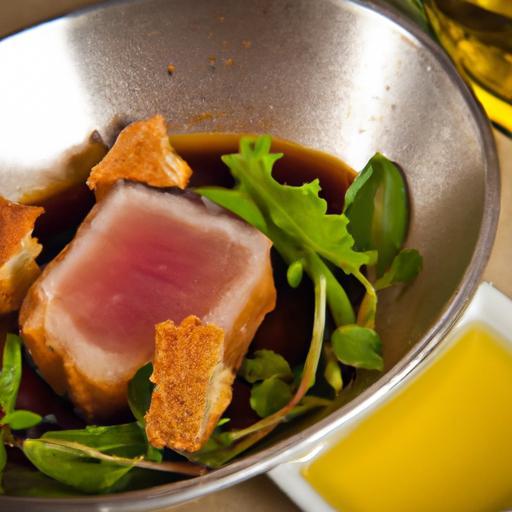

Imagine unlocking the secret to tender, melt-in-your-mouth tuna that promises both simplicity and sophistication on your plate. Tuna confit, a timeless technique bathed in the golden warmth of olive oil, transforms humble fish into a culinary masterpiece. In this article, we’ll guide you through the art of mastering tuna confit – where minimal effort meets maximum flavor, and everyday ingredients turn into edible magic. Ready to dive into a world where olive oil isn’t just a cooking medium, but the heart of an extraordinary dish? Let’s embark on this delicious journey together.
- Understanding the Art of Tuna Confit and Its Culinary Benefits
- Choosing the Perfect Olive Oil for Enhanced Flavor and Texture
- Prep and Cook Time
- Yield
- Difficulty Level
- Ingredients
- Step-by-Step Guide to Preparing Tuna Confit at Home
- Expert Tips for Serving and Storing Tuna Confit to Maximize Freshness
- Chef’s Notes
- Serving Suggestions
- Q&A
- Final Thoughts
Understanding the Art of Tuna Confit and Its Culinary Benefits
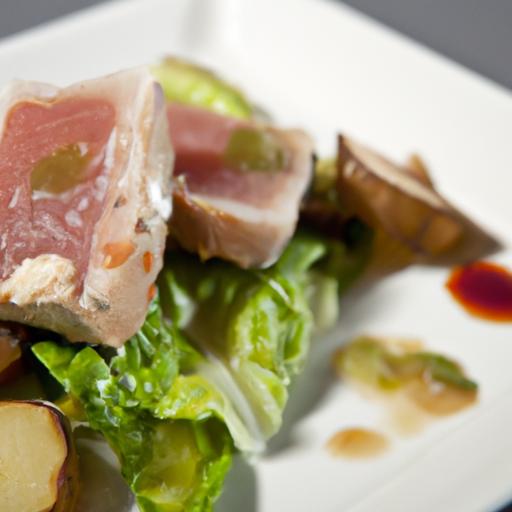
Mastering Tuna Confit is a rewarding culinary adventure that transforms humble tuna into a velvety, melt-in-your-mouth delicacy through a gentle cooking technique in olive oil. Originating from French preservation methods, confit involves slow cooking the fish at low temperatures, sealing in moisture and enhancing natural flavors while extending its shelf-life. This method not only yields a luscious texture rarely achieved by conventional cooking but also maximizes the tuna’s rich, savory character, making it a prized ingredient for gourmet dishes.
Besides enhancing taste, tuna confit offers excellent health benefits, as the fish retains its omega-3 fatty acids during the low-temperature cooking. Paired with premium olive oil, the process elevates the dish both nutritionally and texturally, ensuring every bite is indulgent yet wholesome.
Choosing the Perfect Olive Oil for Enhanced Flavor and Texture
Selecting the right olive oil is essential when mastering tuna confit. Opt for a high-quality, extra virgin olive oil with a balanced peppery and fruity profile. This will not only infuse the tuna with subtle herbaceous notes but also complement its richness. Avoid strongly flavored oils which may overpower the delicate flavor of the tuna.
Look for olive oils harvested recently and cold-pressed to retain antioxidants and freshness. A medium-intensity oil adds body without bitterness, helping achieve a silky mouthfeel. Infused olive oils, such as garlic or lemon, can be used sparingly for a creative twist but always consider the oil’s smoke point, aiming for one stable enough to cook gently at temperatures around 60°C (140°F).
Prep and Cook Time
- Preparation: 15 minutes
- Cooking: 45 minutes
- Resting/Infusing: Optional 2-4 hours
Yield
Serves 4 as an appetizer or light main course
Difficulty Level
Medium – requires attention to temperature and careful timing
Ingredients
- 600g fresh tuna loin, skin removed, cut into 2-inch thick steaks
- 500ml extra virgin olive oil (preferably fruity and medium intensity)
- 3 garlic cloves, crushed but left whole
- 1 sprig fresh thyme
- 1 sprig fresh rosemary
- 1 bay leaf
- 1 tsp sea salt
- 1/2 tsp freshly cracked black pepper
- 1 lemon, zest only
Step-by-Step Guide to Preparing Tuna Confit at Home
- Season the Tuna: Pat the tuna loin dry with paper towels. Season evenly with sea salt, black pepper, and lemon zest to awaken the natural flavors.
- Prepare the Oil Infusion: In a heavy-bottomed saucepan, pour the olive oil and add garlic cloves, thyme, rosemary, and bay leaf. Gently warm the oil over low heat for 5 minutes to release the aromatics but avoid boiling.
- Cook the Tuna: Submerge the seasoned tuna pieces carefully into the warm olive oil. Maintain the oil temperature between 55-60°C (130-140°F) using a thermometer to ensure a slow confit, not frying. Cook for 30-45 minutes – the tuna should be tender and opaque but not browned.
- Rest and Cool: Remove the fish gently with a slotted spoon and let the tuna rest in a clean container. Pour the cooled olive oil and aromatics over the tuna to cover it completely. This keeps the confit moist and infused.
- Infusion Time (Optional): For deeper flavor, refrigerate the tuna submerged in oil for 2-4 hours before serving. The olive oil will further soften the texture and marry flavors beautifully.
Expert Tips for Serving and Storing Tuna Confit to Maximize Freshness
Serve your tuna confit at room temperature for the best aromatic experience. Drizzle with a fresh squeeze of lemon juice and scatter finely chopped fresh herbs like parsley or basil for vibrant contrast. It pairs wonderfully with crusty bread, crisp green salads, or roasted vegetables.
Store the confit in a tightly sealed container in the refrigerator, ensuring the tuna remains fully submerged in olive oil. This preserves the flavor and texture, extending freshness for up to 5 days. When ready to serve, gently warm the confit in the oil again, if desired, to awaken its silky softness.
For brilliant recipe inspiration and variations, explore our Mediterranean seafood collection. To understand the health aspects of olive oil and its ideal culinary uses, visit the International Olive Council.
Chef’s Notes
- Use sashimi-grade tuna for the best taste and texture.
- If olive oil prices or availability are a concern, blend with mild grapeseed oil to reduce cost while maintaining flavor.
- For a spicy twist, add a few dried chili flakes to the olive oil infusion.
- Make-ahead: Tuna confit improves in flavor over 24 hours in the fridge, making it ideal for entertaining.
- If lacking fresh herbs, dried thyme and rosemary work but reduce quantities to avoid overpowering the fish.
Serving Suggestions
Tuna confit shines on a rustic wooden board accompanied by toasted baguette slices and a dollop of citronette or aioli. Garnish with microgreens or edible flowers for a refined presentation. It also makes an impeccable topping for avocado toast or a vibrant Niçoise salad upgrade.
| Nutrient | Per 100g |
|---|---|
| Calories | 210 kcal |
| Protein | 25g |
| Carbohydrates | 0g |
| Fat | 13g (mostly healthy fats) |

Q&A
Q&A: Mastering Tuna Confit – Simple Steps with Olive Oil Magic
Q1: What exactly is tuna confit?
A1: Tuna confit is a culinary technique where fresh tuna is slowly cooked at a low temperature, submerged in olive oil. This gentle process infuses the fish with rich flavors while preserving its tender, melt-in-your-mouth texture. Think of it as a luxurious swim in a golden sea of olive oil!
Q2: Why use olive oil for confit instead of other oils?
A2: Olive oil isn’t just any cooking oil-it’s the superstar here. Its fruity, peppery notes enhance the natural flavors of tuna without overpowering them. Plus, its stable fats make it perfect for slow cooking, ensuring your tuna emerges silky, flavorful, and irresistibly moist.
Q3: Is tuna confit difficult to prepare at home?
A3: Not at all! Tuna confit might sound fancy, but it’s surprisingly simple. With just a few quality ingredients and some patience, you can master the art. The key is low and slow-keep your oven temperature around 120°C (250°F) and let the tuna gently poach in olive oil for about 30-40 minutes.
Q4: What cut of tuna works best for confit?
A4: For confit, firm and meaty cuts like tuna loin or steak are ideal. Their dense texture holds up beautifully during slow cooking, resulting in a luscious finish that flakes gently but stays juicy. Avoid fatty belly cuts, which can become overly rich.
Q5: How do I know when the tuna is perfectly cooked?
A5: The beauty of confit is in its subtle cooking. The tuna should be opaque on the outside but still tender and slightly translucent in the center. It should easily flake apart with a fork, revealing a delicate, velvety bite rather than a dry, tough piece.
Q6: Can I add herbs and spices to the confit process?
A6: Absolutely! This is where your creativity shines. Classic additions include garlic cloves, thyme sprigs, bay leaves, and black peppercorns-each infusing the oil and tuna with aromatic layers. Feel free to experiment with citrus zest or chili flakes for a personalized twist.
Q7: How should I store tuna confit once it’s made?
A7: Keep it submerged in its olive oil in an airtight jar or container, refrigerated. The oil acts as a preserving agent, allowing your tuna confit to stay fresh and flavorful for up to a week. Just bring it to room temperature before serving to enjoy its silky texture.
Q8: What are some delicious ways to serve tuna confit?
A8: The possibilities are endless! Use it as a star topping on crisp crostini, mix into vibrant salads, fold gently into pasta, or serve alongside roasted veggies. Its rich, olive oil-kissed flavor elevates everything it touches, turning simple dishes into elegant delights.
Q9: Can I confit other types of fish using this method?
A9: You certainly can! While tuna is a perfect candidate, fatty fishes like salmon or mackerel also respond beautifully to confit. Just adjust cooking times accordingly and let the olive oil work its magic on each unique flavor.
Q10: Any final tips for mastering tuna confit at home?
A10: Use the best quality, fresh tuna you can find. Pat it dry before submerging to avoid excess moisture diluting the oil. Don’t rush the process-low heat and patience yield sublime results. And most importantly, trust your senses; your taste buds will be your best guide through this flavorful journey!
Ready to dive into the delicious simplicity of tuna confit? With olive oil as your secret ingredient, you’re set to create a timeless dish that’s as impressive as it is easy. Bon appétit!
Final Thoughts
As the last golden drop of olive oil settles, you’ll find that mastering tuna confit isn’t just a cooking technique-it’s a gentle art of preserving the sea’s richness in every tender bite. With simple steps and the magic touch of olive oil, you unlock flavors that linger, textures that melt, and a culinary confidence that invites endless creativity. So, whether you’re plating an elegant appetizer or crafting a weeknight delight, let your tuna confit journey be a delicious testament to the beauty of simplicity and the power of quality ingredients. Dive in, savor slow, and watch your kitchen transform one silky, savory spoonful at a time.