
There’s a subtle magic in a single drop of vinegar-a burst of tang, a whisper of earthiness, a delicate dance of flavor that can elevate even the simplest dish. But what if you could transform this humble kitchen staple into a personalized culinary potion, infused with the vibrant essence of fresh herbs from your garden or local market? Welcome to the art of crafting herb-infused vinegars at home-a delightful journey that blends creativity with tradition, science with sensory delight. In this guide, we’ll unlock the secrets to turning everyday vinegar into a spectrum of flavors, perfect for drizzling, marinating, and brightening your meals with a fragrant, zesty twist. Whether you’re a seasoned cook or a curious beginner, crafting your own herb-infused vinegars offers an inspiring way to explore flavor, preserve nature’s bounty, and add a homemade touch to your pantry staples. Let’s dive in and discover how a few simple ingredients can transform vinegar from ordinary to extraordinary.
Crafting Flavor: A Guide to Herb-Infused Vinegars at Home
Crafting Flavor: A Guide to Herb-Infused Vinegars at Home is an inspiring journey into the art of turning simple herbs and vinegars into vibrant, aromatic elixirs that brighten every dish. Whether you’re a kitchen novice or a seasoned cook, infusing vinegars with fresh and dried herbs will awaken your senses and elevate your culinary creations with complexity and zest. From the sun-drenched Mediterranean herbs to fragrant garden classics, this method celebrates nature’s bounty in liquid form, perfect for dressings, marinades, and gourmet finishing touches.
Prep and Cook Time
Preparation: 10 minutes | Infusion time: 1 to 4 weeks (depending on desired intensity)
Yield
Approximately 2 cups of herb-infused vinegar per batch
Difficulty Level
Easy – Perfect for all skill levels
Ingredients
- 2 cups mild vinegar base (choose from white wine, apple cider, or rice vinegar)
- 1/4 cup fresh herbs (such as rosemary, thyme, basil, oregano, or tarragon), lightly bruised
- Optional dried herbs: 1 tablespoon (lavender, dill, or chamomile)
- Peel of 1 organic citrus (lemon, orange, or lime, avoiding pith)
- 1 garlic clove, smashed (optional for a savory touch)
- Clean glass jar with airtight lid, sterilized
Step-by-Step Instructions for Fresh and Dried Herb Vinegars
- Choose your vinegar base. Opt for a lighter vinegar such as white wine or apple cider if you want herbaceous clarity or rice vinegar for a subtle sweetness. Avoid overly strong vinegars that overpower delicate herb aromas.
- Prepare your herbs. Gently bruise fresh herbs with the back of a spoon or a mortar and pestle to release essential oils without tearing them apart.
- Assemble the infusion. In the sterilized jar, nestle the fresh and/or dried herbs along with citrus peel and garlic if using. Pour the vinegar over the mixture, covering everything completely.
- Seal and store. Close the jar tightly and place in a cool, dark spot for 1 to 4 weeks. Shake gently every 2 days to encourage even infusion and flavor melding.
- Strain and bottle. Once the vinegar reaches your preferred herbaceous intensity-typically 2 weeks for fresh herbs and up to 4 weeks for dried-strain through a fine mesh sieve or cheesecloth into a clean bottle.
- Label and store. Keep infused vinegars refrigerated or in a cool pantry. They will taste best if used within 6 months.
Chef’s Notes: Tips for Success with Herb-Infused Vinegars
- For bolder flavors, double the herb quantity or extend the infusion time but remember, overstaying can create bitterness.
- Fresh herbs typically infuse faster and provide brighter notes; dried herbs add earthiness and depth.
- Use organic herbs and citrus to avoid pesticide residues and enhance purity of flavor.
- Experiment with combinations like rosemary and lemon peel for Mediterranean vibes or basil and orange zest for a fruity twist.
- For savory profiles, add crushed peppercorns or a small chili for gentle heat.
- Make ahead batches during herb season to gift or keep on hand-infused vinegars are a stunning homemade culinary gem.
Creative Uses and Storage Tips to Maximize Flavor Longevity
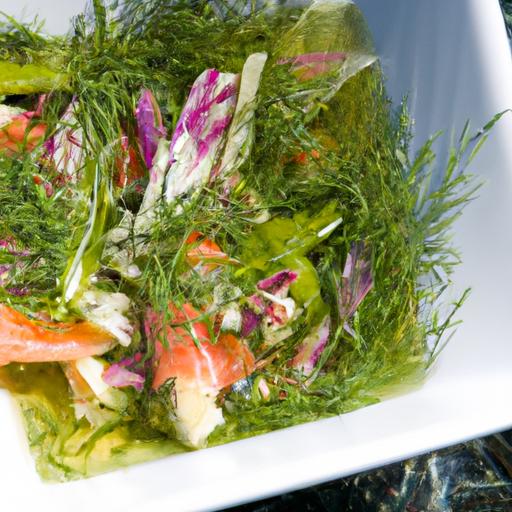
Herb-infused vinegars are versatile liquid gold in your kitchen arsenal. Drizzle them over crisp spring salads, roasted vegetables, or grilled seafood to add layers of flavor that burst on the palate. Use as a marinade base or to brighten up sauces and dips. For a creative touch, rim cocktail glasses or blend into vinaigrettes for a dazzling presentation.
Store infused vinegars in tightly sealed amber or clear glass bottles to protect against light and preserve their vibrant flavors. Always keep them in a cool, dark place or the refrigerator to prevent spoilage. Label each bottle with the infusion date and ingredients for easy rotation. Some recipes even improve with age, developing nuanced complexity after a few months.
Nutritional Snapshot per 1 Tbsp Herb-Infused Vinegar
| Calories | Protein | Carbs | Fat |
|---|---|---|---|
| 3 | 0g | 0.1g | 0g |

For more inspiration on using infused vinegars in dressings, check out our Homemade Vinaigrette Recipes. Also, explore the science behind vinegar’s health benefits through this comprehensive health guide.
Q&A
Q&A: Crafting Flavor – A Guide to Herb-Infused Vinegars at Home
Q1: What makes herb-infused vinegars a must-have in every kitchen?
A1: Herb-infused vinegars capture the vibrant essence of fresh herbs, transforming ordinary dishes into culinary masterpieces. They add depth, brightness, and complexity to dressings, marinades, and even cocktails – all while being easy to make and naturally preservable.
Q2: Which herbs work best for infusing vinegars?
A2: The possibilities are almost endless, but some top contenders include fragrant rosemary, robust thyme, zesty basil, delicate tarragon, and refreshing mint. Each herb brings a unique personality: rosemary lends a piney warmth, basil offers sweet anise notes, and tarragon adds a hint of licorice magic.
Q3: Can I use fresh herbs straight from my garden, or should they be dried?
A3: Fresh herbs are ideal for a bright, vibrant infusion, bursting with natural oils and vitality. However, dried herbs can also provide concentrated flavors and are great when fresh produce isn’t available. Just ensure fresh herbs are thoroughly washed and fully dried before infusing to avoid cloudiness or spoilage.
Q4: What types of vinegar are recommended for herb infusion?
A4: White wine vinegar, apple cider vinegar, and rice vinegar are popular choices due to their clean and mild flavors that let the herbs shine. For a richer profile, balsamic vinegar can be used, but it tends to overpower delicate herbs, so balance accordingly.
Q5: How long should I let the herbs infuse?
A5: Patience is key! Typically, 1 to 2 weeks allows the flavors to meld beautifully at room temperature, away from direct sunlight. You can taste test along the way – when the vinegar sings with herbal notes, it’s ready to strain and enjoy.
Q6: What’s the best method for infusing herbs into vinegar?
A6: Start with sterilized glass bottles or jars. Add your selected herbs, then cover them completely with vinegar. Seal tightly and store in a cool, dark spot. Gently shake the container every few days to encourage mixing. Once infused, strain out the herbs to prevent bitterness and prolong shelf life.
Q7: How can I use herb-infused vinegars in my cooking?
A7: Drizzle them over fresh salads, roast vegetables, or grilled meats for an instant flavor boost. They’re also fantastic in vinaigrettes, sauces, and even as a zingy twist in sparkling water or cocktails. Herb vinegar is your secret weapon for elevating everyday meals.
Q8: Are there any safety tips to keep in mind?
A8: Always start with clean, dry herbs and sterilized containers to prevent contamination. Avoid using bruised or moldy herbs. If you notice any cloudiness, off smells, or mold during or after infusion, discard the batch to be safe.
Q9: Can I experiment with blending multiple herbs or adding extras?
A9: Absolutely! Combining herbs like lavender and thyme or basil and oregano can create exciting flavor profiles. You can also add complementary ingredients like garlic, peppercorns, or citrus zest to customize your herbal vinegar and craft truly signature blends.
Q10: How long do homemade herb-infused vinegars last?
A10: When stored properly in a cool, dark place and sealed tightly, infused vinegars can last from 3 to 6 months. The acidic environment helps preserve the flavors, but always check for any signs of spoilage before use.
With these tips and answers, you’re ready to embark on your own aromatic adventure – turning humble vinegars and fresh herbs into liquid gold! Happy infusing!
The Way Forward
As you embark on your own journey of crafting herb-infused vinegars, remember that each bottle is more than just a condiment-it’s a vibrant tapestry of nature’s flavors, waiting to awaken your palate. With a little patience and creativity, your homemade infusions can transform everyday dishes into culinary masterpieces, adding depth, brightness, and a touch of personal flair. So gather your favorite herbs, experiment boldly, and let your vinegar creations become the secret ingredient that turns simple meals into unforgettable experiences. Happy infusing!