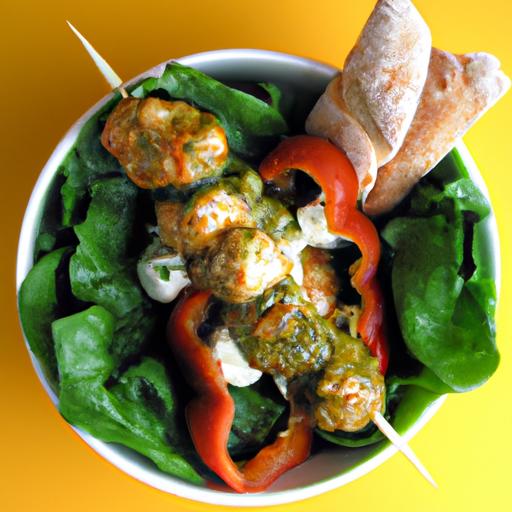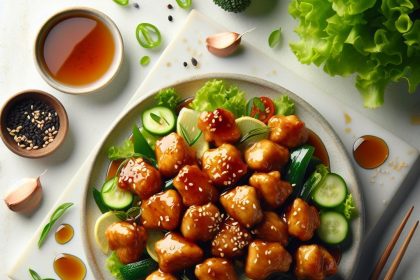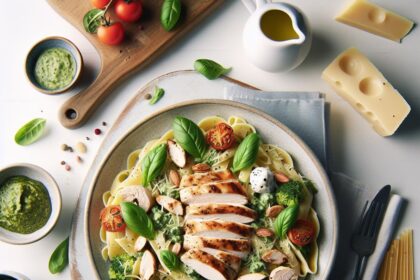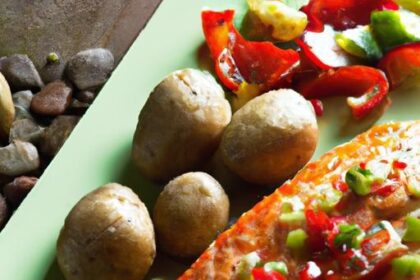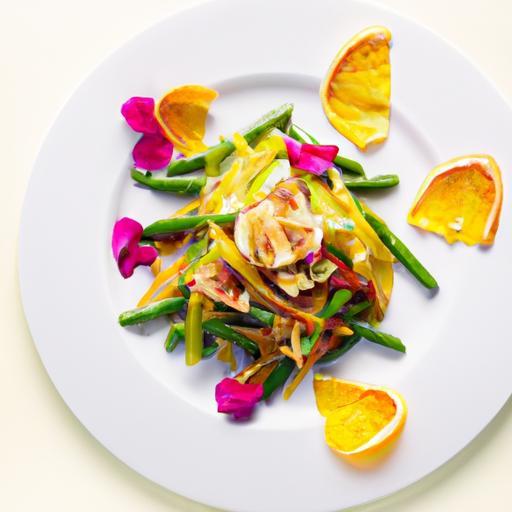

Imagine this: a spontaneous dinner turns into an unexpected feast, leaving you with a colorful medley of leftovers that suddenly seem a bit overwhelming. But what if those surprise leftovers were not just yesterday’s meals, but the seeds of tomorrow’s culinary masterpieces? In a world obsessed with waste reduction and creative cooking, transforming surprise leftovers has become an art-and a smart strategy to savor more without sacrificing flavor or fun. This article dives into clever tips and inventive ideas that unlock the full potential of those unexpected fridge finds, turning them into exciting dishes that delight the palate and honor your efforts. Get ready to reimagine your leftovers and revolutionize the way you relish every last bite!
Transforming Surprise Leftovers: Smart Tips to Savor More
Transforming surprise leftovers into something extraordinary is an art that elevates everyday cooking into a culinary adventure. Imagine turning last night’s roast chicken or forgotten steamed vegetables into a tantalizing, restaurant-quality meal that feels fresh and exciting. This guide unlocks creative techniques and smart hacks to enhance flavor and texture, ensuring each bite delights and nothing goes to waste.
Prep and Cook Time
Prep: 15 minutes | Cook: 30 minutes | Total: 45 minutes
Yield
4 servings
Difficulty Level
Medium
Ingredients
- 2 cups cooked leftover roast chicken, shredded
- 1 cup mixed leftover vegetables, roughly chopped (carrots, peas, bell peppers)
- 1 cup cooked rice or quinoa
- 1 small onion, finely diced
- 2 cloves garlic, minced
- 2 large eggs, beaten
- 2 tablespoons soy sauce
- 1 tablespoon toasted sesame oil
- 1 teaspoon freshly grated ginger
- 1/4 cup scallions, sliced thinly
- 1/4 cup chopped fresh cilantro
- 1/2 teaspoon crushed red chili flakes (optional)
- Salt and pepper to taste
- 2 tablespoons vegetable oil, divided
Instructions
- Prepare the ingredients: Shred the leftover roast chicken into bite-sized pieces. Chop leftover vegetables roughly to maintain texture.
- Heat 1 tablespoon vegetable oil in a large skillet over medium-high heat. Add diced onions and sauté until translucent, about 3 minutes.
- Add minced garlic and grated ginger, stirring constantly for 30 seconds to unleash the aromatics without burning.
- Introduce leftover vegetables to the skillet and cook for 5 minutes until slightly softened but still vibrant.
- Push the vegetables to one side of the pan and pour in beaten eggs on the other. Scramble eggs gently until just set.
- Combine shredded chicken and cooked rice/quinoa with vegetables and eggs. Stir gently to blend, breaking up any clumps in the rice.
- Pour soy sauce and sesame oil evenly over the mixture. Stir continuously for 2-3 minutes, allowing the rice to absorb the rich flavors and slightly caramelize at the edges, creating a delightful texture contrast.
- Season with salt, pepper, and optional crushed chili flakes. Taste and adjust seasoning accordingly.
- Turn off heat and fold in fresh scallions and cilantro to invigorate the dish with fresh herbal brightness.
- Serve immediately, garnished with extra scallions or a wedge of lime for added zing.
Chef’s Notes
- Leftover Flexibility: This dish is your canvas: substitute roast chicken with leftover pork, beef, or tofu for variety. Use any mix of vegetables from your fridge for a custom flavor palette.
- Texture Enhancement: For even more crunch, toast some chopped nuts or crispy fried shallots as a finishing touch.
- Make Ahead Tips: Prep the rice mixture up to step 7 and refrigerate for up to 2 days. Reheat in a skillet, adding a splash of water or broth to revive moisture.
- Safety First: Always ensure that stored leftovers are kept in airtight containers and consumed within 3-4 days to maximize freshness and avoid spoilage.
Serving Suggestions
Transform an everyday meal into a sensory celebration by plating the transformed leftovers with a crisp Asian slaw or a side of pickled vegetables to balance rich umami flavors. Garnishing with fresh herbs like cilantro and a sprinkle of toasted sesame seeds elevates visual appeal and adds layers of texture. Serve alongside a cold, crisp white wine or a sparkling citrus beverage to complement the dish’s vibrant profile.
| Nutrient | Per Serving |
|---|---|
| Calories | 350 kcal |
| Protein | 28 g |
| Carbohydrates | 30 g |
| Fat | 12 g |
Read more on safe leftover storage tips to extend your meal enjoyment confidently. Also, explore our Creative Recipe Ideas for Leftovers for inspired ways to reduce waste deliciously.

Q&A
Q&A: Transforming Surprise Leftovers – Smart Tips to Savor More
Q1: What exactly are “surprise leftovers,” and why should I care?
A1: Surprise leftovers are those unexpected bits of food that magically appear after meals-think extra roasted veggies, half a curry, or a handful of rice. They might seem unexciting at first, but with a little creativity, they can be the star of your next meal. Caring for them means reducing food waste and savoring delicious, budget-friendly dishes!
Q2: How can I bring new life to leftover meals without making them taste repetitive?
A2: The secret is transformation! Change the form and flavor profile-turn roast chicken leftovers into a spicy wrap, or blend yesterday’s stew into a creamy soup. Adding fresh herbs, zesty sauces, or crunchy toppings can instantly refresh the dish, making it exciting and brand new.
Q3: What are some quick hacks to maximize the flavor of surprise leftovers?
A3: Brighten flavors with a squeeze of lemon or a dash of vinegar, sprinkle aromatic spices like smoked paprika or cumin, and incorporate contrasting textures like toasted nuts or crisp greens. Even a drizzle of infused oil or a spoonful of chutney elevates leftovers from bland to brilliant.
Q4: Can leftovers be smartly prepped for ease of use later?
A4: Absolutely! Store components separately-for instance, keep grains, proteins, and sauces apart-so you can mix and match effortlessly. Portion leftovers into airtight containers and label them to avoid mystery meals. Freezing in ready-to-go portions makes weekday dinners a breeze.
Q5: Any creative recipe ideas using common leftover ingredients?
A5: Sure! Turn leftover rice into vibrant fried rice with chopped veggies and scrambled eggs; morph stale bread and roasted veggies into a hearty panzanella salad; or blend leftover roasted potatoes into creamy croquettes. The key is pairing what you have on hand with simple cooking tricks.
Q6: How does transforming leftovers benefit my wallet and the planet?
A6: By creatively reinventing leftovers, you reduce food waste, which means fewer grocery runs and lower bills. Environmentally, it cuts down on methane emissions from food decay and reduces the demand for excess production. So, savoring leftovers is not just smart for your stomach, but also for the planet.
Q7: What mindset shift helps in embracing leftover meals?
A7: Think of leftovers as opportunities rather than afterthoughts-like hidden gems waiting to shine. Approach them with curiosity and playfulness, experimenting with flavors and formats. This mindset turns routine eating into creative culinary adventures that are rewarding and sustainable.
Embrace the art of transforming surprise leftovers and savor more from every bite!
The Conclusion
In the end, transforming surprise leftovers isn’t just about preventing waste-it’s about unlocking a world of unexpected flavors and creative possibilities right in your kitchen. With a bit of ingenuity and some smart tips up your sleeve, those once-forgotten bites can become the stars of your next meal. So, embrace the art of culinary reinvention, and let every leftover tell a new story on your plate. After all, savoring more isn’t just a goal-it’s a delicious adventure waiting to happen.