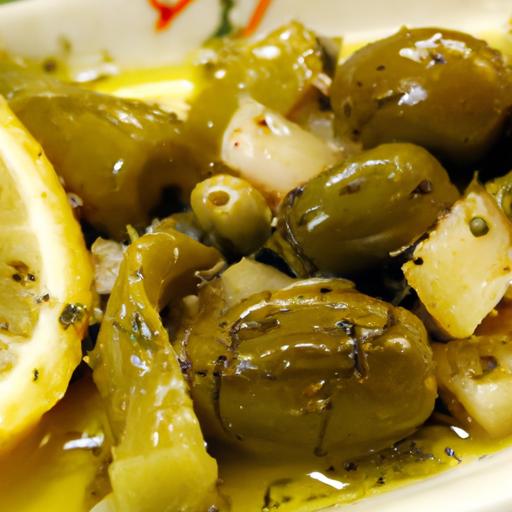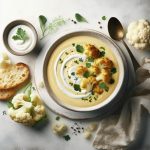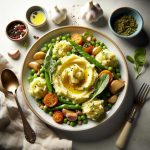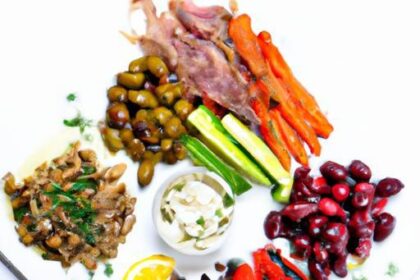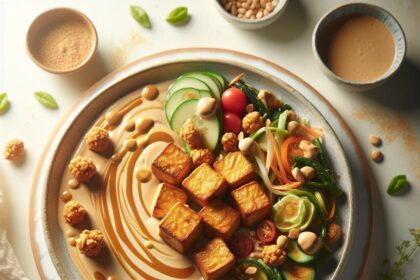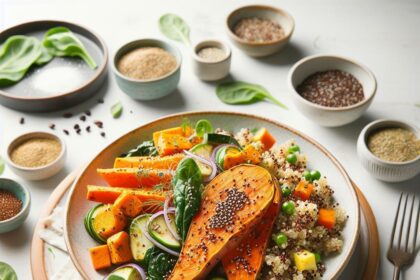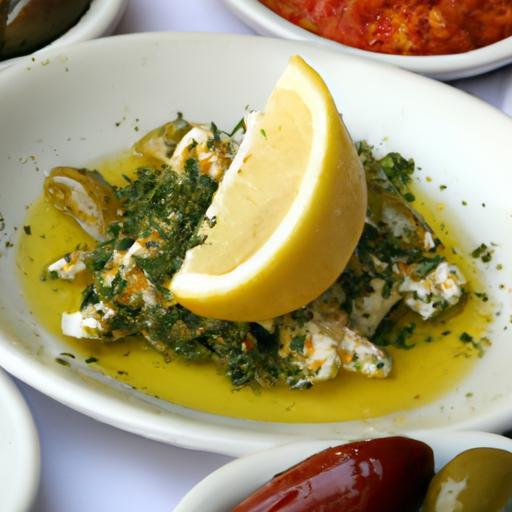

In the heart of Mediterranean cuisine lies a tradition as ancient as the olive trees themselves-Zeytinyağlı, the art of olive oil dishes. More than just a method of cooking, Zeytinyağlı represents a philosophy of simplicity, freshness, and harmony with nature. This culinary craft transforms humble ingredients into vibrant, fragrant meals that celebrate the golden nectar of olives. Join us as we delve into the world of Zeytinyağlı, uncovering its history, techniques, and the irresistible flavors that have made it a timeless symbol of health and heritage.
Discovering Zeytinyağlı brings us face-to-face with a centuries-old culinary tradition that celebrates the bountiful gifts of the Mediterranean: fresh vegetables gently simmered in premium olive oil. These dishes carry the warmth of sun-soaked shores, embodying a simple, wholesome approach to cooking that’s as nourishing for the body as it is for the soul. Growing up near the Aegean coast, I often watched my grandmother prepare zeytinyağlı vegetables, their colors vibrant and their aromas inviting-each bite revealing layers of subtle flavors infused by slow cooking and lovingly poured olive oil.
Prep and Cook Time
Preparation: 20 minutes | Cooking: 45 minutes | Total: 1 hour 5 minutes
Yield
Serves 4 as a main or 6 as a mezze
Difficulty Level
Medium – perfect for cooks comfortable with vegetable prep and slow simmering techniques
Essential Ingredients for Authentic Zeytinyağlı Dishes
- 1/2 cup extra virgin olive oil – the star ingredient, cold-pressed and fruity
- 3 large carrots, peeled and sliced diagonally
- 2 medium zucchinis, cut into thick rounds
- 1 large onion, thinly sliced
- 3 garlic cloves, minced
- 2 medium potatoes, peeled and cubed
- 1 red bell pepper, seeded and sliced
- Juice of 1 lemon – for brightness
- 2 teaspoons sugar – to balance acidity
- Salt and freshly ground black pepper to taste
- Fresh parsley for garnish
Instructions
- Heat the olive oil in a wide, heavy-bottomed pot over medium heat until shimmering but not smoking.
- Add the sliced onions and sauté until soft and translucent, about 5 minutes, stirring frequently to prevent browning.
- Stir in the minced garlic and cook for 1 minute until fragrant-avoid burning.
- Layer the vegetables (carrots, potatoes, zucchini, and red bell pepper) in the pot, arranging them evenly without stirring too much to preserve shape and texture.
- Pour in the lemon juice, sprinkle sugar, salt, and pepper, then gently add 1 cup of warm water, just enough to reach halfway up the vegetables.
- Cover the pot with a tight-fitting lid and reduce heat to low. Let simmer gently for about 40 minutes, or until the vegetables are tender but still hold their shape. Avoid stirring to retain vibrant colors.
- Once cooked, turn off heat and allow the dish to cool to room temperature in the pot-this helps the flavors meld beautifully.
- Transfer to a serving dish and garnish with a generous sprinkling of freshly chopped parsley before serving.
Tips for Success in Discovering Zeytinyağlı Olive Oil Dishes
Choosing the right olive oil is crucial; seek out high-quality, cold-pressed, extra virgin bottles with fruity and grassy notes to maximize flavor. For a textural contrast, try adding diced green beans or fresh peas in the last 10 minutes of cooking. If you prefer a tangier note, substitute half of the lemon juice with white wine vinegar.
Slow, gentle simmering prevents ingredients from breaking down and keeps flavors delicate and layered-a hallmark of zeytinyağlı. Avoid rapid boiling or stirring to maintain the integrity of the vegetables. Prepare these dishes a few hours ahead or even the day before, as the flavors deepen wonderfully when rested.
Serving Suggestions: Presenting Zeytinyağlı with Elegance
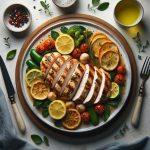
Serve chilled or at room temperature alongside warm crusty bread or over a bed of fluffy rice to soak up the luscious olive oil and citrusy juices. A drizzle of additional olive oil just before serving elevates the dish’s silkiness. On the side, consider a light yogurt dip flavored with dill or mint for a creamy contrast. Garnish with fresh herbs like parsley or dill and thin lemon slices for a fresh, inviting plate.

Nutrition at a Glance
| Nutrient | Per Serving |
|---|---|
| Calories | 190 kcal |
| Protein | 3 g |
| Carbohydrates | 18 g |
| Fat | 12 g |
For a deeper dive into Mediterranean flavors, explore our article on Mediterranean Diet Essentials and visit International Olive Council for expert insights on olive oil varieties.
Q&A
Q&A: Discovering Zeytinyağlı – The Art of Olive Oil Dishes
Q1: What exactly is Zeytinyağlı, and why is it considered an art?
A1: Zeytinyağlı refers to a vibrant category of Turkish cuisine centered around vegetables and legumes cooked gently in olive oil. It’s considered an art because it transforms simple, humble ingredients into harmonious, fragrant dishes that highlight the delicate flavor of high-quality olive oil. The technique requires patience, balance, and respect for seasonal produce, turning everyday meals into edible masterpieces.
Q2: How did Zeytinyağlı dishes originate, and what cultural significance do they hold?
A2: Originating from the Mediterranean basin where olive oil is a staple, Zeytinyağlı dishes have roots in the Aegean region of Turkey. Historically, these dishes were favored during fasting periods and warm months due to their light and nourishing qualities. Culturally, they symbolize health, simplicity, and the close relationship between the Turkish people and their land’s fertile olive groves.
Q3: What makes olive oil the hero ingredient in these dishes?
A3: Olive oil is much more than a cooking medium in Zeytinyağlı – it’s the soul. Its fruity, slightly peppery notes infuse every bite, elevating natural ingredient flavors without overpowering them. Its health benefits, rich in antioxidants and heart-healthy fats, add another layer of value. The slow simmer in olive oil also preserves vibrant colors and nutrients, making each dish a feast for the senses.
Q4: Can you describe a classic Zeytinyağlı dish and how it’s prepared?
A4: One classic example is Zeytinyağlı Enginar (artichokes in olive oil). Fresh artichokes are trimmed and gently cooked with carrots, potatoes, onions, and peas in a bath of olive oil, lemon juice, and sometimes a touch of sugar. The secret is slow cooking at low heat to coax out subtle flavors and achieve melt-in-the-mouth texture. Served cold or at room temperature, it’s a refreshing taste of the Mediterranean sunshine.
Q5: How can home cooks start experimenting with Zeytinyağlı dishes?
A5: Start simple with seasonal vegetables you enjoy-green beans, eggplants, or zucchini-and find a good extra virgin olive oil to bring out authentic flavors. Remember, patience is key: cook slowly with gentle simmering, avoid heavy seasoning, and let the olive oil shine. Exploring recipes from the Aegean region can be a great introduction to this wholesome culinary tradition.
Q6: What are the key health benefits of regularly incorporating Zeytinyağlı into your diet?
A6: These dishes are naturally low in saturated fats and rich in plant-based nutrients. Olive oil’s antioxidant properties help combat inflammation and promote heart health, while the abundance of vegetables boosts fiber intake, digestion, and overall vitality. Eating Zeytinyağlı is not just a nutritional choice-it’s an embrace of mindful, balanced living.
Q7: How does Zeytinyağlı reflect the broader philosophy of Mediterranean cuisine?
A7: At its core, Zeytinyağlı embodies Mediterranean cuisine’s reverence for simplicity, freshness, and harmony between food and nature. It celebrates local, seasonal ingredients prepared with care and respect, emphasizing balance over complexity. This philosophy nurtures both body and soul, crafting dishes that are as nourishing as they are delicious-a true culinary art form that invites sharing and connection.
Closing Remarks
As we close the chapter on our journey through the vibrant world of Zeytinyağlı, it becomes clear that these olive oil dishes are more than just recipes-they are edible stories woven from the sun-soaked groves of the Mediterranean. Each bite reveals a harmonious dance of fresh vegetables, fragrant herbs, and the golden elixir that elevates them all. Embracing Zeytinyağlı is embracing a timeless tradition that celebrates simplicity, health, and the rich tapestry of Turkish culinary heritage. So next time you reach for that bottle of olive oil, remember: with a little creativity and a touch of passion, you’re not just cooking-you’re crafting art on a plate.