
In the world of culinary classics, few dishes capture the essence of freshness and tradition quite like tzatziki. This creamy cucumber delight, with its luscious blend of tangy yogurt, crisp cucumbers, garlic, and fragrant herbs, has woven itself into the tapestry of Mediterranean cuisine as a timeless favorite. “Timeless Tzatziki: Creamy Cucumber Delight Unveiled” invites you on a flavorful journey to explore the secrets behind this iconic sauce-from its ancient roots to modern variations that continue to enchant palates around the globe. Prepare to uncover the artistry and simplicity that make tzatziki not just a condiment, but a celebration of wholesome, vibrant ingredients in perfect harmony.
Timeless Tzatziki, the creamy cucumber delight, is a cornerstone of Mediterranean cuisine that has charmed palates worldwide with its refreshing, zesty character. Rooted in the culinary traditions of Greece and the broader Balkans, this humble yet vibrant sauce carries centuries of cultural significance-from coastal tavernas to festive family tables. Its silky texture paired with invigorating hints of dill and garlic creates a perfect harmony, illustrating how simple ingredients, when thoughtfully combined, achieve timeless appeal.
Prep and Cook Time
- Preparation: 15 minutes
- Resting Time: 30 minutes (to meld flavors)
- Total: 45 minutes
Yield
- Approximately 2 cups (serves 4-6 as a side or dip)
Difficulty Level
- Easy
Ingredients
- 1 large English cucumber, peeled and grated
- 2 cups Greek yogurt, full-fat for creamier texture
- 3 garlic cloves, minced
- 2 tablespoons fresh dill, finely chopped
- 1 tablespoon extra virgin olive oil
- 1 tablespoon freshly squeezed lemon juice
- 1/2 teaspoon sea salt
- 1/4 teaspoon freshly ground black pepper
- Optional: a pinch of dried mint for an herbal twist
Instructions
- Drain the cucumber: After grating the cucumber, place it in a clean kitchen towel and squeeze firmly to extract excess water. This step is crucial to avoid a watery tzatziki and to achieve its signature creamy texture.
- Mix the base: In a medium bowl, combine the Greek yogurt, minced garlic, lemon juice, olive oil, salt, and black pepper. Stir gently to blend the flavors without overmixing.
- Add cucumber and herbs: Fold in the drained cucumber and freshly chopped dill (and dried mint if using) slowly. Ensure even distribution for balanced bites bursting with freshness.
- Rest and refrigerate: Cover the tzatziki tightly and refrigerate for at least 30 minutes. This allows the flavors to meld beautifully and the garlic to mellow, deepening the overall taste.
- Final taste check: Before serving, taste and adjust seasoning with additional salt, lemon juice, or olive oil as needed to suit your palate.
Tips for Success
- Choosing cucumbers: Opt for English cucumbers to avoid bitterness and excessive seeds, which can dilute the sauce’s creamy consistency.
- Yogurt selection: For authentic tang and richness, use Greek yogurt with at least 3.5% fat content. Homemade strained yogurt is a fantastic alternative for a velvety base.
- Garlic intensity: If you prefer a subtler garlic flavor, reduce the amount or lightly roast garlic cloves before mincing.
- Make ahead: Tzatziki tastes even better after a few hours or overnight, making it a perfect make-ahead condiment.
- Texture tip: For a chunkier tzatziki, pulse the cucumber briefly in a food processor instead of grating.
Serving Suggestions
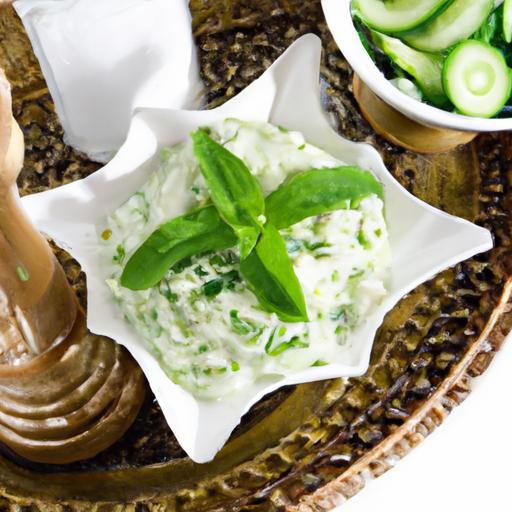
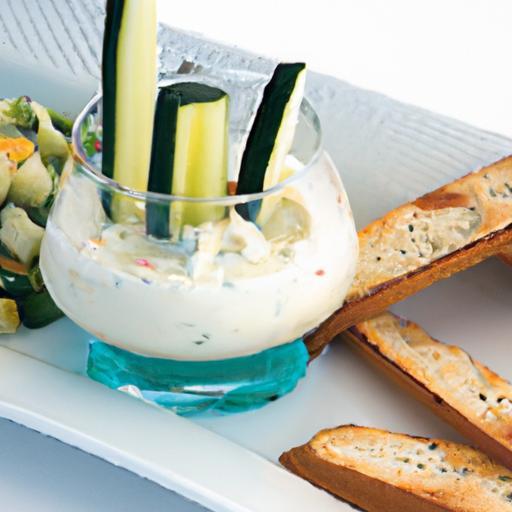
Present your luscious tzatziki drizzled with extra virgin olive oil and a sprinkle of fresh dill or paprika for a visually inviting contrast. Serve it chilled alongside warm pita bread, grilled lamb skewers, or vibrant vegetable platters. It also excels as a cooling spread in wraps or a creamy dip for crispy fries and roasted potatoes-making it a versatile companion for every table.
| Nutrient | Per 1/4 cup Serving |
|---|---|
| Calories | 60 |
| Protein | 4.5g |
| Carbohydrates | 3g |
| Fat | 3.5g |
For those eager to explore the broader world of Mediterranean flavors, discover our collection of Greek meze recipes to complement this creamy cucumber delight. To understand the traditional crafting of yogurt, take a look at this comprehensive guide from Encyclopaedia Britannica.

Q&A
Q&A: Timeless Tzatziki – Creamy Cucumber Delight Unveiled
Q1: What is tzatziki and why is it considered timeless?
A1: Tzatziki is a traditional Greek dip made primarily from strained yogurt, fresh cucumbers, garlic, olive oil, and herbs like dill or mint. Its timelessness lies in its simplicity and versatility-offering a refreshing balance of creamy and tangy flavors that have delighted taste buds for centuries across the Mediterranean.
Q2: What makes tzatziki different from other yogurt-based dips?
A2: Unlike many creamy dips, tzatziki highlights the crisp, cooling qualities of cucumber blended seamlessly with thick, tangy yogurt. The addition of garlic and herbs infuses it with a distinct aromatic charm, making it both refreshing and robust-a perfect palate cleanser or accompaniment.
Q3: How do you achieve the perfect creamy texture in tzatziki?
A3: The secret to luscious tzatziki is using high-quality, full-fat strained Greek yogurt and properly preparing the cucumber. After grating, the cucumber must be thoroughly drained or squeezed to remove excess water-preventing a watery dip. This creates a silky, thick texture that clings beautifully to bread, veggies, or grilled meats.
Q4: Can tzatziki be customized beyond the classic recipe?
A4: Absolutely! While the classic tzatziki remains a favorite, modern twists can include ingredients like lemon zest for brightness, roasted garlic for mellow sweetness, or fresh herbs such as cilantro or parsley in place of dill. Some chefs even add a touch of spice with chili flakes or smoked paprika to give it a unique edge.
Q5: What are the best dishes or occasions to enjoy tzatziki?
A5: Tzatziki is incredibly versatile-perfect as a dip for pita bread and vegetables, a sauce for grilled lamb or chicken skewers, and a cooling complement to spicy dishes. It shines in Mediterranean feasts, summer barbecues, or even as a refreshing spread on sandwiches and wraps.
Q6: How can one store tzatziki without losing its freshness?
A6: To keep tzatziki fresh, store it in an airtight container in the refrigerator. Its flavors actually deepen after a few hours, but it’s best consumed within 2-3 days for peak creaminess and brightness. Stir well before serving to redistribute the flavors and texture.
Q7: Why is tzatziki a healthy addition to your diet?
A7: Packed with probiotics from yogurt and rich in hydrating cucumber, tzatziki is a nutrient-rich, low-calorie option. It’s an excellent source of protein, calcium, and vitamins, making it a wholesome choice that supports digestion and boosts hydration while satisfying your cravings with its creamy indulgence.
Dive into this creamy cucumber delight and savor a dip that’s as ancient as it is loved-timeless tzatziki, truly a culinary treasure unveiled.
Key Takeaways
As the cool, creamy embrace of tzatziki continues to win hearts across tables and cuisines, its timeless allure is anything but fleeting. This humble cucumber delight, rooted in tradition yet endlessly versatile, invites us all to savor the perfect harmony of fresh herbs, tangy yogurt, and refreshing crunch. Whether dolloped atop grilled meats, swirled into vibrant salads, or simply enjoyed with warm pita, tzatziki remains a culinary masterpiece-an evergreen testament to how the simplest ingredients can create the most unforgettable flavors. So next time you crave a taste of Mediterranean magic, remember: the secret to a truly timeless dish is just a spoonful away.