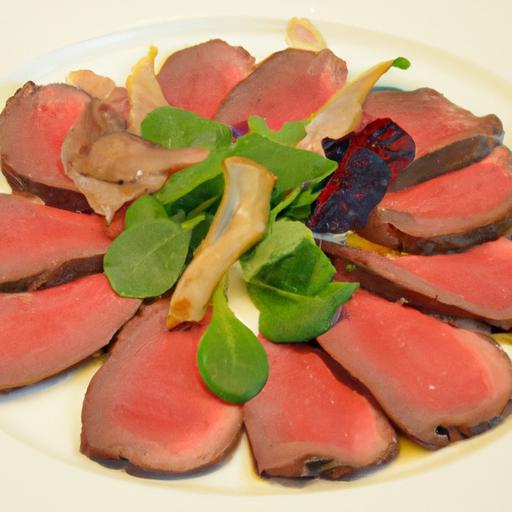

Spain is a vibrant tapestry of culture, color, and most importantly, flavor. From the sun-drenched coasts of Andalusia to the bustling markets of Barcelona, Spanish cuisine offers a rich, sensory journey that invites you to taste tradition with every bite. In this article, we embark on a culinary adventure to unlock the essence of Spain’s authentic flavors through our ultimate go-to recipe. Whether you’re a seasoned foodie or a curious beginner, get ready to savor the heart and soul of Spanish cooking – where simple ingredients, bold spices, and heartfelt passion come together to create unforgettable dishes that celebrate life itself.
Savor Spain: Our Ultimate Go-To Recipe for Authentic Flavors awakens your kitchen with vibrant colors, rich aromas, and centuries-old culinary craftsmanship. This dish is more than a meal; it’s a journey through Spain’s sun-drenched markets and rustic hearths, honoring time-honored ingredients such as smoky paprika, fragrant saffron, and extra-virgin olive oil. Rooted in tradition yet approachable for home cooks, every bite brings the Mediterranean’s perfectly balanced flavors to your table with ease and authenticity.
Prep and Cook Time
Preparation: 20 minutes
Cooking: 45 minutes
Total Time: 1 hour 5 minutes
Yield
Serves 4 hearty portions
Difficulty Level
Medium – Perfect for adventurous cooks wanting to refine traditional Spanish techniques
Ingredients
- 2 cups bomba rice (or short-grain Spanish rice)
- 4 cups homemade or quality chicken broth, warmed
- 1/4 cup extra-virgin olive oil
- 1 medium onion, finely chopped
- 3 cloves garlic, minced
- 1 red bell pepper, diced
- 1 large ripe tomato, grated or finely chopped
- 1 tsp smoked paprika (pimentón de la vera)
- A pinch of saffron threads, soaked in 2 tbsp warm broth
- 1/2 lb fresh green beans, trimmed and chopped
- 12 large shrimp or prawns, peeled and deveined
- 8 mussels, scrubbed and debearded
- 1 lemon, cut into wedges for garnish
- Sea salt and freshly ground black pepper, to taste
- Fresh flat-leaf parsley, chopped for garnish
Instructions
- Prepare the sofrito: Warm olive oil in a wide, heavy-bottomed pan over medium heat. Add chopped onion, sauté until translucent and soft, about 5 minutes. Stir in garlic and diced red bell pepper, cooking gently until softened, approximately 4 minutes.
- Build the flavor base: Add grated tomato and smoked paprika to the sofrito. Cook over low heat until the tomato has lost most of its moisture and the mixture turns rich and fragrant, about 8 minutes.
- Add the rice: Stir in bomba rice, coating the grains thoroughly with the sofrito mixture. Toast the rice lightly, about 2 minutes, stirring often to avoid burning.
- Combine broth and saffron: Pour in warm chicken broth along with saffron-infused liquid. Season with sea salt and pepper. Stir gently just once to distribute ingredients evenly, then allow to simmer uncovered over medium heat.
- Cook the vegetables: After 10 minutes, nestle chopped green beans into the rice. Continue simmering, breaking the surface gently without stirring to develop the coveted socarrat – the toasted, crispy bottom layer.
- Add seafood: When liquid reduces halfway (around 15 minutes later), arrange shrimp and mussels on top. Cover with a lid or foil, cooking until shrimp turn pink and mussels open, about 8 minutes.
- Rest before serving: Remove from heat and let the dish rest for 5 minutes, allowing the flavors to meld perfectly.
Tips for Success
- Use bomba rice: Its unique ability to absorb liquid without becoming mushy is key to authentic texture.
- Patience matters: Resist the temptation to stir after adding broth; this ensures you develop the delightful crust called socarrat.
- Saffron soak: Always soak saffron threads in warm broth before adding, to fully bloom its color and aroma.
- Seafood alternatives: Feel free to swap shrimp and mussels with clams or squid for varied coastal tastes.
- Make ahead: Prepare the sofrito and stock in advance to streamline cooking day.
Serving Suggestions
Present this vibrant dish in a shallow, wide pan for a rustic, inviting look. Garnish generously with freshly chopped flat-leaf parsley and bright lemon wedges for zesty brightness. Pair with a chilled glass of dry Spanish white wine such as Albariño or Rías Baixas for an authentic Mediterranean dining experience at home.

| Nutrient | Per Serving |
|---|---|
| Calories | 410 kcal |
| Protein | 28 g |
| Carbohydrates | 48 g |
| Fat | 12 g |
For more inspiration on Mediterranean cuisine and to deepen your culinary repertoire, explore our Mediterranean Kitchen Classics or visit the authoritative Spanish Food Guide for detailed cultural insights.
Q&A
Q&A: Savor Spain – Your Ultimate Guide to Authentic Flavors
Q1: What inspired the creation of “Savor Spain: Our Ultimate Go-To Recipe for Authentic Flavors”?
A1: Spain’s rich culinary tapestry is a vibrant mosaic of history, culture, and passion. We wanted to capture that vivid essence in a single, approachable recipe that anyone can make at home. “Savor Spain” isn’t just about food; it’s about tasting tradition, embracing the rustic soul of Spanish kitchens, and sharing a story on every plate.
Q2: What makes this recipe the “ultimate” go-to for authentic Spanish flavors?
A2: Authenticity in cooking comes from simplicity, quality ingredients, and respect for heritage. Our recipe distills the heart of Spanish cuisine-think garden-fresh tomatoes, fragrant smoked paprika, and a drizzle of the finest olive oil-into a preparation that’s as genuine as the motherlands from which it hails. It’s ultimate because it balances tradition with easy execution, ensuring you savor every bite like a local.
Q3: Can you highlight some key ingredients that define Spanish cuisine in your recipe?
A3: Absolutely! Spanish cooking bursts with character thanks to ingredients like pimentón (smoked paprika), saffron, garlic, fresh tomatoes, and Iberian olive oil. Our recipe spotlights these essentials, along with flavors like manchego cheese or fresh herbs such as parsley and thyme, to evoke the sophisticated simplicity of Spanish fare.
Q4: How accessible is this recipe for someone new to Spanish cooking?
A4: Extremely accessible! We’ve designed the recipe to welcome novices and seasoned cooks alike. The steps are straightforward, and the required ingredients are mostly pantry staples or easy to find in specialty stores. It’s an invitation to embark on a culinary journey without needing a plane ticket or a culinary degree.
Q5: What’s the best way to serve and enjoy this dish to maximize the authentic experience?
A5: Serve it with rustic bread for dipping and a glass of Rioja or chilled Albariño wine. Pair it with lively conversation and the warmth of good company-because Spanish cuisine is as much about community and celebration as it is about food. The true flavor blossoms when shared.
Q6: Can this recipe be adapted for different dietary preferences or restrictions?
A6: Of course! Spanish cuisine is remarkably versatile. For a vegetarian twist, emphasize vegetables and legumes. For those avoiding gluten, pair the dish with gluten-free bread or rice. The core flavors remain intact, ensuring authenticity doesn’t get compromised.
Q7: What cultural insights can readers gain from cooking this Spanish recipe?
A7: Cooking this recipe opens a window into Spanish culture-its love for fresh, seasonal ingredients, its emphasis on convivial dining, and its deep connection to tradition and family. Each ingredient and technique tells a story, inviting you to savor not just flavors, but centuries of culture.
Q8: Are there any historical or regional stories behind the dish featured in “Savor Spain”?
A8: Indeed! Many Spanish dishes carry the imprint of their regions-Andalusia’s Moorish influences, Catalonia’s Mediterranean bounty, or Galicia’s Atlantic freshness. Our recipe borrows elements that pay homage to these regional identities, creating a mosaic that invites exploration of Spain one bite at a time.
Q9: What tip would you give to home cooks to truly “master” the flavors of Spain?
A9: Embrace patience and simplicity. Let high-quality ingredients speak for themselves, don’t rush the cooking process, and remember to taste as you go. Cooking Spanish food is less about complex techniques and more about layering flavors patiently and thoughtfully-just like life in Spain itself.
Q10: Why is it important to preserve and share recipes like this one in today’s fast-paced world?
A10: In an age of convenience and instant gratification, preserving traditional recipes anchors us to our roots and connects us to stories beyond the plate. Sharing them fosters appreciation, cultural exchange, and a slower, more mindful way of enjoying food-ensuring that the soulful flavors of Spain thrive across generations and borders.
Wrapping Up
As our culinary journey through Spain draws to a close, you’re now equipped with the ultimate recipe to bring authentic Spanish flavors right into your kitchen. Savor Spain isn’t just about ingredients or techniques-it’s about embracing a vibrant culture, a history rich with passion, and the simple joy of sharing a meal. So, dust off your paella pan, gather your freshest saffron and ripe tomatoes, and let each bite transport you to sun-drenched plazas and lively family gatherings. Remember, the true secret to savoring Spain lies not just in the recipe, but in the stories and spirit it carries. ¡Buen provecho!