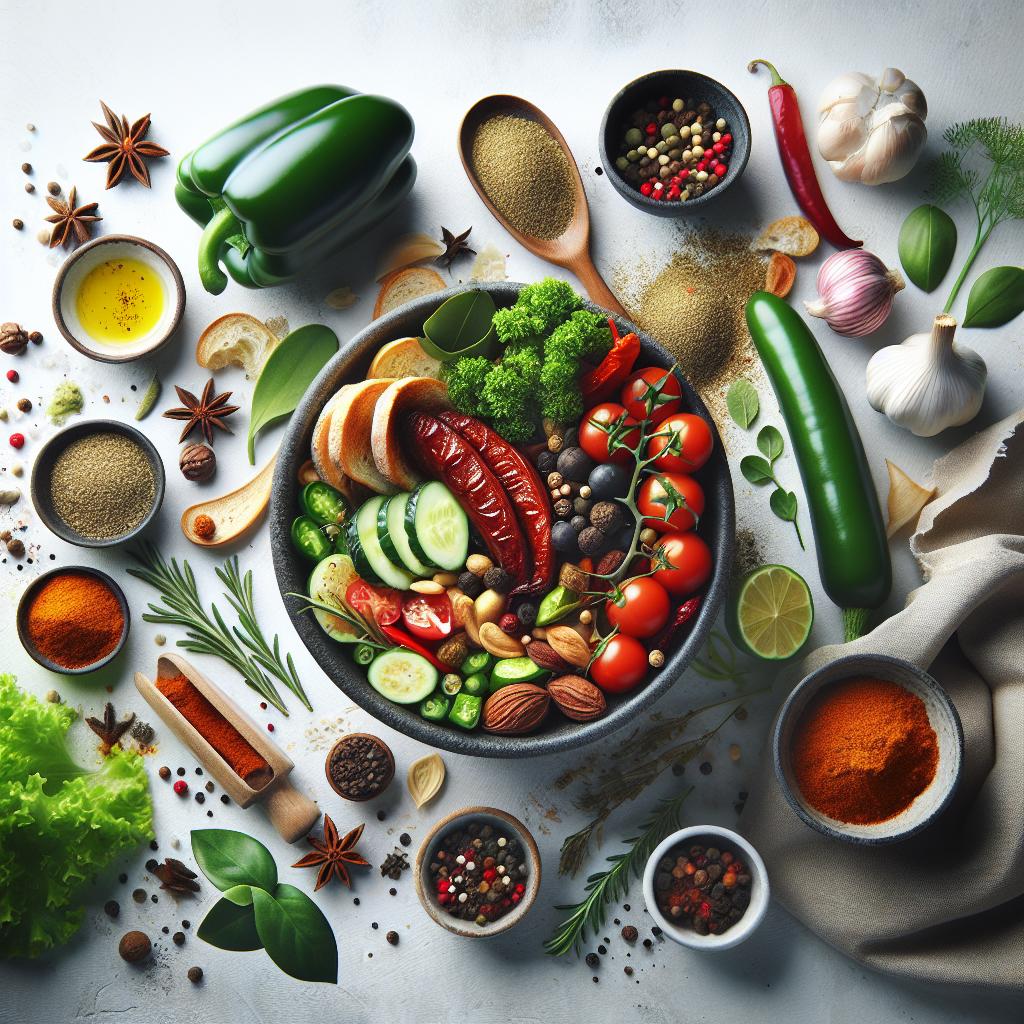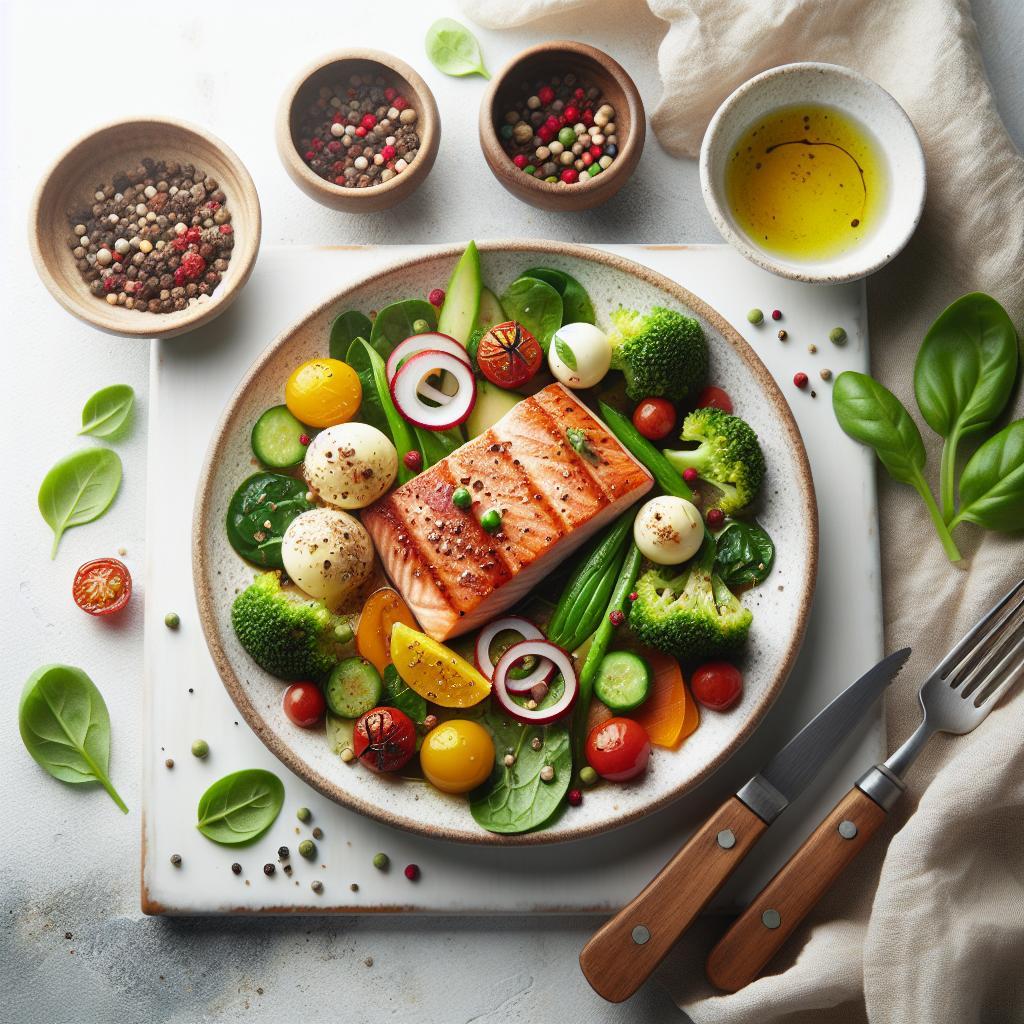

In kitchens around the world, the magic of a perfectly seasoned stew or broth often hinges on a small but mighty secret: the sachet d’épices. This unassuming bundle of herbs and spices, neatly tied and slipped into simmering pots, acts as an invisible conductor, orchestrating layers of flavor without overpowering the dish. But what exactly goes into a sachet d’épices? How does this fragrant package transform a recipe from simple to sensational? Join us as we peel back the folds of this timeless culinary tool, revealing the secrets, variations, and tips that make the sachet d’épices a must-have for any flavorful adventure.
Understanding the Art of Sachet d’Épices and Its Culinary Origins
Understanding the art of sachet d’épices opens a doorway to a world where bold flavors quietly infuse your dishes with unrivaled depth. This time-honored French technique dates back centuries, rooted in classic French cuisine but embraced by kitchens globally to impart aromatic complexity without the hassle of straining loose spices. A personal favorite from my culinary journey, the sachet d’épices transforms everyday stocks, stews, and sauces into elegant masterpieces-each bundle a fragrant promise waiting to be unraveled.
Prep and Cook Time
- Preparation: 10 minutes
- Cooking: 1 to 3 hours (depending on recipe)
- Total: 1 hour 10 minutes to 3 hours 10 minutes
Yield
- Enough sachet for multiple dishes-reusable
Difficulty Level
- Easy to Medium
Essential Ingredients That Unlock Bold Flavors in Your Spice Bundle
- 2 bay leaves, dried or fresh
- 5 whole black peppercorns
- 4 dried thyme sprigs
- 1 small cinnamon stick
- 3 whole cloves
- 1 teaspoon coriander seeds
- Fresh parsley stems, a small handful
- Cheesecloth or muslin fabric, approx. 6″x6″ squares
- Kitchen twine or cotton string
How to Craft the Perfect Sachet for Different Cooking Techniques
- Arrange your spices: Lay the bay leaves flat on the center of the cheesecloth to create a fragrant base.
- Add the peppercorns, cloves, coriander, cinnamon stick, thyme, and parsley stems atop the bay leaves. Each ingredient plays a unique role: bay leaves offer subtle bitterness, peppercorns bring heat, cinnamon warms, and herbs add freshness.
- Gather the edges of the cheesecloth into a neat bundle, forming a tight pouch.
- Secure the bundle tightly with kitchen twine, ensuring no spices escape during cooking.
- For simmering soups and stocks: Lower the sachet into the pot at the start and allow gentle infusing during the entire cooking process.
- For roasting or braising: Place the sachet near the meat to release aromatic steam without overpowering.
Expert Tips for Preserving and Reusing Your Sachet d’Épices
Once your sachet d’épices becomes saturated with flavors, don’t discard it. After cooling, unwrap and allow the spices to dry on a tray-air drying helps extend their potency. Store in an airtight jar away from light and moisture. When ready, refresh the bundle by adding fresh herbs or whole spices for a second infusion. This sustainable approach maximizes your ingredients’ utility while enhancing meal after meal. If the sachet becomes too dry or loses aroma, simply replace with a fresh bundle.
Instructions
- Prepare the cheesecloth: Cut into 6″x6″ squares for handy spice pouches.
- Layer spices on each cloth square.
- Gather and securely tie. Be sure the twine is snug but not so tight the cloth tears.
- Immerse sachet into cooking vessel. Add at the start of long-simmer recipes or near the meat for roasting.
- Remove carefully. Use tongs to fish out sachet before serving or blending your dish.
- Dry and reuse as desired.
Chef’s Notes
- Swap or add spices like star anise or dried lemon peel to customize flavor profiles.
- Skip the cinnamon stick for a lighter herbal blend, ideal for chicken stocks.
- Use disposable coffee filters for sachets if cheesecloth isn’t handy.
- Make sachets in bulk and freeze wrapped bundles for quick access.
- For vegetarian dishes, omit meat-centric spices-focus on herbs and citrus zest instead.
Serving Suggestions
The sachet d’épices is a background hero-it doesn’t serve directly but elevates your dish’s aroma and flavor. For best results, highlight dishes where the infused broth or sauce shines: French onion soup, classic beef stew, aromatic chicken stock, or rich vegetable ragouts. Garnish with fresh herbs like parsley or chives to complement the aromatic depth from your sachet and balance the savory richness on the plate.

| Ingredient | Flavor Profile | Common Use |
|---|---|---|
| Bay Leaf | Mild bitterness, herbal | Stocks, soups, stews |
| Black Peppercorns | Spicy heat | Universal seasoning |
| Cinnamon Stick | Warm, sweet | Brown sauces, braises |
| Thyme | Earthy, floral | Meats, vegetables |
| Cloves | Sweet, pungent | Sauces, roasts |
Discover more about traditional French culinary techniques in our related article Classic French Stocks and Sauces Explained. For an authoritative reference on spice blending and grilling techniques, visit the Serious Eats website.
Q&A
Q&A: Unveiling the Sachet d’Épices – Spice Bundle Secrets Explained
Q1: What exactly is a sachet d’épices?
A: Think of a sachet d’épices as a little treasure chest of flavors-a small, porous pouch filled with an array of aromatic spices and herbs. It’s designed to infuse soups, stews, stocks, and sauces with depth and complexity while keeping the spices contained for easy removal.
Q2: Why use a sachet d’épices instead of tossing spices directly into a dish?
A: Using a sachet d’épices is like giving your kitchen concoction a neat little infusion-no stray bay leaves hiding in your broth and no peppercorns crunching unexpectedly in your stew. It allows for easy extraction once the desired flavor intensity is reached, ensuring a smooth and balanced taste experience.
Q3: What spices and herbs are typically included in a sachet d’épices?
A: The classic lineup often features bay leaves, peppercorns, thyme, parsley stems, and sometimes cloves or garlic. However, the beauty of a sachet is its versatility; you can tailor the bundle to suit the flavor profile of your dish, be it bold and spicy or fresh and herbal.
Q4: How is a sachet d’épices constructed?
A: Traditionally, it’s a simple square of cheesecloth or muslin folded into a little pouch, tied with kitchen twine. Some modern chefs use reusable spice bags or even metal infusers, but the cheesecloth sachet remains the charming, rustic favorite that lets flavors seep out while holding everything in.
Q5: Can sachet d’épices be reused?
A: Generally, sachets are single-use to avoid muddled flavors, as their charm lies in fresh spice infusions. However, if your sachet is still fragrant and looks intact, a gentle rinse and dry might grant it a second round in mild broths or stocks-but fresh is always best for vibrant flavor.
Q6: What dishes benefit most from a sachet d’épices?
A: Think hearty, slow-cooked marvels-classic French stews like boeuf bourguignon, rich chicken stocks, velvety bisques, and even simmered vegetable dishes. The sachet acts like a secret sous-chef, quietly layering in flavor complexity without the fuss.
Q7: Are there cultural variations of the sachet d’épices?
A: Absolutely! While the French sachet d’épices is iconic, many cuisines play with their own versions-think Indian masala sachets or aromatic Chinese spice pouches in five-spice blends. The concept of bundling spices for infusion spans the globe, each adapting to local herbs and tastes.
Q8: How can home cooks start experimenting with sachets?
A: Start simple-mix bay leaves, black peppercorns, and thyme in a square of cheesecloth, tie it up, and toss it into your next simmering soup or stew. From there, explore adding star anise, cinnamon sticks, or citrus peels to discover what magical aromas you can awaken in your kitchen.
Q9: What’s the key takeaway about the sachet d’épices?
A: It’s a small bundle with a big personality-an elegant, practical way to infuse dishes with layered flavors while keeping your cooking tidy. Mastering the sachet adds a touch of culinary sophistication and a whisper of tradition to your meals.
Q10: Where can I find cheesecloth or ready-made sachets?
A: Cheesecloth and kitchen twine are staples in most grocery stores or online marketplaces. For those seeking convenience, some specialty spice shops or gourmet stores offer pre-filled sachets-with all the secrets inside, ready to elevate your cooking instantly!
Final Thoughts
As the fragrant veil of the sachet d’épices is lifted, we uncover not only a bundle of spices but a timeless culinary secret-an aromatic passport that transforms ordinary dishes into extraordinary experiences. Whether tucked into simmering stews or steeped in broths, these carefully curated spice bundles are the quiet architects of flavor, weaving warmth and depth with every infusion. By understanding the art and purpose behind the sachet d’épices, home cooks and seasoned chefs alike can embark on flavorful journeys, one spice-wrapped sachet at a time. So next time you reach for that humble bundle, remember: within it lies a world of zest waiting to be unveiled.