
In the world of hummus, simplicity is the secret ingredient that transforms a humble dip into an irresistible delight. Enter olive oil-the golden elixir that elevates this beloved Middle Eastern staple from ordinary to extraordinary with just a gentle drizzle and a swift blend. More than a flavorful addition, olive oil weaves a silky texture and a luscious richness that makes every bite a creamy dream. Whether you’re a seasoned hummus enthusiast or a curious kitchen novice, embracing the art of using olive oil promises a straightforward path to hummus magic, turning everyday ingredients into a bowl of pure, savory bliss.
Drizzle and Blend: Using Olive Oil for Simple Hummus Magic transforms the humble chickpea spread into a luscious delight by integrating the perfect olive oil. This key ingredient not only adds a rich creaminess but also infuses your hummus with vibrant, fruity notes that elevate every bite. Originating from the Mediterranean, olive oil is celebrated for its depth of flavor and health benefits, making it an ideal partner for this timeless recipe. Whether you’re crafting hummus for a family gathering or elevating your everyday snack, mastering the olive oil drizzle technique will unlock new layers of texture and taste.
Prep and Cook Time
Preparation: 10 minutes | Total Time: 10 minutes
Yield
Serves 4-6 as a dip or spread
Difficulty Level
Easy
Ingredients
- 1 can (15 oz) chickpeas, drained and rinsed
- 3 tablespoons tahini, well-stirred
- 2 tablespoons freshly squeezed lemon juice
- 2 cloves garlic, minced
- 1/2 teaspoon ground cumin
- 1/4 teaspoon kosher salt
- 1/4 cup cold water
- 1/4 cup extra virgin olive oil, plus more for drizzling
- Smoked paprika, toasted pine nuts, or za’atar spice (optional toppings)
- Fresh parsley, chopped for garnish
Step-by-Step Guide to Blending Olive Oil into Your Hummus
- Prepare your ingredients. Rinse and drain the chickpeas to remove excess sodium and achieve a cleaner flavor profile.
- Combine the base. In a food processor, pulse chickpeas, tahini, lemon juice, garlic, cumin, and salt until a coarse paste forms.
- Slowly add cold water. With the processor running, drizzle in water a tablespoon at a time to reach a creamy consistency. This slows blending prevents over-thickening.
- Blend in olive oil for richness. Gradually pour in the extra virgin olive oil while blending. This step emulsifies the ingredients, resulting in a silk-smooth hummus with a vibrant sheen.
- Adjust seasoning. Taste and add more lemon juice, salt, or garlic as needed. Pulse just enough to combine.
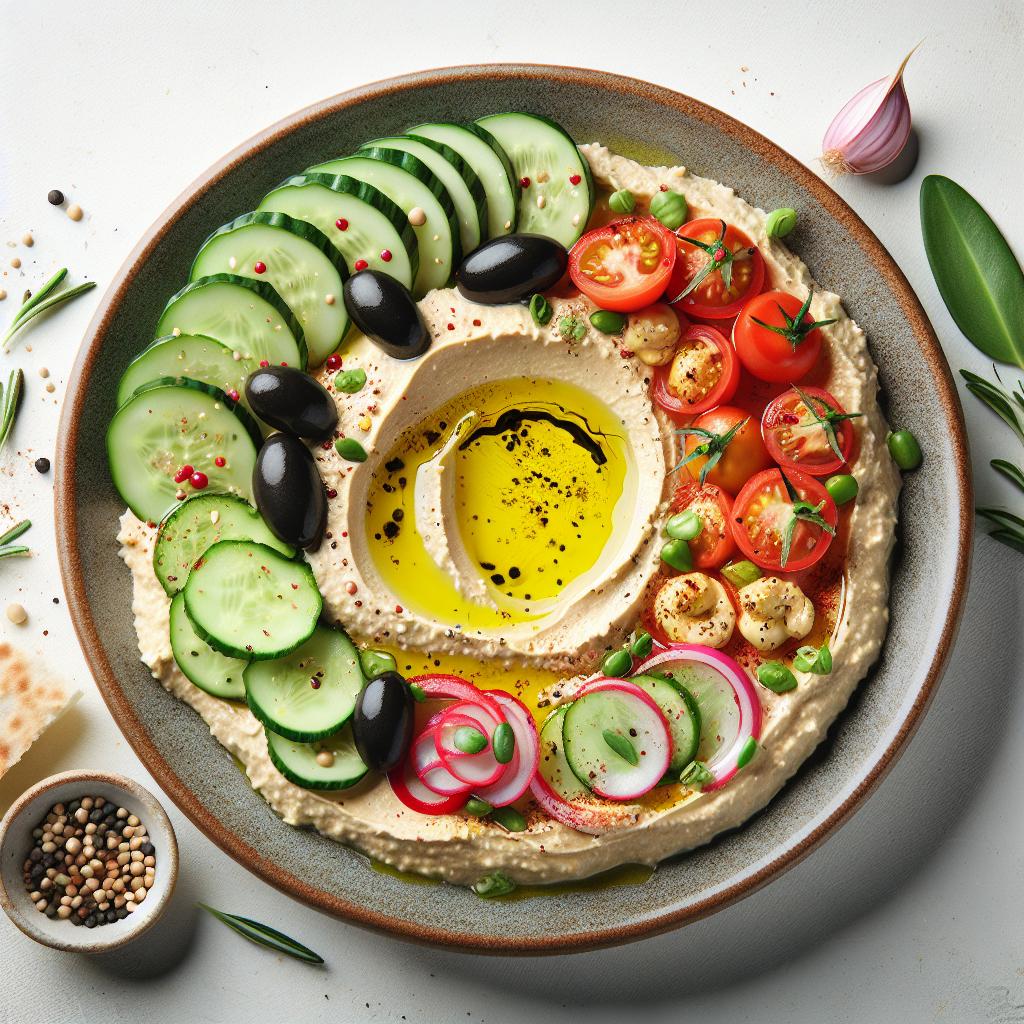
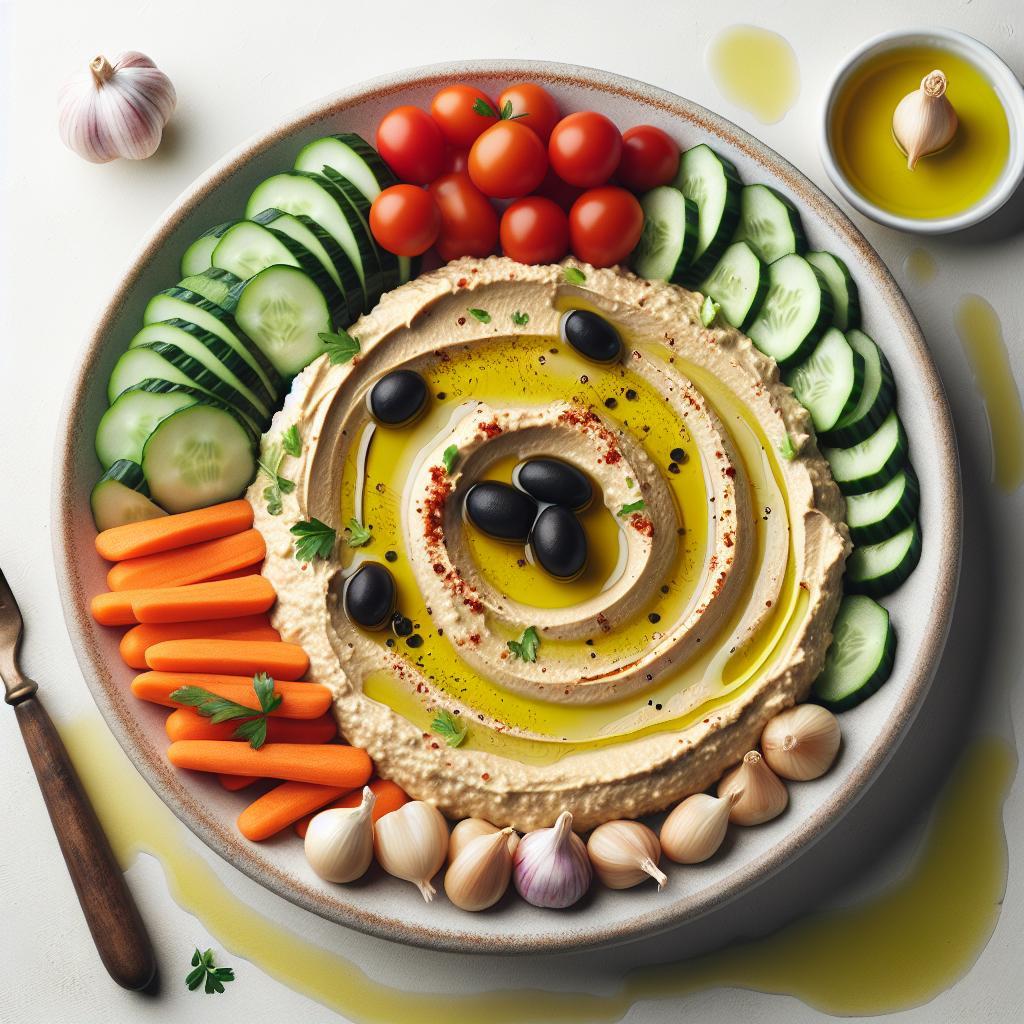
- Serve with a stunning olive oil drizzle. Spoon the hummus into a shallow bowl, creating a gentle well in the center. Drizzle about a tablespoon of olive oil, letting it pool beautifully. Sprinkle your choice of smoked paprika, toasted pine nuts, or za’atar with a touch of chopped parsley.
Choosing the Right Olive Oil for Creamy, Flavorful Results
The quality and flavor of your olive oil dramatically affect the outcome. Choose extra virgin olive oil labeled “cold-pressed” for the richest taste and smoothest texture. Fruity, peppery notes enhance the hummus without overpowering it. Avoid light or mild olive oils that lack depth. Store your oil in a cool, dark place to preserve freshness and maximize its capacity to bring out the best in your dish.
Creative Twists and Toppings to Enhance Your Olive Oil Infused Hummus
Experiment with toppings to personalize your olive oil infused hummus. Try a sprinkle of sumac or dukkah for a nutty crunch, or swirl in roasted red pepper puree for a sweet-smoky contrast. Fresh herbs like thyme or cilantro add brightness, while a few drops of chili oil introduce a tantalizing heat. These twists complement the olive oil drizzle by layering flavors and textures that excite the palate.
Chef’s Notes
- For ultra-creamy hummus, peel the chickpeas by gently squeezing between fingers; it’s time-intensive but worth it.
- If your hummus feels too thick, add ice-cold water instead of warm for a lighter texture.
- Store hummus in an airtight container with a thin olive oil layer on top to prevent oxidation and preserve flavor.
- Use a high-powered blender if possible for extra smoothness.
- Make ahead and refrigerate up to 3 days; bring to room temperature before serving and stir in a fresh drizzle of olive oil.
Serving Suggestions
Present your hummus in a wide, shallow bowl to showcase the glossy olive oil drizzle. Accompany with crunchy pita triangles, crisp vegetable sticks, or warm flatbreads. Garnish generously with fresh herbs and a dusting of spices for an eye-catching finish. For a Mediterranean-inspired platter, serve alongside olives, feta cubes, and roasted nuts to create a vibrant, shareable spread perfect for entertaining.

| Nutrient | Per Serving (2 tbsp) |
|---|---|
| Calories | 90 |
| Protein | 3 g |
| Carbohydrates | 8 g |
| Fat | 6 g |
Looking to expand your Mediterranean repertoire? Explore our Roasted Vegetable Baba Ganoush recipe for another olive oil-rich dip delight. For more on choosing quality olive oils, visit International Olive Council.
Q&A
Q&A: Drizzle and Blend – Using Olive Oil for Simple Hummus Magic
Q1: Why is olive oil considered a key player in making hummus?
A1: Olive oil elevates hummus from ordinary to extraordinary by adding richness, a silky texture, and that unmistakable fruity, peppery punch. It’s the secret ingredient that melds the flavors and creates a luscious, melt-in-your-mouth dip.
Q2: Can I use any olive oil for my hummus, or does the type matter?
A2: The type definitely matters! Extra virgin olive oil is the gold standard because it retains the freshest, most vibrant flavors. Its robust character adds depth and complexity, while a lighter or refined olive oil may taste bland or greasy.
Q3: How much olive oil should I use for the perfect hummus?
A3: A good rule of thumb is about 2 to 4 tablespoons per batch (roughly 1 to 1.5 cups of chickpeas). Start with less, blend, and drizzle more as needed. This approach lets you control creaminess and flavor without overpowering the chickpeas.
Q4: When’s the best time to add olive oil in the hummus-making process?
A4: Timing is everything! Add olive oil gradually during the blending process to emulsify the mixture smoothly. Then, finish with a final drizzle over the top just before serving for that gorgeous sheen and extra aroma-pure magic!
Q5: Can olive oil replace tahini in hummus?
A5: While olive oil adds luxurious smoothness, it doesn’t quite replicate tahini’s nutty, sesame-rich backbone. For quick, simple hummus, olive oil can shine solo, but if you love that classic depth, use both for the ultimate blend.
Q6: Are there any flavor twists using olive oil in hummus?
A6: Absolutely! Infused olive oils-think garlic, chili, or lemon-can transform your hummus into a gourmet delight. Drizzle these aromatic oils on top or swirl them into the blend for a creative, personalized spin.
Q7: Does olive oil affect hummus’s health benefits?
A7: Olive oil adds heart-healthy monounsaturated fats and antioxidants, complementing hummus’s protein and fiber content perfectly. It’s a wholesome duo that brings both flavor and nutrition to your plate.
Q8: What kind of consistency does olive oil help achieve in hummus?
A8: Olive oil works like a charm to create a luscious, creamy texture without heaviness. It binds the chickpeas and liquids together, resulting in a smooth, velvety dip that’s easy to spread or scoop.
Q9: How do I store hummus with olive oil to keep it fresh and tasty?
A9: Store hummus in an airtight container in the fridge. To maintain flavor and prevent drying, pour a thin layer of olive oil over the surface before sealing. This little olive oil blanket preserves the magic for days.
Q10: Any final tips for using olive oil to make hummus truly magical?
A10: Yes! Use quality ingredients, blend patiently, and trust your taste buds. Don’t be afraid to add a splash of olive oil here or there until your hummus hits silky perfection-it’s all about that simple drizzle and blend magic. Enjoy the creamy, green-gold goodness in every spoonful!
Closing Remarks
As the golden drizzle of olive oil cascades over your creamy hummus, it transforms a humble dish into a sensory delight-where texture and flavor dance in perfect harmony. This simple addition not only elevates taste but also unlocks the heart of Mediterranean tradition, reminding us that the most extraordinary culinary moments often start with the most straightforward ingredients. So next time you blend your chickpeas, let olive oil be your secret ingredient, turning everyday hummus into a bowl of effortless magic.