
There’s an art to harvesting herbs that transforms a simple sprig into a burst of vibrant flavor and fragrance. Whether you’re a seasoned gardener or a curious kitchen herbalist, knowing when and how to gather your herbs can make all the difference between a bland garnish and a garden-fresh masterpiece. In this guide, we’ll teach you how to harvest herbs like a pro-unlocking the secrets to peak freshness, maximum potency, and long-lasting shelf life. Get ready to elevate your culinary creations and herbal remedies with tips that bring out the very best from your green bounty.
Harvesting Herbs Like a Pro: Tips for Peak Freshness
Harvesting herbs like a pro unlocks the true essence of your garden’s bounty. When timed perfectly, herbs burst with vibrant aromas and flavors that elevate every dish. From the first morning light to the subtle golden hour, knowing when to pick is key to capturing peak freshness and potency.
Prep and Cook Time
- Preparation: 10-15 minutes (for harvesting and initial trimming)
- Preservation: 5-20 minutes (depending on method – drying, freezing, or oil infusion)
Yield
Varies based on herb type and garden size; typically yields 1-3 cups of fresh herbs per harvest session
Difficulty Level
Easy to Medium – ideal for garden novices and seasoned herb enthusiasts alike
Ingredients
- Fresh herbs ready for harvesting (basil, thyme, rosemary, mint, parsley, or cilantro)
- Sharp garden scissors or pruning shears
- Clean, breathable storage bags or mason jars
- Paper towels for drying
- Optional: Olive oil or vinegar for preservation purposes
Instructions
- Choose the optimal time to harvest: Aim to gather your herbs just after the morning dew evaporates but before the midday sun scorches their delicate oils. This period ensures the highest concentration of essential oils, locking in vibrant taste and aroma.
- Master your cutting technique: Use sharp garden scissors to snip just above a set of leaves or a leaf node; this encourages healthy regrowth. Avoid tearing or crushing stems, as bruising can reduce shelf life and herb vitality.
- Collect selectively: Don’t harvest more than one-third of a plant at once to allow natural regeneration. For bushy herbs like rosemary or thyme, focus on the newest growth for the freshest flavor.
- Clean and prepare the herbs: Rinse gently under cool water to remove dirt and insects. Pat dry carefully with paper towels or use a salad spinner to avoid bruising leaves.
- Store properly to prolong freshness: Wrap herbs loosely in damp paper towels and place them inside perforated plastic bags or glass jars. Keep in the refrigerator crisper drawer, or opt to freeze by chopping and placing them in ice cube trays filled with olive oil.
- Experiment with preservation: Try infusing olive oil or vinegar with freshly harvested herbs to create aromatic bases for dressings, marinades, or finishing drizzles. This method can also transform excess harvest into lasting pantry treasures.
Chef’s Notes
- For herbs like basil, harvesting leaves before the plant blooms maintains sweet, mild flavors; once flowering starts, the taste turns more bitter.
- When drying herbs, string small bunches upside down in a warm, airy spot away from direct sunlight to preserve color and potency.
- Storing herbs in water like cut flowers extends life for delicate varieties such as cilantro and parsley-just replace the water every two days.
- If your batch has minor wilting, quickly sautéing herbs can revive their aroma and flavor, perfect for finishing warm dishes.
- Try combining several herbs in preservation oil to create custom herb blends that reflect your garden’s personality.
Serving Suggestions
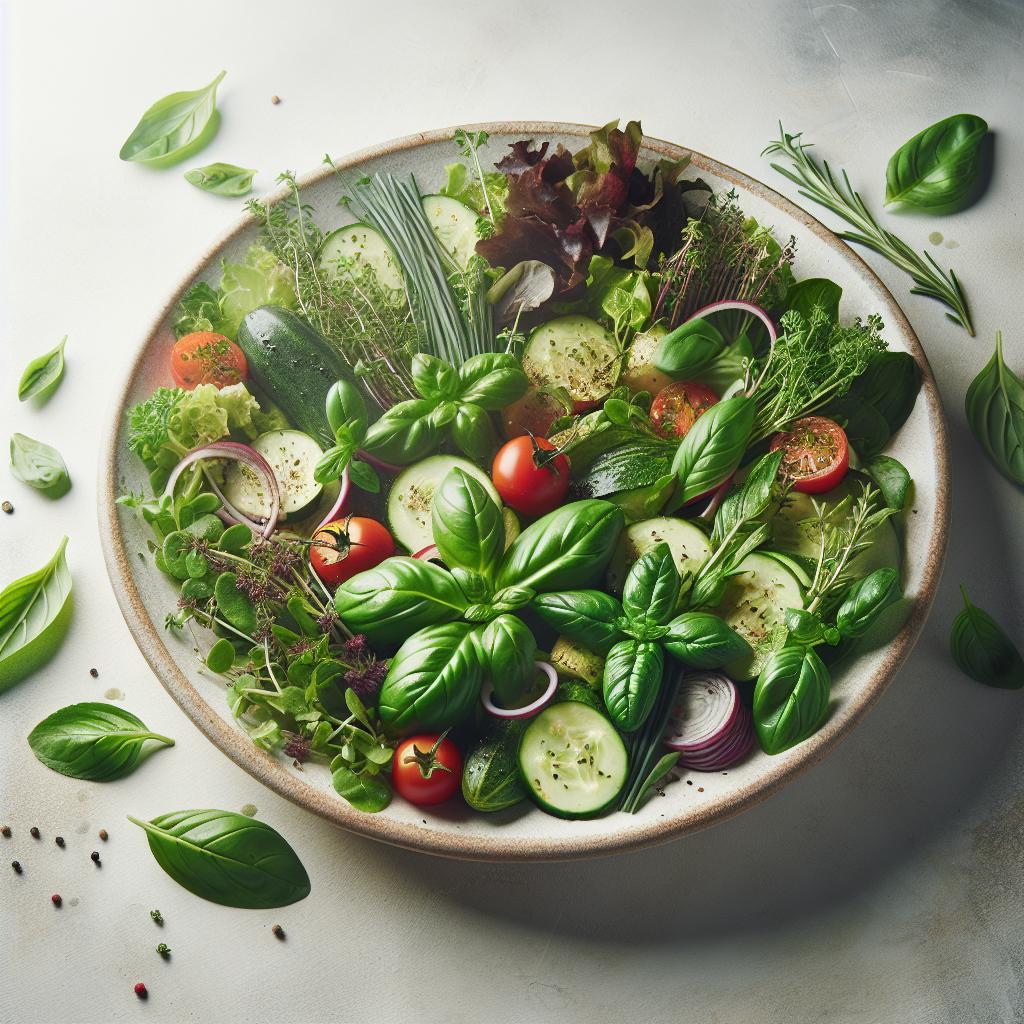
Use freshly chopped herbs as vibrant garnishes on roasted vegetables, grilled meats, or creamy soups-sprinkling just before serving to capture that garden-fresh brightness. Infuse butter or cream cheese spreads for a fresh herb kick on breads and crackers. For a bold statement, weave fresh herbs into pasta dough or savory bread recipes for an earthy, fragrant experience. Don’t forget to highlight contrasting textures by balancing tender herbs with crunchy nuts or crisp radishes in salads.

| Nutrient | Per 1/4 cup fresh herbs |
|---|---|
| Calories | 5-10 kcal |
| Protein | 0.5 g |
| Carbohydrates | 1-2 g |
| Fat | 0 g |
For additional herbs care tips and recipe inspiration, check out our Herbal Garden Recipes collection. For deeper insights on plant essential oils and harvesting science, visit The National Gardening Association.
Q&A
Q&A: Harvesting Herbs Like a Pro – Tips for Peak Freshness
Q1: When is the best time of day to harvest herbs for maximum freshness?
A: Early morning, right after the dew evaporates but before the sun gets too hot, is prime time. This is when the essential oils that carry your herbs’ flavor and aroma are at their peak, giving you the freshest and most potent harvest.
Q2: How do I know when my herbs are ready to be picked?
A: Look for vibrant, healthy leaves and stems. For most herbs, harvesting just before they flower ensures the strongest flavor. If you see flower buds forming, it’s a sign your herb is reaching maturity-time to snip!
Q3: What’s the best technique for cutting herbs without harming the plant?
A: Use clean, sharp scissors or garden shears, and cut just above a leaf node or a pair of leaves. This encourages new growth, so your herb plant stays lush and productive all season long.
Q4: Should I wash my herbs immediately after harvesting?
A: It’s best to wait until just before use. Washing herbs too early can cause them to spoil faster, especially if stored damp. Instead, gently brush off any dirt or insects right after cutting, and wash shortly before cooking or drying.
Q5: How can I store fresh herbs to keep them vibrant and tasty?
A: Treat herbs like fresh flowers! Snip the stems and place them in a glass of water, loosely cover with a plastic bag, and refrigerate. Alternatively, wrap them in a damp paper towel and seal in a plastic bag. This can extend their freshness for up to a week.
Q6: Are all herbs harvested with the same method?
A: Not quite! Tender herbs like basil and cilantro are more delicate and benefit from gentle handling, while hardy herbs such as rosemary and thyme can be clipped more aggressively. Knowing your herb’s personality helps you decide how much to take and how often.
Q7: Can I keep harvesting the same herb plant throughout the season?
A: Absolutely! With careful harvesting-never stripping more than a third of the plant at once-you can enjoy fresh herbs all season. Regular snipping also encourages bushier growth and can delay flowering, keeping your herbs tasty and vibrant.
Q8: What’s a pro tip for harvesting herbs to use in dried blends?
A: Harvest on a dry day and cut early in the morning when oils are strongest. Bundle herbs loosely and hang them upside down in a well-ventilated, shady spot. Proper drying preserves flavor and fragrance, making your homemade blends burst with freshness long after harvest.
Q9: Can harvesting herbs improve their flavor?
A: Yes! Regular harvesting is like giving your herb plant a haircut, prompting it to produce fresh, tender growth packed with essential oils. Neglected plants can get woody and bitter, so staying on top of your harvest keeps flavors zesty and bright.
Q10: What’s the golden rule of herb harvesting to remember?
A: Respect your plants! Harvest thoughtfully and with gratitude, and they’ll reward you with bountiful, aromatic leaves. After all, great herbs come from happy, well-cared-for gardens.
To Wrap It Up
Mastering the art of harvesting herbs is more than just a garden task-it’s a delicate dance with nature’s clock, a ritual that transforms green leaves into bursts of flavor and aroma for your kitchen creations. By timing your harvest with precision, handling each sprig with care, and understanding the unique rhythms of your herbs, you unlock their peak freshness and potency. So, embrace these expert tips, let your garden be your guide, and watch as your culinary endeavors flourish with every fragrant pinch. Harvest like a pro, and savor the vibrant essence of your homegrown herbs all year round.