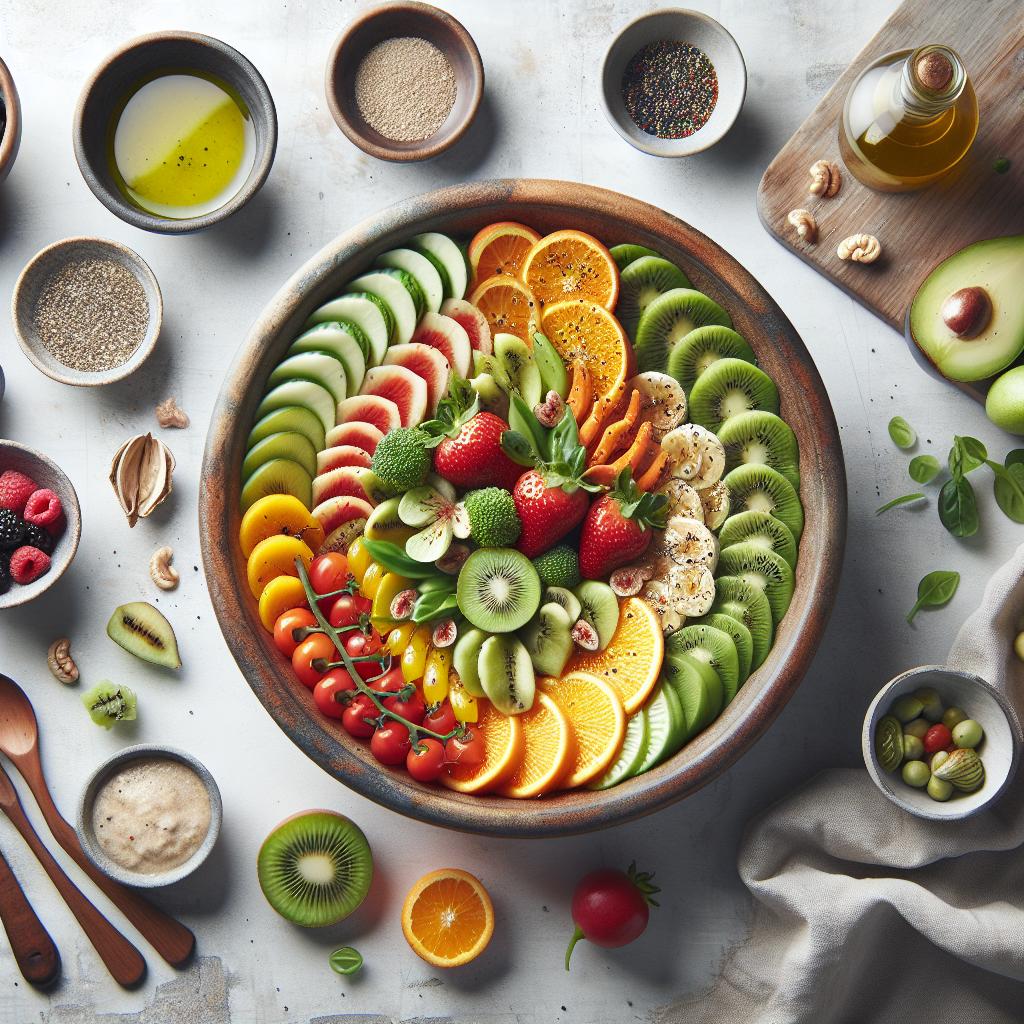

As the seasons shift and our palates crave new adventures, fresh fruit steps beyond its traditional role as a sweet finale and takes center stage in savory dishes. Imagine the vibrant burst of ripe peaches melting into a spicy grilled chicken, or the tangy zing of citrus elevating a crisp salad to unexpected heights. In this culinary journey, we’ll explore how fresh fruit-nature’s colorful bounty-adds layers of flavor, texture, and a hint of surprise to savory creations. Prepare to savor the season in a whole new way, where sweet meets savory in perfect harmony.
Fresh Fruit as a Flavor Enhancer in Savory Cooking
Fresh fruit as a flavor enhancer brings a vibrant, unexpected twist to savory dishes, transforming everyday meals into culinary masterpieces. Drawing from my years as a Culinary Content Creator and Food Stylist, I’ve seen firsthand how the natural sweetness and acidity of fruits can balance and elevate rich, salty, or spicy flavors beautifully.
Prep and Cook Time
- Preparation: 15 minutes
- Cooking: 20 minutes
- Total Time: 35 minutes
Yield
Serves 4 people generously
Difficulty Level
Medium – approachable for home cooks ready to experiment
Ingredients
- 2 cups mixed fresh seasonal fruit (such as diced peaches, plums, and cherries)
- 1 tbsp olive oil
- 1 medium shallot, finely chopped
- 2 cloves garlic, minced
- 1 tbsp fresh thyme leaves
- 1 tbsp honey or maple syrup
- 1/2 cup dry white wine or chicken broth
- 1 tsp lemon zest
- Salt and freshly ground black pepper, to taste
- Optional: 1 tbsp balsamic vinegar for a deeper tang
Instructions
- Heat olive oil in a skillet over medium heat until shimmering. Add the finely chopped shallots and garlic; sauté until fragrant and translucent, about 3 minutes.
- Stir in the fresh seasonal fruit, allowing it to soften gently and release juices, about 5-7 minutes. Use a wooden spoon to lightly mash parts of the fruit, enhancing the sauce’s texture.
- Add fresh thyme, honey, and lemon zest. Pour in the white wine or broth and stir to combine. Increase heat slightly and simmer until the liquid reduces by half and thickens, around 8-10 minutes.
- Season with salt and pepper to taste. If a more pronounced tang is desired, gently fold in balsamic vinegar at the end.
- Remove from heat and let the sauce cool slightly. Serve warm over grilled meats, roasted poultry, or pan-seared seafood for a balanced, bursting-with-flavor finish.
Chef’s Notes & Tips for Success
- Seasonal fruit pairings matter: stone fruits like peaches and plums excel with pork and chicken, while citrus or mango work wonders with seafood.
- For a dairy twist, swirl in a spoonful of crème fraîche or Greek yogurt to add creaminess without muting the fresh fruit’s brightness.
- To preserve freshness, prepare the fruit sauce just before serving. For make-ahead, keep it chilled and gently reheat over low heat with a splash of broth or water.
- Substitutions: Use agave or brown sugar if you prefer an alternative to honey. White wine can be swapped for a dry vermouth or even apple cider.
Serving Suggestions
Serve your fresh fruit-enhanced savory sauce alongside herb-roasted chicken or pan-seared salmon. Garnish with fresh thyme sprigs and a sprinkle of microgreens or toasted nuts for texture contrast. Complement the dish with a light arugula salad tossed in a lemon vinaigrette to echo the sauce’s fresh acidity, creating a harmonious and colorful plate.

| Nutrient | Per Serving |
|---|---|
| Calories | 110 kcal |
| Protein | 1.5 g |
| Carbohydrates | 22 g |
| Fat | 2.5 g |
Explore more inspired ways to highlight fresh fruit in your cooking by visiting our Fresh Fruit in Savory Recipes collection. For expert advice on flavor pairing fundamentals, the Foodpairing Research Institute offers deep insights into balancing sweet and savory notes with fruits.
Q&A
Q&A: Savor the Season – Fresh Fruit’s Role in Savory Dishes
Q1: Why has fresh fruit become a popular ingredient in savory dishes?
A1: Fresh fruit introduces a burst of natural sweetness, acidity, and vibrant color that can elevate savory dishes beyond the ordinary. Its seasonal freshness adds brightness, balances rich flavors, and creates a harmonious flavor profile that excites the palate.
Q2: Which fruits pair best with savory ingredients?
A2: Many fruits shine in savory contexts. Think tart apples with pork, juicy peaches with grilled chicken, tangy citrus in seafood salads, or juicy figs alongside sharp cheeses. The key lies in matching the fruit’s sweetness and acidity to complement meat, vegetables, or spices.
Q3: How does seasonality affect the use of fresh fruit in savory cooking?
A3: Seasonality ensures fruits are at their peak flavor and texture, making dishes more delicious and vibrant. For example, ripe summer berries bring freshness to salads, while autumn pears add warmth to roasted vegetables. Working with seasonal fruit celebrates nature’s rhythm and enriches your culinary creativity.
Q4: What are some simple ways to incorporate fresh fruit into savory meals?
A4: Start with easy swaps like adding pomegranate seeds to grain bowls or topping pizzas with thinly sliced figs. Incorporate fruits into sauces or chutneys, toss diced mango into salsas, or grill stone fruits as a caramelized side. The goal is subtle integration that enhances, not overwhelms.
Q5: Can fresh fruit improve the nutritional value of savory dishes?
A5: Absolutely! Fresh fruit adds essential vitamins, antioxidants, and fiber, boosting the health quotient of your meals. Plus, their natural sweetness can reduce the need for added sugars or heavy sauces, making dishes lighter and more wholesome.
Q6: Any tips for balancing fruit flavors in savory recipes?
A6: Balance is everything. Pair sweeter fruits with acidic or spicy components to avoid cloying sweetness. Use herbs like mint, basil, or rosemary to bridge flavors, and don’t shy away from a pinch of salt or heat to contrast the fruit’s natural sugars. Taste as you go-the best dishes evolve through experimentation.
Q7: What’s a creative example of a savory fruit-forward dish to try at home?
A7: Try a grilled chicken salad with a medley of fresh peaches, arugula, toasted almonds, and a tangy lemon vinaigrette. The peaches provide juicy sweetness that cuts through the smoky chicken, while the lemon brightens the whole dish. It’s seasonal, simple, and sensational!
The Way Forward
As the seasons turn and fresh fruit ripens to perfection, it invites us to rethink the boundaries of our savory dishes. From the subtle sweetness of roasted peaches enhancing grilled meats to the zesty burst of citrus elevating vibrant salads, fruit brings a dynamic freshness that can transform ordinary meals into unforgettable culinary experiences. By embracing the natural harmony between sweet and savory, we not only celebrate nature’s bounty but also awaken our palates to new possibilities. So next time you cook, don’t just save fruit for dessert-let it savor the season alongside your savory creations, turning every bite into a delicious discovery.