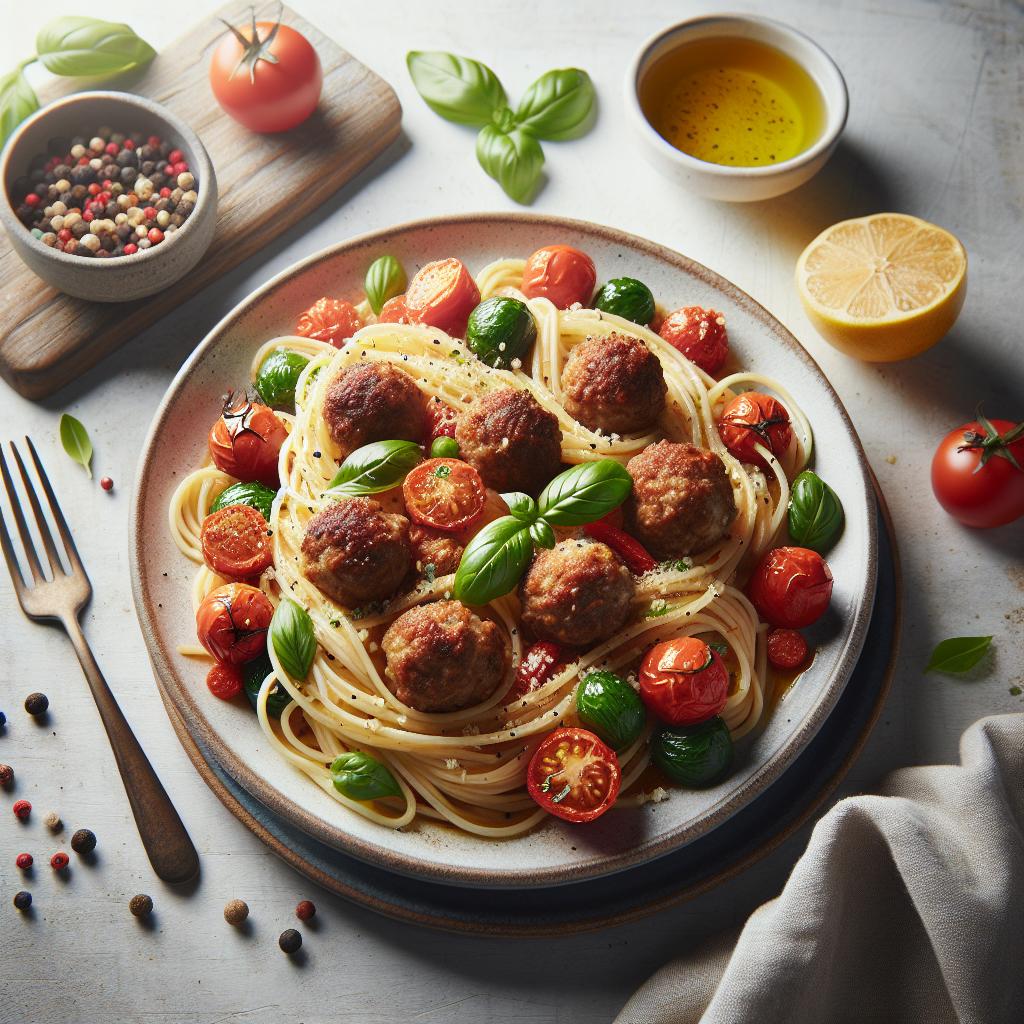

There’s a dish that sizzles with nostalgia, weaving together the rich aroma of simmering tomato sauce and the hearty embrace of tender meatballs, all twirled effortlessly with strands of golden spaghetti. Spaghetti and meatballs-a name that evokes comfort, family gatherings, and the warm hum of an Italian-American kitchen. Yet, beneath its familiar guise lies a fascinating story that transcends borders and generations. In this article, we’ll unravel the origins, evolution, and cultural significance of this beloved culinary classic, revealing how it became an iconic symbol of Italian-American heritage and a timeless favorite on tables around the world.
Spaghetti and Meatballs has become an emblematic dish that perfectly encapsulates Italian-American culinary ingenuity, blending traditional Italian flavors with New World adaptations. Originating not from Italy but from Italian immigrant communities in the United States, this dish symbolizes comfort, family, and the evolution of immigrant food culture. The marriage of tender, herb-infused meatballs with a robust tomato sauce served atop perfectly al dente spaghetti offers a rich sensory experience that’s both hearty and soul-nourishing.
Prep and Cook Time
- Preparation: 25 minutes
- Cooking: 45 minutes
- Total: 1 hour 10 minutes
Yield
Serves 6 generous portions
Difficulty Level
Medium – approachable for confident home cooks
Crafting the Perfect Meatball Blend for Authentic Flavor
The secret to unforgettable meatballs lies in balance: a harmonious blend of meats, seasoning, and texture enhancers. Using a combination of ground beef, pork, and veal delivers a juicy, flavorful base. Incorporate fresh herbs like parsley, finely grated Parmigiano-Reggiano, and a touch of garlic to build layers of complexity. Soaking bread in whole milk ensures moisture, while eggs act as the binding agent, preventing crumbly meatballs. Lightly frying until golden seals in the juices and creates a slight crust that contrasts beautifully with the tender interior.
Mastering the Sauce: Tips for a Rich and Balanced Tomato Base
The tomato sauce is the heart of this classic, where acidity, sweetness, and herbaceous notes meld perfectly. Start by gently sautéing onions, garlic, and celery to develop deep aromas. Use high-quality crushed tomatoes or San Marzano tomatoes for authentic Italian flavor and natural sweetness. A splash of red wine adds depth, while fresh basil and oregano tie the sauce to its Mediterranean roots. Simmer slowly, allowing flavors to concentrate and caramelize subtly. Season gradually and taste often to avoid overpowering salt or bitterness. For richness, a knob of butter added at the end softens acidity and rounds the sauce beautifully.
Serving Suggestions and Pairings to Elevate Your Classic Dish
Serve your spaghetti and meatballs piping hot, draped in the vibrant tomato sauce and topped with freshly shaved Parmigiano-Reggiano. A sprinkle of chopped fresh basil or parsley adds a burst of color and freshness. Accompany the meal with a crisp Caesar salad or garlic-rubbed crostini brushed with olive oil for perfect textural contrast. For beverages, a medium-bodied red wine such as Chianti or Sangiovese elevates the meal with complementary acidity. Finally, warm a rustic Italian bread to soak up every last drop, making this dish a true feast for the senses.
Ingredients
- For the Meatballs:
- 1/2 pound ground beef (preferably 80/20)
- 1/2 pound ground pork
- 1/4 pound ground veal
- 1 cup fresh breadcrumbs (from day-old Italian bread)
- 1/2 cup whole milk
- 1 large egg
- 1/3 cup finely grated Parmigiano-Reggiano
- 2 cloves garlic, minced
- 2 tablespoons fresh parsley, finely chopped
- 1 teaspoon kosher salt
- 1/2 teaspoon freshly ground black pepper
- 1/2 teaspoon dried oregano
- Olive oil, for frying
- For the Sauce:
- 2 tablespoons olive oil
- 1 small onion, finely diced
- 2 stalks celery, finely diced
- 3 cloves garlic, minced
- 28 oz crushed San Marzano tomatoes
- 1/2 cup dry red wine
- 1 teaspoon sugar (optional, to balance acidity)
- 1 teaspoon dried oregano
- 6 fresh basil leaves, torn
- Salt and black pepper, to taste
- 1 tablespoon unsalted butter
- For Serving:
- 1 pound spaghetti
- Freshly grated Parmigiano-Reggiano
- Fresh basil or parsley for garnish
Instructions
- Prepare the Meatball Mixture: Place the breadcrumbs in a small bowl and soak them in milk for 5 minutes until softened. In a large bowl, combine ground beef, pork, veal, soaked breadcrumbs, egg, Parmigiano-Reggiano, garlic, parsley, salt, pepper, and oregano. Mix gently with your hands until just combined-avoid overmixing to keep meatballs tender.
- Form the Meatballs: Shape the mixture into uniform meatballs, about 1 1/2 inches in diameter. Place them on a parchment-lined baking sheet to keep the sizes consistent, which ensures even cooking.
- Brown the Meatballs: Heat a generous drizzle of olive oil in a large skillet over medium heat. Add meatballs in batches, leaving space to avoid overcrowding. Sauté until golden brown on all sides, about 5-7 minutes, turning carefully with a slotted spoon. Remove and set aside.
- Make the Sauce Base: In a large saucepan, heat olive oil over medium heat. Add onion, celery, and garlic, and sauté until softened and fragrant, about 6 minutes.
- Deglaze and Simmer: Pour in the red wine, scraping the pan bottom to lift browned bits. Allow the wine to reduce by half, about 3 minutes.
- Add Tomatoes and Seasonings: Stir in crushed tomatoes, oregano, sugar (if using), salt, and pepper. Bring to a gentle simmer.
- Simmer Meatballs in Sauce: Carefully transfer browned meatballs into the sauce, submerging them halfway. Cover and simmer over low heat for 30 minutes, stirring occasionally to prevent sticking and to let the flavors marry.
- Finish the Sauce: Stir in torn basil leaves and butter. Adjust seasoning as needed. The butter will mellow the sauce and add silkiness.
- Cook the Spaghetti: Meanwhile, bring a large pot of salted water to a boil. Cook spaghetti according to package instructions until al dente. Drain well.
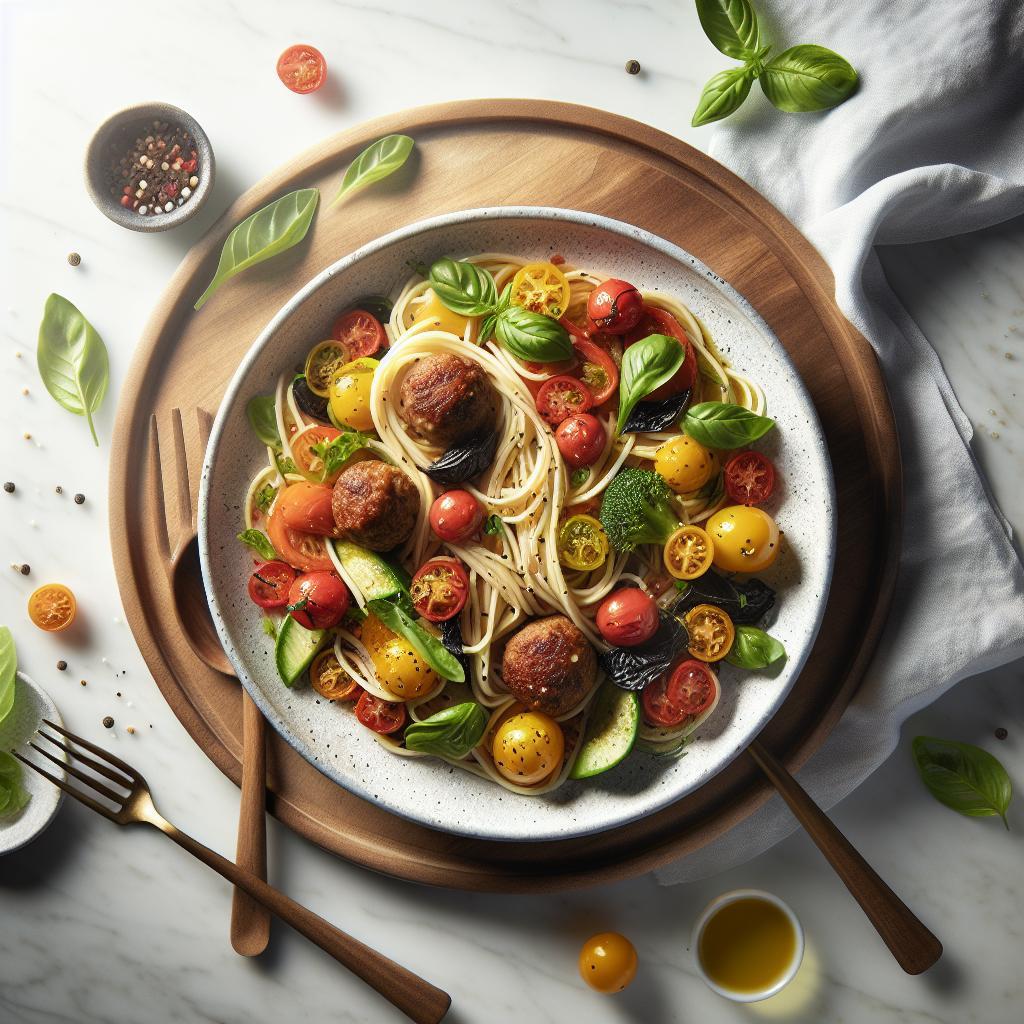
- Assemble and Serve: Divide spaghetti among warm plates, spoon meatballs and sauce over the top. Garnish with freshly grated Parmigiano-Reggiano and chopped basil or parsley.
Tips for Success
- Meat Selection: Combining beef, pork, and veal creates the ideal balance of flavor and fat content. If unavailable, use ground beef and pork in equal parts.
- Breadcrumb Soaking: Don’t skip soaking the breadcrumbs in milk; this keeps meatballs tender and moist instead of dry.
- Don’t Overcrowd the Pan: Fry meatballs in batches with enough room-overcrowding steams instead of browns them.
- Low and Slow Sauce Simmering: Allowing the sauce and meatballs to cook slowly enhances flavor integration and meatball tenderness.
- Make-Ahead: Meatballs can be made and refrigerated overnight, sauce can be prepared a day in advance to deepen flavor.
- For a Gluten-Free Version: Substitute breadcrumbs with ground oats or gluten-free bread crumbs.
Serving Suggestions
Bring elegance to this classic with a drizzle of high-quality extra virgin olive oil and a sprinkle of crushed red pepper for subtle heat. Pair with roasted garlic bread and a bright arugula salad tossed in lemon vinaigrette. A light Italian red wine like Barbera can enhance the savory profile, while sparkling water with lemon cuts through richness for a balanced palate.
| Nutrient | Per Serving |
|---|---|
| Calories | 620 kcal |
| Protein | 35 g |
| Carbohydrates | 55 g |
| Fat | 28 g |

For further inspiration on Italian-American recipes, check out our Classic Italian-American Dishes guide. To dive deeper into the history of Italian-American cuisine, visit the authoritative Journal of Gastronomy & Food Culture.
Q&A
Q&A: Spaghetti and Meatballs – The Italian-American Classic Unveiled
Q1: What is the origin of spaghetti and meatballs?
A: Contrary to popular belief, spaghetti and meatballs is not traditional Italian fare but rather an Italian-American invention. Italian immigrants in the late 19th and early 20th centuries adapted their recipes to local ingredients and tastes in the United States, combining hearty meatballs with pasta to create the beloved dish we know today.
Q2: How did spaghetti and meatballs become so popular in America?
A: The dish gained popularity through Italian immigrant communities who opened restaurants and adapted Old World flavors to New World palates. Affordable and filling, spaghetti and meatballs became a comforting, accessible meal for working-class families and soon earned its place on menus across the country, symbolizing Italian-American cultural identity.
Q3: What makes Italian-American meatballs different from traditional Italian polpette?
A: Italian-American meatballs are often larger, richer, and baked or fried before simmering in sauce, designed to stand up to the robust tomato sauce and long pasta strands. In contrast, traditional Italian polpette are smaller and commonly served on their own or in soups, not typically paired with spaghetti.
Q4: What are the key ingredients that define classic spaghetti and meatballs?
A: The essentials include ground beef or a beef-pork blend for meatballs, garlic, onions, breadcrumbs, Parmesan cheese, fresh herbs like parsley and basil, eggs to bind, a rich tomato sauce simmered with garlic and herbs, and long, thin spaghetti noodles. The balance of flavors and textures is what makes the dish comforting and iconic.
Q5: Can spaghetti and meatballs be considered an authentic Italian dish?
A: While not authentic in the traditional Italian culinary canon, spaghetti and meatballs is an authentic expression of Italian-American culture-a fusion born from creativity, adaptation, and nostalgia. It’s a delicious evolution that tells a story of immigration, community, and culinary innovation.
Q6: Are there regional variations within the United States?
A: Absolutely! In some regions, meatballs might be larger and more heavily spiced; in others, the sauce could be sweeter or more garlicky. Some cooks add ricotta cheese inside the meatballs, others experiment with different herbs or meats like veal. This diversity reflects the personal and regional twists that keep the dish fresh and exciting.
Q7: What tips can home cooks use to perfect spaghetti and meatballs?
A: Use a mix of meats for flavor and texture, don’t overwork the meat mixture to keep meatballs tender, brown them well for a deep flavor, simmer gently in the tomato sauce to infuse taste, and cook pasta al dente. Fresh herbs and quality Parmesan cheese elevate the final dish to something sublime.
Q8: Why does spaghetti and meatballs continue to resonate with diners today?
A: It embodies comfort, tradition, and the joy of sharing a hearty meal with loved ones. The dish’s balance of simple ingredients and bold flavors invites both nostalgia and creativity-making it a timeless favorite on tables across America and beyond.
Concluding Remarks
As we twirl the last strands of spaghetti around our forks and savor the final tender bite of meatball, we uncover more than just a beloved dish-we discover a story of heritage, adaptation, and cultural fusion. Spaghetti and meatballs may wear the colors of Italy, but its soul beats with the spirit of America, where immigrant dreams simmered into a timeless classic. Whether enjoyed in a bustling New York pizzeria or a cozy home kitchen, this dish invites us to celebrate the mingling of tradition and innovation on every plate. So next time you dive into a bowl of spaghetti and meatballs, remember: you’re tasting a rich tapestry of history, flavor, and the enduring power of food to bring people together. Bellissimo!