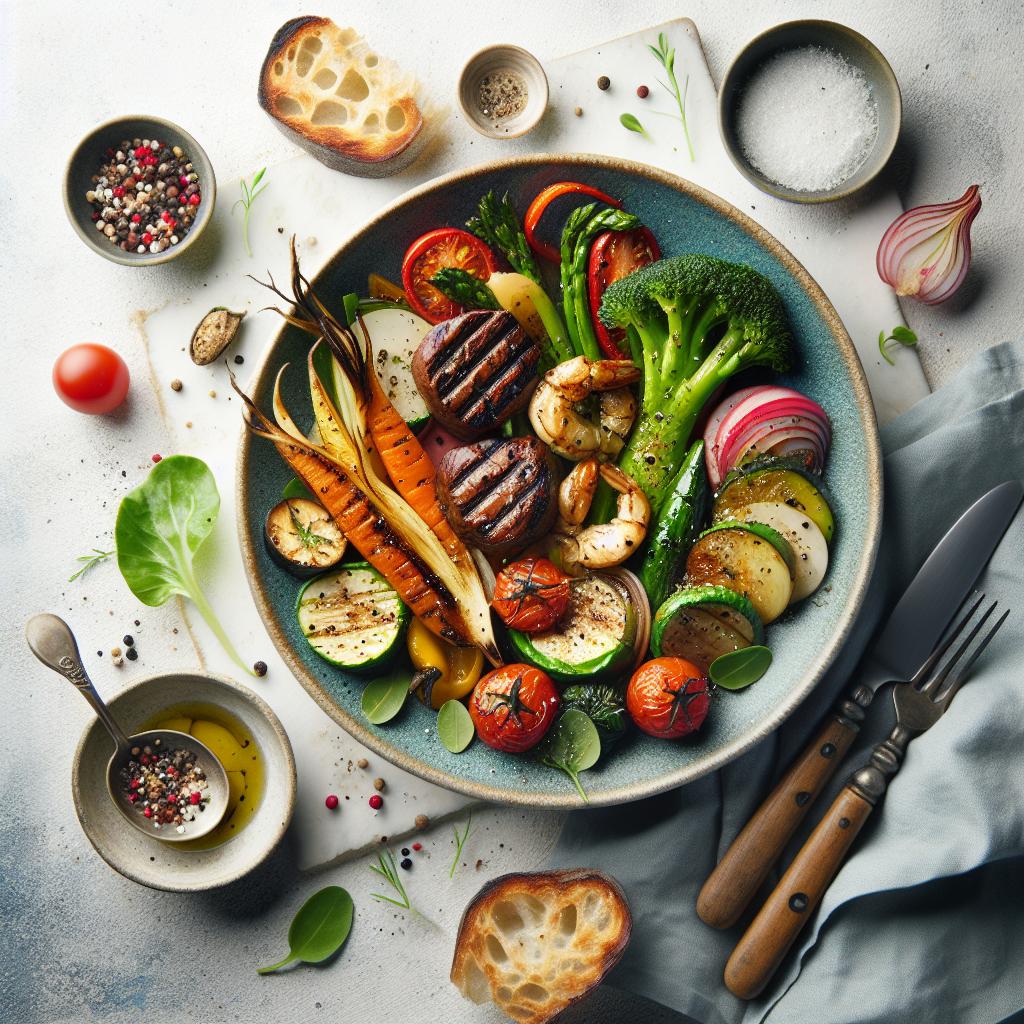

In a world that moves at a relentless pace, food remains one of the most profound connectors-uniting us through shared tastes, stories, and traditions. “Savor the Joy: Crafting Delight in Cooking and Sharing Food” invites you on a sensory journey where the act of preparing a meal becomes an art form, and every bite tells a tale of care and creativity. Beyond mere sustenance, cooking and sharing food stir emotions, spark conversations, and nourish the soul. This article explores how embracing the joy found in the kitchen and at the table transforms everyday moments into celebrations of life’s simple pleasures. Get ready to discover the magic that unfolds when passion meets plate.
Savor the Joy: Crafting Delight in Cooking and Sharing Food
Savor the joy starts with the essence of fresh, high-quality ingredients-the foundation of unforgettable meals that invite warmth and connection. Choosing ingredients at their peak inspires flavors that dance on the palate and textures that delight with every bite, elevating simple dishes into culinary masterpieces. This recipe embodies the transformative power of culinary artistry, where each step from selection to presentation crafts memorable experiences shared with loved ones.
Prep and Cook Time
Preparation: 20 minutes
Cooking: 40 minutes
Total Time: 1 hour
Yield
Serves 4 generous portions
Difficulty Level
Medium – Perfect for home cooks looking to hone their flavor infusion and plating skills
Ingredients
- 1 lb (450 g) fresh boneless chicken thighs, trimmed and patted dry
- 2 tbsp extra virgin olive oil
- 4 cloves garlic, minced
- 1 medium shallot, finely diced
- 1 cup cherry tomatoes, halved
- 1 tbsp fresh rosemary, chopped
- 1 tsp smoked paprika
- Salt and freshly ground black pepper, to taste
- Juice of 1 lemon
- 1/2 cup low-sodium chicken broth
- Fresh basil leaves, for garnish
- 1 cup cooked quinoa, fluffy, for serving
Instructions
- Prepare the chicken: Lightly season the chicken thighs on both sides with salt, pepper, and smoked paprika. Gently pat the seasoning to help it adhere and enhance the aroma.
- Infuse flavors: Heat the olive oil in a large skillet over medium heat. Add the minced garlic and diced shallot, sautéing until fragrant and golden, about 2-3 minutes. Stir occasionally to avoid burning.
- Sear the chicken: Place the chicken thighs skin-side down, if skin-on, or presentation side down for boneless in the skillet. Sear until golden brown, about 5 minutes each side. This caramelization locks in juices and builds layers of flavor.
- Add freshness: Toss in the cherry tomatoes and chopped rosemary, cooking for another 3 minutes until tomatoes soften and release their natural sweetness.
- Simmer gently: Pour in the chicken broth and lemon juice, deglazing the pan by scraping the browned bits at the bottom. Reduce heat to low, cover, and simmer for 10-12 minutes until the chicken is cooked through and tender.
- Prepare quinoa: While the chicken cooks, fluff the cooked quinoa with a fork. Optionally, stir in a drizzle of olive oil and a pinch of salt for added flavor.
- Final touch: Remove the skillet from heat. Let the chicken rest for 2 minutes. This step ensures juiciness and relaxed texture.
- Plate thoughtfully: Spoon the quinoa onto warm plates. Place the chicken thighs atop the quinoa, spooning the tomato and herb sauce generously over the top. Garnish with fresh basil leaves for color and aroma.
Tips for Success: Create More Than Just a Meal
- Always select fresh, vibrant ingredients like firm shallots and plump cherry tomatoes to enhance both flavor and presentation.
- Allow the chicken to come to room temperature before cooking for even doneness.
- For an herbaceous twist, swap rosemary with thyme or oregano depending on your mood.
- Make ahead: Quinoa can be cooked the day before and stored in the refrigerator to save time.
- Use a cast iron skillet for better heat retention and an exceptional sear.
Serving Suggestions
Present this dish on white or earthy-toned plates to accentuate the vibrant reds and greens of the tomatoes and basil. Pair with a light, crisp white wine or a sparkling water infused with lemon and mint. For added texture and tradition, serve alongside a small bowl of mixed olives or a fresh green salad with a lemon vinaigrette.

| Nutrient | Amount per Serving |
|---|---|
| Calories | 370 kcal |
| Protein | 32 g |
| Carbohydrates | 28 g |
| Fat | 12 g |
Embrace the essence of how fresh ingredients bring dishes to life in your culinary routine. For a deeper dive into culinary flavor-building techniques, visit Serious Eats. Let every moment at your table become a legacy of love and craftsmanship.
Q&A
Q&A: Savor the Joy – Crafting Delight in Cooking and Sharing Food
Q1: Why is cooking considered more than just a necessity?
A: Cooking transcends necessity by becoming an art form-a way to express creativity, emotions, and culture. It invites us to slow down, engage our senses, and transform ordinary ingredients into something extraordinary. The act of cooking can be a meditative ritual, a celebration of flavors, and a joyful journey that deeply connects us to ourselves and others.
Q2: How does sharing food enhance the experience of eating?
A: Sharing food turns eating into a communal celebration. It fosters connection, warmth, and generosity, turning a meal into a shared memory. When we break bread together, stories flow, bonds strengthen, and empathy grows. The simple act of sharing amplifies the joy of the meal far beyond what a solo eater experiences.
Q3: What are some creative ways to add delight to cooking?
A: Delight blossoms when we experiment-whether it’s playing with colors, textures, or unusual flavor pairings. Infuse your kitchen with music, season your space with laughter, or explore recipes from different cultures. Using fresh, vibrant ingredients and plating food thoughtfully can also turn an everyday dish into a feast for the eyes and soul.
Q4: How can mindful cooking improve our relationship with food?
A: Mindful cooking invites us to be fully present, savoring each step-the chopping, stirring, tasting. It cultivates gratitude for the ingredients and respect for the process. This awareness deepens our appreciation for food, helps manage stress, and encourages healthier choices, transforming cooking from a chore into an act of self-love.
Q5: What role does food play in cultural storytelling?
A: Food is a living archive of heritage and identity. Each recipe carries stories passed down through generations-traditions, celebrations, hardships, and triumphs. Through cooking, we tell these stories without words, honoring ancestors and forging cultural bridges, reminding us that food is intrinsically woven into the fabric of human connection.
Q6: Can cooking and sharing food be a source of personal healing?
A: Absolutely. Cooking engages the senses in nurturing acts that can soothe the mind and soul. Sharing meals creates a sense of belonging and reduces loneliness. Together, these experiences can restore balance, encourage emotional expression, and heal wounds-turning the kitchen into a sanctuary of comfort and joy.
Q7: How do you suggest beginners start savoring the joy of cooking?
A: Start simple and let curiosity guide you. Choose a recipe that excites you, gather fresh ingredients, and embrace the learning process. Focus on the pleasure of creating rather than perfection. Invite loved ones to join or share your creations. Remember, the joy is in the journey-each small success and flavorful discovery fuels a lifelong love for cooking.
Key Takeaways
As the final sprinkle of seasoning settles and the last bite is shared, the true magic of cooking reveals itself-not merely in the flavors, but in the joy woven through the act of creation and connection. Savoring the journey from kitchen to table invites us to slow down, appreciate the artistry in everyday ingredients, and celebrate the bonds nurtured by a shared meal. Whether crafting a simple snack or an elaborate feast, remember that each dish carries a story, a memory, and a moment of joy waiting to be discovered. So, embrace the alchemy of cooking with an open heart, and let every morsel be a delicious reminder that the greatest delight lies not just in the food itself, but in the joyful experience of bringing it to life and sharing it with others.