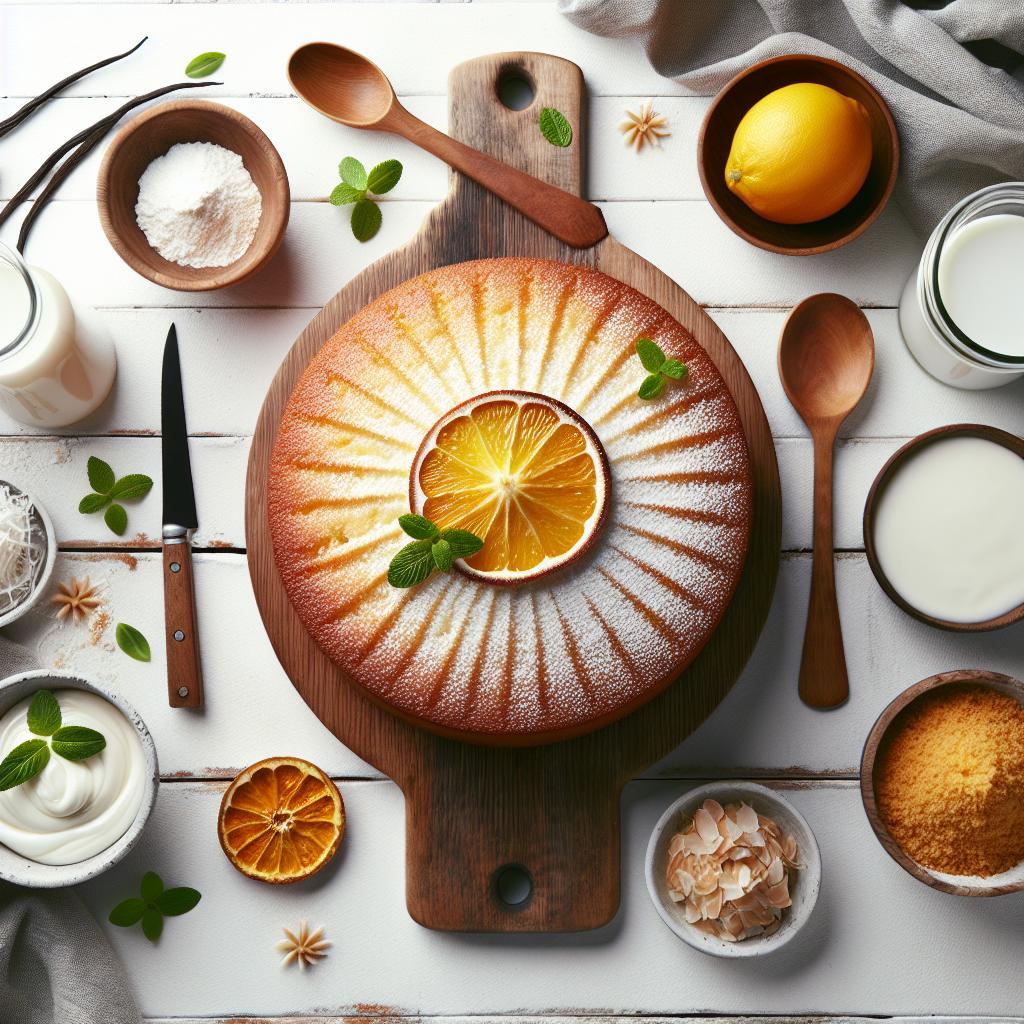

Imagine a tender, moist cake that marries the subtle sweetness of vanilla with the wholesome goodness of coconut flour-an irresistible delight that’s as nourishing as it is delicious. Whether you’re seeking a gluten-free treat or simply craving a fresh twist on a classic dessert, this simple coconut flour vanilla cake is your go-to recipe. Whip up this delightful masterpiece in no time, and savor a slice that feels like a comforting hug, wrapped in the tropical aroma of coconut and the warm embrace of vanilla. Let’s dive into the art of creating this easy, flavor-packed cake that promises to enchant your taste buds and brighten any occasion.
Whip Up a Simple Coconut Flour Vanilla Cake Delight promises a light, fluffy texture that uniquely blends moistness and nuanced flavor thanks to the delicate touch of coconut flour. This recipe originates from traditional vanilla baking methods but is enhanced for gluten-free and health-conscious bakers seeking moistness without sacrificing taste. I vividly recall my first attempt, nervously replacing classic flour with coconut flour, only to be rewarded by a cake with tender, melt-in-your-mouth crumb that tasted as decadent as it looked. Follow along to master these perfect ingredients and elevate your baking game.
Prep and Cook Time
- Preparation: 20 minutes
- Cooking: 35 minutes
- Total Time: 55 minutes
Yield
Serves 8 generously sized slices
Difficulty Level
Easy to Medium – perfect for both confident beginners and seasoned home bakers
Ingredients
- 3/4 cup coconut flour, sifted
- 6 large eggs at room temperature
- 1/2 cup virgin coconut oil, melted and slightly cooled
- 1/2 cup raw honey or pure maple syrup for natural sweetness
- 1/2 cup unsweetened almond milk or any plant-based milk
- 2 teaspoons pure vanilla extract
- 1 teaspoon baking powder, gluten-free
- 1/4 teaspoon fine sea salt
- Optional: zest of 1 lemon or orange for added freshness
Instructions
- Preheat the oven to 350°F (175°C). Grease a 9-inch round cake pan and line with parchment paper for easy release.
- Whisk together eggs and honey in a large bowl until pale and slightly frothy-this incorporates air needed for a fluffy texture.
- Add melted coconut oil and almond milk gradually, stirring gently to combine. Incorporate vanilla extract and zest if using, for a lovely fragrance.
- In a separate bowl, combine coconut flour, baking powder, and salt. Coconut flour absorbs more moisture than regular flour, so precise measurement is key.
- Slowly fold dry ingredients into the wet mixture, using a spatula to avoid deflating the batter. The batter will thicken quickly, which is expected.
- Pour the batter into the prepared pan, smoothing the surface with a spatula for even baking.
- Bake for 30 to 35 minutes or until a toothpick inserted into the center comes out clean. To prevent over-browning, tent loosely with foil after 25 minutes if needed.
- Allow the cake to cool in the pan for 15 minutes, then invert onto a wire rack to cool completely-this prevents sogginess and preserves crumb integrity.
Tips for Success
- Measure Coconut Flour Accurately: Spoon and level rather than scooping directly from the bag to avoid dense batter.
- Room Temperature Ingredients: Ensure eggs and almond milk are room temperature to promote emulsification and heighten fluffiness.
- Natural Sweeteners: Adjust honey or maple syrup to taste, bearing in mind that coconut flour slightly sweetens the cake naturally.
- Make-Ahead: Bake a day ahead-this cake tastes even better the next day as flavors meld. Store in an airtight container.
- Substitute: For nut allergies, swap almond milk with oat or rice milk without compromising moistness.
- Texture Troubleshooting: If your cake tastes dense, try whisking eggs longer for more lift or add 1 tablespoon of apple cider vinegar to activate baking powder.
Serving Suggestions
Serve slices with a dollop of freshly whipped coconut cream or drizzle with a homemade raspberry coulis. Garnish with toasted coconut flakes or edible flower petals for an elegant touch. This cake pairs beautifully with a cup of freshly brewed vanilla chai or an herbal green tea to complement its natural sweetness. For a festive occasion, layer with thin spreads of organic fruit preserves between slices and dust lightly with powdered erythritol for a low-glycemic finish.
| Nutrient | Amount per Serving |
|---|---|
| Calories | 210 kcal |
| Protein | 7 g |
| Carbohydrates | 18 g |
| Fat | 13 g |
Related Reading: For more gluten-free dessert inspirations, explore our ultimate guide to gluten-free baking. For further insights on coconut flour’s unique properties and benefits, consult this detailed Healthline article on coconut flour.

Q&A
Q&A: Whip Up a Simple Coconut Flour Vanilla Cake Delight
Q1: Why choose coconut flour for a vanilla cake?
A1: Coconut flour adds a subtle tropical twist and a natural sweetness, while being gluten-free and packed with fiber. It creates a moist, tender crumb that makes your vanilla cake both delicious and a tad healthier!
Q2: Is coconut flour hard to bake with?
A2: It can be a bit tricky since it’s highly absorbent. But with the right balance of wet ingredients and eggs, you’ll get a beautifully textured cake that’s soft, fluffy, and melts in your mouth.
Q3: What makes this vanilla cake recipe simple?
A3: Fewer ingredients and straightforward steps keep the process stress-free. No fancy equipment or rare ingredients-just pantry staples and your trusty mixing bowl.
Q4: Can I substitute regular flour with coconut flour directly?
A4: Not exactly. Coconut flour behaves differently; typically, you use much less coconut flour and add extra moisture. For this recipe, measurements are tailored to bring out the best of coconut’s unique texture.
Q5: What flavor profile can I expect?
A5: Expect a delicate vanilla aroma infused with a subtle nuttiness from coconut flour. It’s lightly sweet, tender, and perfect for pairing with fresh berries or a drizzle of honey.
Q6: Is this cake suitable for special diets?
A6: Absolutely! It’s gluten-free and can easily be made dairy-free or paleo-friendly by swapping out butter for coconut oil or your preferred plant-based substitute.
Q7: How do I avoid a dry texture?
A7: The key is balancing eggs and moist ingredients like coconut milk or yogurt. Don’t overbake-pull the cake out as soon as a toothpick comes out clean to keep it luscious and soft.
Q8: Can I turn this basic cake into a fancy dessert?
A8: Of course! Top it with whipped cream, a sprinkle of toasted coconut, or a drizzle of dark chocolate ganache to impress guests with minimal extra effort.
Q9: How long does the cake stay fresh?
A9: Stored in an airtight container at room temperature, it’s best enjoyed within 2-3 days. For longer keeping, refrigerate it and bring to room temperature before serving.
Q10: Any secret tips for perfect results?
A10: Measure your coconut flour precisely, sift it if lumpy, and always let the batter rest for a few minutes-this helps the flour fully absorb moisture for an even crumb. Then bake with love!
In Conclusion
As the final crumb melts on your tongue, you’ll realize that whipping up a simple coconut flour vanilla cake delight isn’t just about baking-it’s about crafting moments of joy with wholesome, flavorful ingredients. Whether you’re a seasoned baker or a curious beginner, this recipe opens the door to a world where health meets indulgence effortlessly. So next time cravings call for a sweet escape, remember: your kitchen holds the secret to a luscious, naturally nourishing treat that’s as delightful to make as it is to savor. Happy baking!