
There’s a certain magic in the air when the aroma of freshly made buñuelos de viento drifts through the bustling streets of Spain. These delicate, airy treats-literally “wind fritters”-are more than just pastries; they are a celebration of lightness, tradition, and shared moments. Crispy on the outside and ethereal on the inside, buñuelos de viento invite both locals and travelers alike to indulge in a centuries-old culinary art that delights the senses and connects generations. In this article, we’ll journey through the history, craft, and cultural significance of these quintessentially Spanish confections, revealing why they remain a cherished staple to savor and share.
Origins and Traditions Behind Buñuelos de Viento
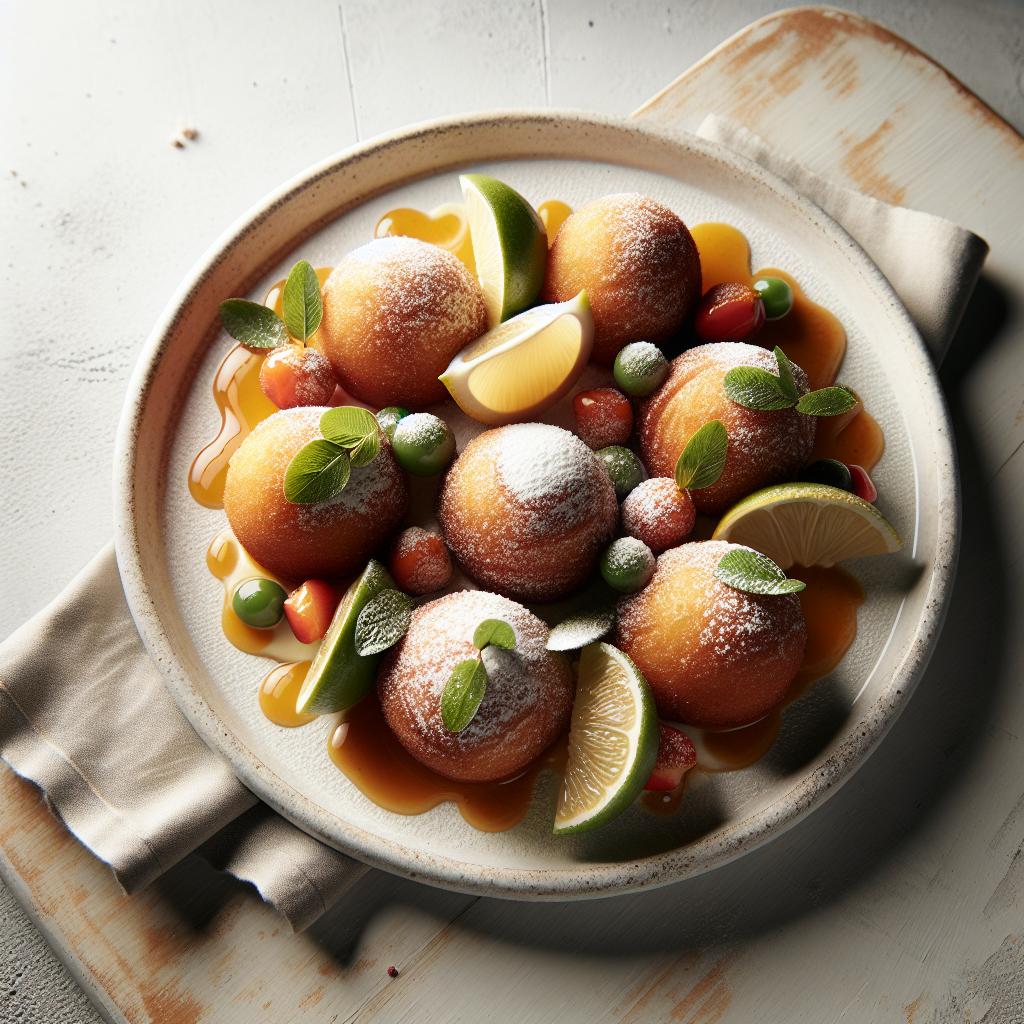
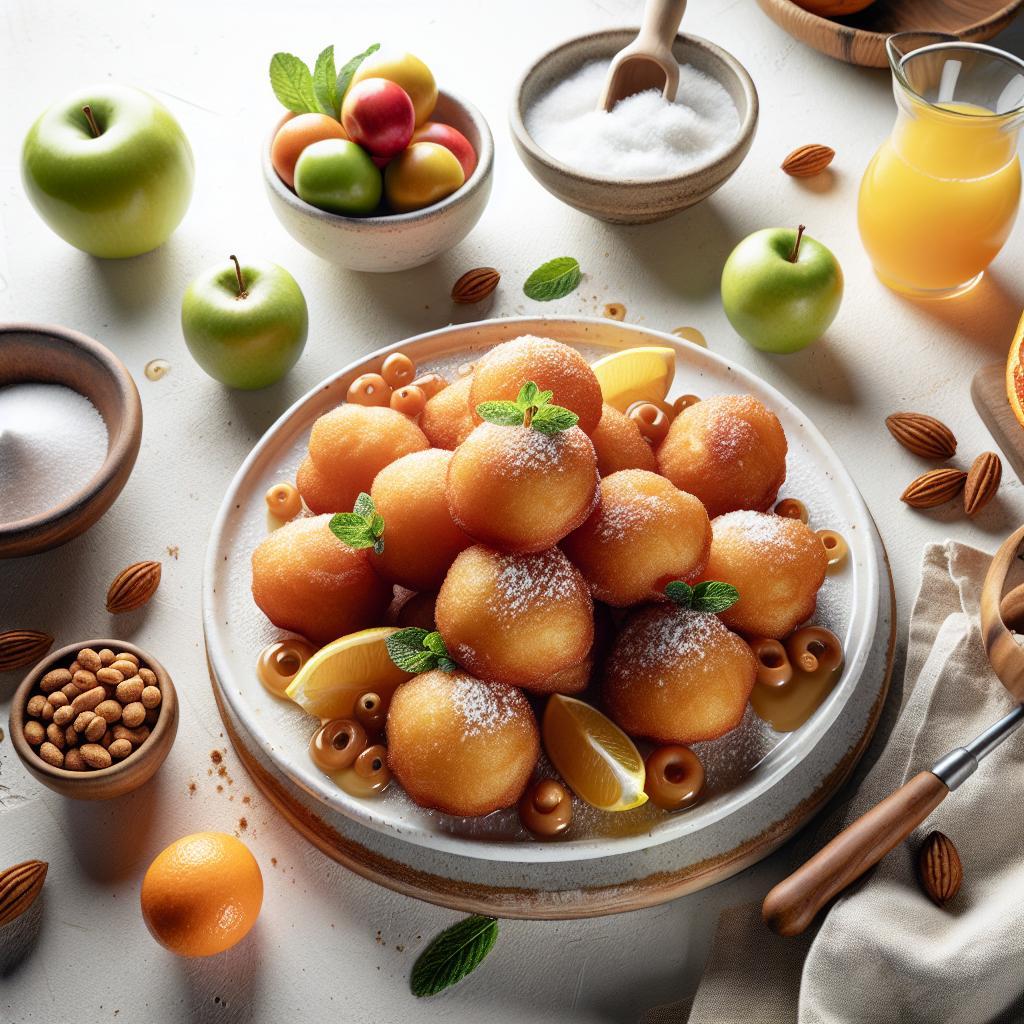
Buñuelos de viento are a treasured classic from Spanish cuisine, renowned for their feather-light texture and delightful crispness. These airy doughnuts have roots tracing back centuries, often enjoyed during festive celebrations such as Christmas and All Saints’ Day. Traditionally, they symbolize joy and togetherness, bringing families together to savor this delicate treat. The name itself-translating to “wind fritters”-perfectly captures their ethereal nature, a lightness that chefs and home cooks alike aspire to recreate in every batch. My first taste was at a bustling plaza in Andalusia, where the buñuelos were served piping hot with a dusting of powdered sugar, creating memories as sweet as the pastry itself.
Prep and Cook Time
- Preparation: 15 minutes
- Cooking: 20 minutes
- Total Time: 35 minutes
Yield
Approximately 20 buñuelos de viento, perfect for sharing at any occasion.
Difficulty Level
Medium – Requires attention to the dough consistency and frying temperature for best results.
Ingredients
- 1 cup all-purpose flour, sifted
- 1 cup whole milk
- 3 tablespoons unsalted butter
- 2 large eggs
- 2 tablespoons granulated sugar
- 1 teaspoon vanilla extract
- 1 pinch salt
- Vegetable oil for frying (about 4 cups)
- Powdered sugar for dusting
Instructions
- Heat the milk, butter, sugar, and salt in a medium saucepan over medium heat until the butter melts and the mixture begins to simmer.
- Remove from heat and quickly stir in the sifted flour using a wooden spoon until the dough forms a ball and pulls away from the pan.
- Return the pan to low heat and cook for 1-2 minutes, stirring constantly, to dry the dough slightly.
- Transfer the dough to a mixing bowl and allow to cool for 5 minutes.
- Beat in the eggs, one at a time, incorporating thoroughly after each addition. Add the vanilla extract.
- Heat the vegetable oil in a deep fryer or heavy pot to 350°F (175°C).
- Using two spoons or a pastry bag fitted with a large round tip, carefully drop small spoonfuls of dough into the hot oil, spacing them to avoid sticking.
- Fry until golden and puffed, about 2-3 minutes per side. Turn as needed to ensure even cooking.
- Remove buñuelos with a slotted spoon and drain on paper towels.
- Dust generously with powdered sugar while still warm and serve immediately.
Tips for Success
- Consistency is key: The dough should be thick but smooth. If too dry, add a teaspoon of milk; if too wet, sprinkle a little flour.
- Oil temperature: Maintain steady heat for perfect puffing-too hot and the buñuelos burn outside, too cold and they absorb oil.
- Make-ahead tip: Prepare the dough earlier, then refrigerate and bring to room temperature before frying.
- Flavorful enhancements: Try adding orange zest or anise extract for a subtle aromatic twist.
Serving Suggestions and Pairings for Memorable Moments
Serve buñuelos de viento dusted with powdered sugar alongside a warm cup of Spanish hot chocolate for a decadent treat. They also pair beautifully with a drizzle of honey or a light dusting of cinnamon sugar. For festive gatherings, present them on a rustic wooden platter with bowls of dulce de leche, fruit preserves, or whipped cream for dipping. Garnish with fresh mint leaves or edible flowers to elevate the visual appeal. This charming Spanish delicacy shines best when shared, making every bite a moment to cherish.
| Nutrient | Per Buñuelo |
|---|---|
| Calories | 110 kcal |
| Protein | 2 g |
| Carbohydrates | 15 g |
| Fat | 5 g |

For enthusiasts eager to dive deeper into Spanish pastries, check out our comprehensive guide to Spanish pastries. To learn more about the cultural heritage of buñuelos in Spain, visit the Spanish Cultural Heritage Organization.
Q&A
Q&A: Buñuelos de Viento – Airy Spanish Treats to Savor & Share
Q1: What exactly are Buñuelos de Viento?
A1: Buñuelos de Viento, which translates to “wind fritters,” are delicate, airy Spanish pastries that float like clouds on your palate. These light, crispy puffs are made from a simple dough, fried to golden perfection, and often dusted with sugar or drizzled with honey, making them an irresistible treat perfect for sharing.
Q2: Where do Buñuelos de Viento originate from?
A2: These ethereal snacks have roots stretching throughout Spain, with regional twists that reflect local tastes. Buñuelos de Viento are especially cherished in Andalusia and Madrid, where tradition blends with culinary artistry to create that signature crispness and lightness.
Q3: What ingredients make Buñuelos de Viento so light and airy?
A3: The magic lies in a simple batter of flour, eggs, water or milk, and a pinch of salt, sometimes leavened with baking powder or yeast to puff up during frying. The secret is frying the dough in hot oil quickly, puffing the dough into hollow spheres that are as light as the breeze.
Q4: How are Buñuelos de Viento traditionally served?
A4: Traditionally, a generous dusting of powdered sugar or a sweet cinnamon-sugar mix crowns the fritters. In some regions, locals drizzle them with honey or serve alongside rich chocolate dipping sauce, striking a decadent balance between crispy and sweet.
Q5: When is the best time to enjoy Buñuelos de Viento?
A5: Buñuelos de Viento are often enjoyed during festivals, celebrations, or cozy family breakfasts. Their warm, melt-in-the-mouth texture makes them a perfect companion to morning coffee or evening tea – anytime you crave a light, delightful indulgence.
Q6: Can Buñuelos de Viento be customized?
A6: Absolutely! While the classic recipe is heavenly on its own, you can experiment by adding orange zest, anise, or even stuffing them with creams, jams, or custards after frying. The airy exterior provides a perfect canvas for flavor adventures.
Q7: How can I make perfect Buñuelos de Viento at home?
A7: Patience and temperature control are key. Mix a smooth batter, heat your oil to the ideal frying temperature (around 350-375°F or 175-190°C), and don’t overcrowd the pan. Fry until golden and puffed, then immediately drain and dust with sugar. With a little practice, your kitchen will be filled with the aroma of freshly fried, airy delights.
Q8: Why are Buñuelos de Viento a treat worth sharing?
A8: Their lightness welcomes sharing – they never feel too heavy or overwhelming. As they drift from hand to hand, these warm, sweet spheres ignite smiles and conversation, turning moments into memories flavored by tradition and warmth.
Ready to savor the airy joy of Buñuelos de Viento? Bring a breath of Spanish tradition to your table and share this delicate delight with those you love.
Final Thoughts
As you wrap up your journey through the delicate world of Buñuelos de Viento, you now hold the secret to these airy Spanish delights-light as a whisper, sweet as a dream, and crafted to be shared. Whether dusted with cinnamon sugar, drizzled with honey, or paired with a steaming cup of café con leche, these little puffs of joy invite you to savor tradition in every bite. So next time the urge for a truly ethereal treat strikes, remember the magic of Buñuelos de Viento-a timeless embrace of flavor and celebration that bridges cultures and hearts alike. Bon appétit, or as they say in Spain, ¡buen provecho!