
For those who have long resigned themselves to the myth of the “black thumb,” the idea of growing thriving, fragrant herbs might seem more like an elusive dream than a garden reality. Yet, amidst concrete balconies, dim kitchens, and even memory of past gardening disasters, there is hope. Growing herbs successfully isn’t reserved for seasoned green thumbs or sprawling backyards; it’s an art-and a science-that anyone can master with the right know-how and a splash of patience. In this article, we’ll explore how to nurture robust herbs despite the odds, turning even the most reluctant gardener into a proud cultivator of fresh, vibrant flavors. Ready to rewrite your gardening story? Let’s dig in.
Black Thumb? How to Successfully Grow Herbs Against Odds
Mastering the art of herb gardening can feel daunting-especially if you believe you have a black thumb. However, embracing a few smart strategies and understanding resilient herb varieties can transform your space into a thriving green haven. This guide will help you turn challenges into opportunities, nurturing a garden that flourishes no matter the odds.
Prep and Grow Time
- Preparation: 20 minutes
- Planting to First Harvest: 4-6 weeks (varies by herb)
- Ongoing Care: Daily attention for 5-10 minutes
Yield
Varies by herb; typically enough fresh leaves for daily cooking for 2-4 people over several months.
Difficulty Level
Easy to Medium-perfect for beginners eager to grow confidence with patience and practical steps.
Ingredients for a Robust Herb Garden
- Herb Seeds or Seedlings: Rosemary, thyme, oregano, mint, chives, and parsley (choose based on resilience)
- Well-Draining Potting Soil: Organic, rich in nutrients, with good aeration
- Containers or Raised Beds: Pots with drainage holes or garden boxes
- Natural Fertilizer: Compost or balanced slow-release fertilizer
- Mulch: Straw, shredded bark, or coconut coir to retain moisture
- Watering Can or Drip Irrigation: For consistent moisture supply
- Sunlight Accessibility: Space receiving 6+ hours of direct sunlight daily
Instructions to Transform Your Herb Garden
- Choose Resilient Herb Varieties: Start with herbs like rosemary, thyme, and oregano, known for thriving in difficult conditions. These hardy plants are forgiving and adapt well to inconsistent care.
- Prepare the Growing Medium: Fill containers or raised beds with high-quality potting soil enriched with organic compost. Ensure excellent drainage to prevent root rot, a common setback for black-thumb gardeners.
- Create a Microenvironment: Position herbs where they can receive morning sunlight and afternoon shade, mimicking their native habitats. Grouping plants together helps maintain humidity and moderates temperature swings.
- Plant with Care: Sow seeds or transplant seedlings gently, spacing them adequately (6-12 inches apart) to encourage airflow and reduce fungal risks.
- Water Wisely: Water early in the day until the soil is evenly moist but not soggy. Utilize mulch to retain moisture and prevent weeds that compete for nutrients.
- Feed Your Plants: Incorporate feedings with natural fertilizers every 4-6 weeks during growing seasons to support robust leaf growth.
- Maintain Consistency: Establish a daily or every-other-day habit to check moisture levels, prune dead leaves, and rotate containers if indoors to ensure even light exposure.
Tips for Success
- Start Small: Fewer plants mean you can focus more attention, helping you build confidence with each success.
- Experiment with Containers: Use terracotta pots for breathability or self-watering planters to reduce watering frequency.
- Learn From Errors: Overwatering and poor drainage are common issues-if leaves wilt or yellow, assess moisture before adding water.
- Use Companion Planting: Plant herbs like basil with tomatoes or chives near carrots to naturally boost growth and deter pests.
- Leverage Technology: Apps and digital reminders can help track watering schedules and growth progress.
Serving Suggestions
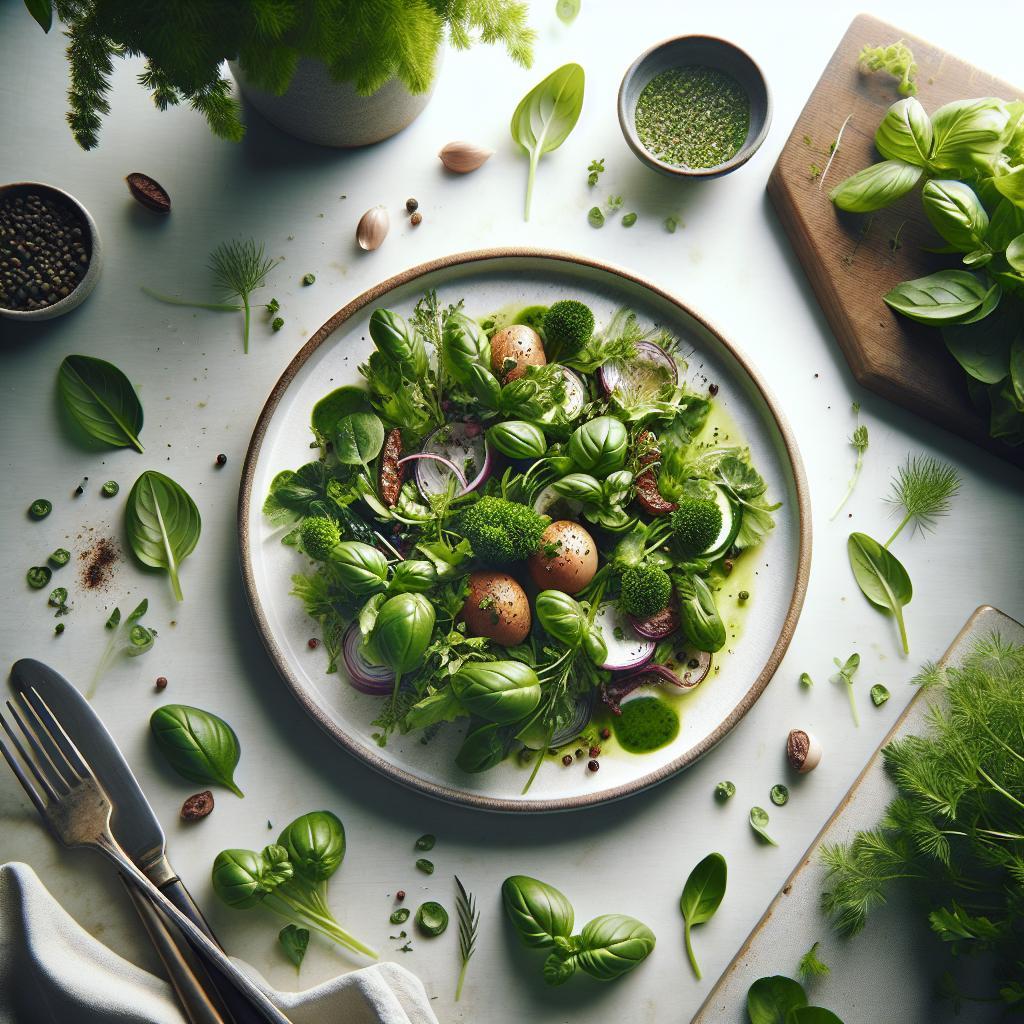
Once nurtured to health, harvest your herbs fresh to elevate any dish. Chopped parsley brightens salads; mint leaves refresh beverages; rosemary sprigs infuse roasted meats with aroma. Garnish meals with vibrant green leaves to add life and flavor, celebrating the success of your determined gardening journey.
| Herb | Ideal Growing Conditions | Water Needs | Sunlight |
|---|---|---|---|
| Rosemary | Well-drained soil, slightly acidic to neutral | Low | Full Sun |
| Thyme | Dry, sandy soil | Low to Medium | Full Sun to Partial Shade |
| Oregano | Moderate moisture, rich soil | Medium | Full Sun |
| Mint | Moist soil, rich in organic matter | High | Partial Shade to Full Sun |
Explore more on herb garden care in this detailed guide to beginner herb gardens. For comprehensive scientific insight into plant resilience, visit Royal Horticultural Society.

Q&A
Q&A: Black Thumb? How to Successfully Grow Herbs Against the Odds
Q1: What does having a “black thumb” really mean when it comes to gardening?
A1: A “black thumb” is a playful way to describe someone who struggles to keep plants alive-whether herbs, flowers, or veggies. It usually means you’ve had more plant casualties than gardening victories. But don’t worry, it’s not a curse; it’s just a learning curve!
Q2: Are herbs easier to grow than other types of plants if I have a black thumb?
A2: Absolutely! Many herbs are surprisingly resilient and forgiving, making them perfect for beginner gardeners or those who’ve had a rough time with plants. They often bounce back from small mistakes and can thrive in a variety of conditions.
Q3: Which herbs are best for someone new to gardening or with a black thumb?
A3: Start with hardy, low-maintenance herbs like basil, mint, rosemary, thyme, and chives. Mint, for example, practically grows wild-sometimes even too enthusiastically! These herbs don’t require perfect soil or super-fancy care, making them ideal first steps.
Q4: How important is sunlight for growing herbs if I’m battling less-than-ideal conditions?
A4: Sunlight is a key ingredient for most herbs, with 6+ hours of direct light being ideal. However, don’t despair if your windowsill isn’t a sun-drenched paradise. Some herbs, like mint and chives, tolerate partial shade and still grow happily. You can also supplement with a grow light to help your herbs thrive indoors.
Q5: I often kill my plants by overwatering. How do I avoid this with herbs?
A5: Overwatering is a classic black thumb pitfall! Most herbs prefer soil that’s moist but well-drained. Stick your finger about an inch into the soil-if it feels dry, it’s time to water. Also, use pots with drainage holes to prevent soggy soil, which can drown roots and invite fungal issues.
Q6: Can I grow herbs indoors if I don’t have a garden or balcony?
A6: Definitely! Many herbs are perfectly happy growing inside on a sunny windowsill or under grow lights. Indoor herb gardening is a fantastic way to keep fresh flavors at your fingertips year-round, no matter your outdoor space-or lack thereof.
Q7: What’s a simple secret to keeping my herbs healthy and vibrant even if I forget to pamper them?
A7: Try growing your herbs in self-watering containers or using a soil mix designed to retain moisture without becoming soggy. Also, remember to prune regularly-snipping back herbs not only encourages bushier growth but also prevents the plants from becoming leggy or stressed.
Q8: How do I know when to harvest my herbs for the best flavor and growth?
A8: The golden rule: harvest in the morning after the dew dries but before the day’s heat fades the flavors. Pick leaves or stems regularly before the plant flowers; this keeps the herb producing fresh growth. And don’t be afraid to snip generously-herbs love it!
Q9: Are there any unusual or creative ways to grow herbs for black thumbs?
A9: Yes! Try vertical gardens, mason jar hydroponics, or even kitchen counter herb gardens in repurposed containers. Using these fun, space-saving methods can keep herbs within easy reach and may even boost your enthusiasm for nurturing your little green friends.
Q10: What’s the most important mindset for someone with a black thumb trying to grow herbs?
A10: Patience and curiosity! Every gardener makes mistakes-even the pros. Think of your gardening journey as an experiment: each failure teaches you something new. Celebrate small successes, keep trying, and soon enough, you’ll turn your black thumb greener than you ever imagined!
Closing Remarks
Growing herbs might seem like a challenge for those with a “black thumb,” but with a little patience, smart techniques, and a sprinkle of dedication, even the most stubborn plants can thrive. Remember, every gardening success starts with understanding your herbs’ needs-light, water, soil, and a touch of love. So don’t be discouraged by past failures; instead, view them as stepping stones on your green journey. With the right approach, you’ll soon find yourself harvesting fresh, fragrant herbs that not only enliven your kitchen but also prove that anyone can cultivate a flourishing herb garden against all odds. Happy growing!