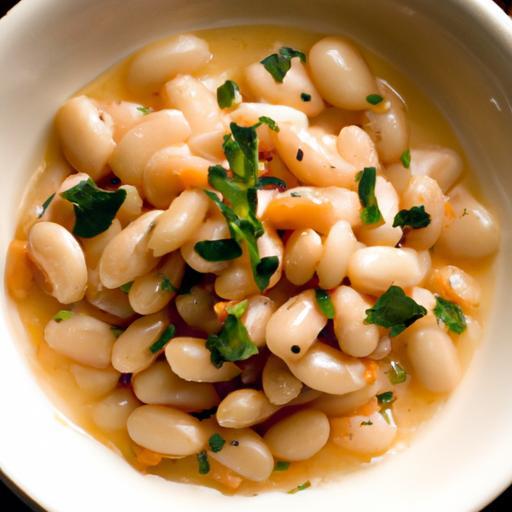

In the vast universe of legumes, one humble bean quietly reigns as a culinary treasure: the cannellini bean. Often overshadowed by its flashier cousins, this creamy white jewel is a powerhouse of flavor, texture, and nutritional goodness. With a velvety smoothness that melts effortlessly on the tongue and a mild, nutty taste that adapts to a myriad of dishes, cannellini beans have woven themselves into the fabric of traditional cuisines while capturing the imagination of modern food lovers. Join us as we uncover the story, secrets, and delights of nature’s creamy white treasure-cannellini beans, a modest marvel destined to elevate your kitchen creations and nourish your body.
Cannellini Beans Uncovered: Nature’s Creamy White Treasure
From their storied roots in the Mediterranean basin to their status as a beloved pantry staple worldwide, cannellini beans carry a legacy of both flavor and nourishment. These ivory-hued beans are cherished not just for their signature creamy texture but also for their remarkable versatility in countless dishes-from hearty soups to refreshing salads. Unlocking the culinary magic behind their soft, buttery mouthfeel opens up endless opportunities for creating comforting, wholesome meals that delight the senses and fuel the body.
Prep and Cook Time
- Preparation Time: 15 minutes (plus optional soaking time)
- Cooking Time: 60-90 minutes (stovetop) or 30-40 minutes (pressure cooker)
Yield
About 4 servings as a main dish or 6 as a side
Difficulty Level
Easy – perfect for beginner cooks yet versatile enough for seasoned pros
Ingredients
- 1 cup dried cannellini beans, rinsed and sorted
- 4 cups water (for cooking)
- 1 bay leaf
- 1 tablespoon olive oil
- 1 medium onion, finely diced
- 2 cloves garlic, minced
- 1 teaspoon fresh rosemary, chopped (or ½ teaspoon dried)
- Salt and freshly ground black pepper, to taste
- Optional: fresh lemon juice, for a bright finishing touch
Instructions
- Soak the Beans: Rinse the cannellini beans thoroughly. For best results, soak them in cold water for at least 8 hours or overnight. This reduces cooking time and improves digestibility. Drain and rinse before cooking.
- Sauté Aromatics: In a large pot, warm olive oil over medium heat. Add the diced onion and cook until translucent, about 5 minutes. Stir in the minced garlic and rosemary, cooking until fragrant-approximately 1 minute.
- Add Beans and Water: Pour the soaked beans into the pot along with 4 cups of fresh water and the bay leaf. Bring to a gentle boil, then reduce the heat to low to maintain a simmer.
- Simmer Slowly: Cover the pot partially and simmer the beans for 60 to 90 minutes. Stir occasionally and check for tenderness, adding water if necessary to keep beans submerged.
- Season and Finish: Once the beans are tender and creamy on the inside, remove from heat. Discard the bay leaf, then season with salt, pepper, and a splash of fresh lemon juice to enhance their natural sweetness.
- Optional Purée: For a velvety texture ideal for dips or spreads, mash a portion of the beans with a fork or use a blender, leaving some whole for bite and texture contrast.
Tips for Success
- Soaking Options: If short on time, use the quick-soak method by boiling the beans for 2 minutes and then letting them stand, covered, for an hour.
- Fresh Herbs: Feel free to substitute rosemary with thyme or sage for a fragrant twist.
- Storage: Cooked cannellini beans keep well in an airtight container in the fridge for up to 5 days or can be frozen for up to 3 months, making them ideal for meal prep.
- Watch the Salt: Add salt at the end of cooking to avoid toughening the beans’ skins.
- Use the Cooking Liquid: The flavorful bean water (aquafaba) can be reserved and used as a thickener or vegan egg substitute in baking.
Serving Suggestions
The creamy texture of cannellini beans lends itself beautifully to many presentations. Serve them simply dressed with a drizzle of high-quality olive oil, flaked sea salt, and a sprinkle of chopped fresh parsley for a rustic side that pairs well with grilled meats or roasted vegetables. Incorporate cooked beans into a vibrant minestrone soup or blend into a rich white bean hummus accented with roasted garlic and lemon zest. Garnish with toasted pine nuts for a delightful crunch or crisp pancetta bits for a smoky counterpoint. The subtle nutty flavor and luxurious mouthfeel of cannellini beans promise to elevate every dish they accompany.
| Nutrient | Per ½ cup cooked |
|---|---|
| Calories | 110 kcal |
| Protein | 7 g |
| Carbohydrates | 20 g |
| Fat | 0.5 g |
| Fiber | 6 g |
Discover more about the versatility of white beans in our comprehensive white beans recipe guide and dive deeper into their nutritional benefits through NutritionData.

Q&A
Q&A: Cannellini Beans Uncovered: Nature’s Creamy White Treasure
Q1: What exactly are cannellini beans?
A1: Cannellini beans are a type of white kidney bean, celebrated for their smooth, creamy texture and mild, nutty flavor. Native to Italy but embraced worldwide, they’re the culinary equivalent of a soft, comforting cloud that effortlessly elevates soups, salads, and stews.
Q2: Why are cannellini beans called “nature’s creamy white treasure”?
A2: Their velvety flesh and naturally rich, buttery taste make cannellini beans a treasure in the plant-based world. Beyond flavor, they boast a dense nutritional profile-packed with fiber, protein, and essential minerals-making them as nourishing as they are delicious.
Q3: How do cannellini beans differ from other white beans?
A3: Unlike navy or Great Northern beans, cannellini beans have a slightly larger size and a creamier texture. Their delicate flavor is less starchy and more subtle, allowing them to absorb surrounding flavors beautifully, making every bite a luscious experience.
Q4: What are some popular ways to cook with cannellini beans?
A4: These versatile beans shine in Italian classics like minestrone soup and Tuscan white bean salad but can also star in hummus, dips, or even mashed as a savory spread. They’re perfect for blending into creamy dips or pairing with fresh herbs and olive oil for a simple, elegant dish.
Q5: Are cannellini beans good for your health?
A5: Absolutely! They provide a powerhouse of plant protein and fiber, helping to support heart health and digestion. Rich in iron, magnesium, and folate, cannellini beans also aid in energy production and immune function-truly a natural superfood in disguise.
Q6: How should one prepare dried cannellini beans for cooking?
A6: Soak dried beans overnight to soften their skins and reduce cooking time; then simmer them gently until tender, usually around 45 to 60 minutes. This process unlocks their creamy texture and enhances digestibility, turning humble beans into a silky delight.
Q7: Can cannellini beans be used in vegan or vegetarian meals?
A7: They are a plant-based dream come true-perfect for vegans and vegetarians. Their creamy consistency and protein content make them an excellent meat substitute in dishes like chili, casseroles, and even vegan “ricotta” cheese alternatives.
Q8: Any tips for storing cannellini beans?
A8: Store dried cannellini beans in an airtight container in a cool, dry place; they’ll stay fresh for up to a year. Cooked beans can be refrigerated for up to five days or frozen to keep their creamy magic ready for future meals.
Q9: Can cannellini beans help with weight management?
A9: Yes! Thanks to their high fiber and protein, cannellini beans support feelings of fullness and steady energy release, which can curb overeating and promote healthier weight management naturally.
Q10: Where can I find cannellini beans?
A10: Cannellini beans are widely available in supermarkets-both dried and canned. For the best flavor and texture, opt for high-quality, organic varieties from trusted brands or specialty Italian markets.
Dive into the world of cannellini beans and discover how this creamy white treasure can transform your cooking and enrich your health-one luscious bite at a time!
In Conclusion
As we peel back the layers of this humble yet extraordinary legume, the cannellini bean reveals itself not just as a pantry staple, but as nature’s creamy white treasure-rich in history, nutrition, and versatility. Whether nestled in a comforting stew, blended into a velvety dip, or simply celebrated for its subtle flavor and smooth texture, the cannellini bean invites us to savor the simple elegance of plant-based nourishment. Embracing these little gems in our kitchens means more than just adding protein or fiber; it’s about reconnecting with a timeless ingredient that has fueled civilizations and continues to inspire culinary creativity today. So next time you reach for a can or scoop from the sack, remember the story behind the bean-and let the creamy richness of the cannellini transform your meals and your wellbeing alike.