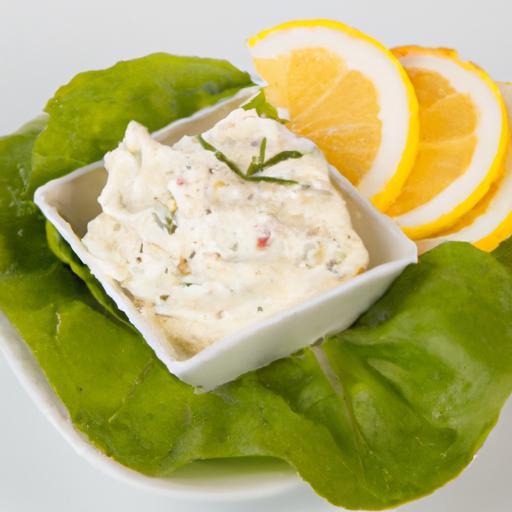

In the heart of Mediterranean cuisine lies a simple yet sublime condiment that transforms humble ingredients into a symphony of flavor: aioli. Often mistaken for just another garlic mayo, classic Spanish aioli is an artful emulsion that celebrates the boldness of garlic, the creaminess of olive oil, and the rhythmic dance of tradition and technique. This ultimate guide unravels the secrets behind crafting authentic aioli-from selecting the freshest garlic cloves to mastering the silky texture that defines this culinary gem. Whether you’re a seasoned chef or a curious home cook, prepare to embark on a flavorful journey that honors Spain’s beloved garlic sauce and elevates your kitchen repertoire to new heights.
Crafting Classic Aioli: The Ultimate Spanish Garlic Mayo Guide
Crafting classic aioli is an art that celebrates the vibrant flavors of Spanish cuisine, bringing together garlic and olive oil into a creamy, luscious emulsion. This humble yet elegant sauce has deep cultural roots dating back to the Mediterranean coasts, where it has long served as a staple accompaniment to seafood, vegetables, and rustic breads. By mastering the perfect garlic to olive oil ratio, you’ll unlock the authentic flavor that defines traditional aioli, elevating even the simplest dishes with its rich aroma and velvety texture.
Prep and Cook Time
- Preparation: 10 minutes
- Emulsification: 5 minutes
- Total Time: 15 minutes
Yield
Yields approximately 1 cup (serves 4-6 as a condiment)
Difficulty Level
Medium – requires careful emulsification and patience
Ingredients
- 4 large garlic cloves, peeled and finely minced
- 1/2 teaspoon sea salt (to help break down and mellow garlic)
- 1 large egg yolk at room temperature (optional but stabilizes emulsion)
- 1 cup extra virgin olive oil, mild and fruity for balanced flavor
- 1 teaspoon freshly squeezed lemon juice (optional, for brightness)
Instructions
- Prepare the garlic paste: Using a mortar and pestle, pound the minced garlic with sea salt until it forms a smooth, creamy paste. This step softens the pungency and releases the essential oils for an aromatic base.
- Add the egg yolk: Transfer the garlic paste to a mixing bowl. Whisk in the egg yolk until fully combined, creating a stable foundation for your aioli.
- Begin emulsification: Slowly drizzle a few drops of olive oil into the garlic mixture while whisking vigorously. The key here is patience-adding oil too quickly can cause the sauce to break.
- Continue adding oil gradually: As the mixture thickens and emulsifies, increase the olive oil flow to a thin stream. Keep whisking constantly to maintain the creamy texture.
- Incorporate lemon juice: Once all the oil is incorporated and the aioli is smooth and glossy, whisk in lemon juice for a subtle tang that brightens the flavor.
- Adjust seasoning and serve: Taste your aioli, and add more salt or lemon juice if desired. Chill for at least 30 minutes to let the flavors meld beautifully before serving.
Tips for Success
- Emulsion stability: Always add olive oil slowly, especially at the start, to prevent the sauce from separating. If it does break, slowly whisk in a teaspoon of warm water to bind the mixture again.
- Garlic intensity: Adjust the amount of garlic to suit your taste. For a milder aioli, reduce cloves or let the paste rest for 10 minutes before emulsifying.
- Oil choice matters: Use a mild extra virgin olive oil rather than a robust one to avoid overpowering bitterness.
- Egg yolk alternative: For a traditional egg-free approach, whisk garlic and oil directly but prepare for a longer emulsification process with steady, patient whisking.
- Make-ahead: Aioli can be refrigerated in an airtight container for up to 2 days. Bring to room temperature before serving to regain its creamy texture.
Serving Suggestions
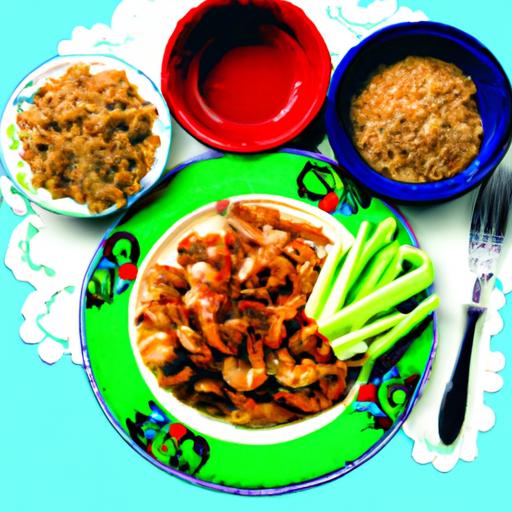
Crafting classic aioli lends itself beautifully to a variety of vibrant Spanish dishes. Spoon it generously over grilled prawns, roast vegetables, or simple boiled potatoes for a zesty dip. Garnish with a sprinkle of smoked paprika or freshly chopped parsley for a pop of color and subtle smoky notes. Serving alongside tapas such as calamari, anchovies, or patatas bravas transforms the experience into an authentic Mediterranean feast.
| Nutrient | Per 2 tbsp Serving |
|---|---|
| Calories | 190 |
| Protein | 1g |
| Carbohydrates | 1g |
| Fat | 21g |

For more tips on making Mediterranean sauces, check out our comprehensive Mediterranean sauces guide.
Explore the rich origins of aioli further on the Encyclopaedia Britannica for historical insights into this iconic Mediterranean emulsion.
Q&A
Q&A: Crafting Classic Aioli – The Ultimate Spanish Garlic Mayo Guide
Q1: What exactly is classic aioli? Is it just garlic mayo?
A1: Ah, the eternal question! Classic aioli is much more than just garlic mayo. Traditionally, it’s a silky Mediterranean emulsion made from garlic, olive oil, and a touch of salt. Unlike the simpler “garlic mayo” you buy in jars, authentic Spanish aioli boasts a rich history and a labor of love in its preparation – no added eggs, just pure garlic magic blending with olive oil to create that luscious, aromatic spread.
Q2: Why is olive oil the star ingredient in aioli? Can I use other oils?
A2: Olive oil isn’t just any oil – it’s the soul of classic aioli, lending it a peppery, fruity depth that transforms garlic into something heavenly. While other oils like vegetable or canola can be used, they lack the robust character and healthful benefits of extra virgin olive oil. For the most authentic, vibrant flavor, stick to a high-quality, cold-pressed olive oil.
Q3: How do I prevent my aioli from breaking or becoming oily?
A3: Patience is your best friend here. The trick lies in slowly drizzling the olive oil into the garlic while you whisk vigorously. The key is creating a stable emulsion – tiny droplets of oil suspended evenly in the garlic mixture. If the oil goes in too fast or the whisking is erratic, the aioli can “break,” turning greasy and separating. If that happens, start over with a fresh garlic paste and slowly whisk the broken mixture back in bit by bit.
Q4: Can I make classic aioli without a mortar and pestle?
A4: Of course! While a mortar and pestle is traditional and develops a beautiful creamy texture by gently crushing the garlic, you can also use a food processor or blender for convenience. Just be mindful to pulse and drizzle the oil slowly to avoid overheating or breaking your emulsion. A whisk and bowl work well too for small batches if you’re up for a little arm workout!
Q5: How can I customize my aioli while keeping it traditional?
A5: Classic aioli thrives on simplicity, but subtle flourishes can elevate it. Try adding a squeeze of fresh lemon juice for brightness or a pinch of smoked paprika for a Spanish twist. Some chefs like to add a tiny bit of boiled potato or egg yolk to stabilize the emulsion in modern versions – though purists might raise an eyebrow. The beauty lies in balancing garlic’s boldness with olive oil’s richness, so experiment gently!
Q6: What dishes pair perfectly with classic Spanish aioli?
A6: Classic aioli is a culinary chameleon. It’s divine spread on crusty bread, drizzled over roasted vegetables, or served alongside grilled seafood like prawns and squid. It’s the hallmark sauce for “patatas bravas” and a zesty dip for crunchy crudités. Wherever you want a burst of garlicky, creamy sunshine, aioli is your flavorful companion.
Q7: How long will homemade aioli last, and how should I store it?
A7: Freshly made aioli is best enjoyed within 2-3 days for peak flavor and safety. Store it in an airtight container in the refrigerator. Because it’s made with raw garlic and no preservatives, curbing exposure to air and keeping it chilled slows oxidation and microbial growth. Always give it a sniff and a taste before using – if it smells off or separated, it’s time to whip up a new batch.
Q8: Is classic aioli healthy?
A8: Yes! Aioli is naturally gluten-free, dairy-free, and packed with healthful compounds. Garlic offers powerful antioxidants and anti-inflammatory benefits, while extra virgin olive oil is rich in heart-healthy monounsaturated fats. Enjoy it in moderation as part of a balanced diet, and your taste buds – and body – will thank you.
With this Q&A, you’re now ready to dive into the art of crafting authentic Spanish garlic mayo – a luscious dip, sauce, or spread that turns everyday moments into Mediterranean celebrations. Happy whisking!
The Conclusion
In the timeless dance of flavors, classic aioli stands as a testament to simplicity’s power-a humble blend of garlic, olive oil, and a touch of patience that transforms ordinary dishes into unforgettable experiences. Whether drizzled over roasted vegetables, slathered on crusty bread, or served alongside succulent seafood, this Spanish garlic mayo is more than a condiment; it’s a culinary bridge connecting tradition and innovation. Armed with this ultimate guide, you’re now ready to craft your own silky, garlicky masterpiece-one that honors age-old techniques while inviting your personal flair. So, embrace the art of aioli, and let each spoonful whisper the soulful story of Spain’s vibrant kitchen right onto your plate.