
In a world where culinary treasures span continents, few delights embody the perfect harmony of simplicity and sophistication quite like labneh. This creamy, tangy marvel-often hailed as the “cream cheese of the Middle East”-has been a beloved staple for centuries, bridging cultures with its luscious texture and unforgettable flavor. Welcome to Creamy Classics: Your Guide to Authentic Labneh Magic, where we’ll unlock the secrets behind this ancient dairy delight, explore its rich history, and share expert tips on crafting labneh that’s as irresistibly smooth as it is steeped in tradition. Whether you’re a kitchen novice or a seasoned foodie, prepare to embark on a flavorful journey that transforms humble yogurt into a velvety masterpiece worthy of any table.
Creamy Classics: Discovering the Magic of Labneh
Creamy Classics celebrates the rich tradition of labneh, a luscious Middle Eastern strained yogurt beloved for its tangy flavor and velvety texture. Originating from Levantine kitchens centuries ago, labneh has been a staple that transcends borders-inviting endless culinary experimentation. My first taste of homemade labneh was a revelation: the thick creaminess paired effortlessly with fresh herbs and fragrant olive oil, inspiring me to master the craft. This guide dives deep into traditional techniques, flavor explorations, and expert tips to craft ultra-creamy labneh right in your kitchen, ensuring every spoonful unlocks authentic magic.
Prep and Cook Time
- Preparation: 10 minutes
- Straining Time: 24-48 hours
- Total Time: Up to 2 days
Yield
Approximately 1 cup of creamy labneh (serves 4 as a dip or spread)
Difficulty Level
Easy to Medium – Perfect for kitchen novices and seasoned cooks alike!
Ingredients
- 4 cups full-fat plain yogurt (preferably Greek or Balkan-style for creaminess)
- 1 teaspoon fine sea salt
- Optional: 1 tablespoon olive oil, za’atar, minced garlic, or fresh herbs for flavor variations
Instructions
- Prepare the yogurt: In a mixing bowl, whisk the full-fat plain yogurt and sea salt until smooth. The salt enhances flavor and helps with preservation.
- Set up your straining station: Line a fine mesh sieve or colander with a double-layer of cheesecloth, or use a clean kitchen towel. Place it over a large bowl to catch the drained whey.
- Strain the yogurt: Pour the salted yogurt gently into the cloth-lined sieve. Fold the edges over to cover. Transfer to the refrigerator and let strain for 24-48 hours, depending on desired consistency. For thicker labneh, strain longer.
- Check texture: After 24 hours, test for creaminess. It should be thick, spreadable but not dry. If it’s too soft, strain longer. Stir gently once it reaches the ideal thickness.
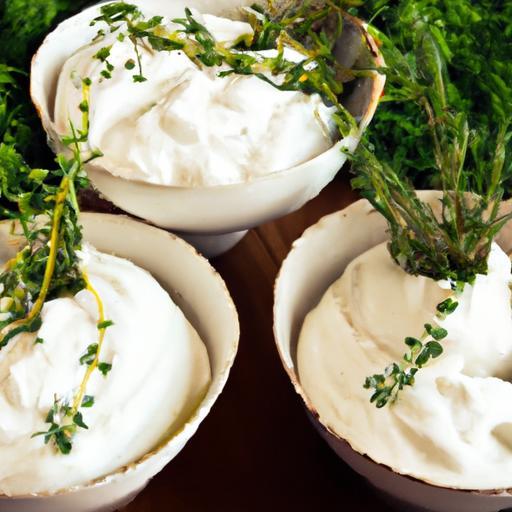
- Serve or store: Transfer labneh to a clean container. Drizzle with olive oil and sprinkle with toppings like za’atar, crushed garlic, or fresh mint before serving for an authentic touch.
Tips for Success
- Choose high-quality yogurt: Full-fat, plain yogurt with live cultures yields the creamiest labneh. Avoid low-fat or flavored varieties.
- Perfect straining: For ultra-smooth texture, strain in the fridge to prevent spoilage. Use a fine cheesecloth for maximum drainage.
- Flavor variations: Experiment by mixing in smoked paprika, chopped sun-dried tomatoes, or fresh dill to create exciting global twists.
- Make-ahead friendly: Labneh keeps well refrigerated for up to one week and freezes beautifully without losing texture.
- Troubleshooting: If labneh tastes sour or watery, ensure your yogurt was fresh and store properly. Adding salt balances tang.
Serving Suggestions
Labneh shines as a vibrant centerpiece or versatile side dish:
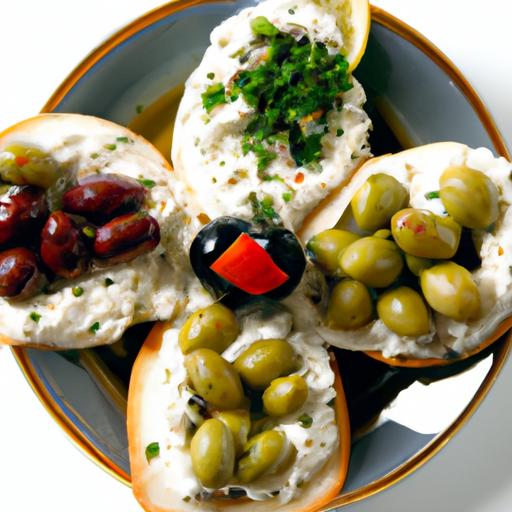
- Traditional Levantine style: Spread thickly on warm pita, drizzle liberally with golden olive oil, and shower with za’atar and toasted pine nuts.
- Global fusion: Dollop onto grilled salmon with lemon zest, spread inside wraps with roasted veggies, or add to Indian flatbreads with a sprinkle of garam masala.
- Fresh accompaniments: Serve alongside sliced cucumbers, cherry tomatoes, olives, and cracked black pepper for a bright Mediterranean platter.
- Breakfast upgrade: Swirl into granola bowls or drizzle over scrambled eggs for a creamy probiotic boost.
- Garnish ideas: Fresh herbs (mint, parsley), chili flakes, pomegranate seeds, or a splash of balsamic glaze add stunning color and flavor contrast.
| Nutrient | Per 2 Tbsp (30g) |
|---|---|
| Calories | 45 |
| Protein | 3g |
| Carbohydrates | 2g |
| Fat | 3.5g |

For a deeper dive into yogurt cultures and their origins, explore this authoritative National Dairy Council article.
Discover more delightful Mediterranean recipes by visiting our Mediterranean recipes collection.
Q&A
Q&A: Creamy Classics – Your Guide to Authentic Labneh Magic
Q1: What exactly is labneh, and why is it considered a “creamy classic”?
A1: Labneh is a thick, tangy yogurt cheese originating from the Middle East, prized for its luscious creaminess and versatility. It’s a “creamy classic” because it blends simplicity and tradition-just strained yogurt-with a velvety texture that’s both comforting and elegant.
Q2: How is authentic labneh traditionally made?
A2: Authentic labneh starts with plain yogurt, ideally full-fat for richness. The yogurt is placed in a cheesecloth and hung or strained over several hours to remove whey, thickening it into a spreadable delight. The longer it strains, the thicker and more concentrated the flavor becomes, capturing the essence of dairy magic.
Q3: What makes labneh different from cream cheese or ricotta?
A3: While cream cheese and ricotta rely on cream and curds, labneh is uniquely yogurt-based, delivering a tangy punch and probiotics. It’s lighter, tangier, and often healthier, with a fresh, natural acidity that sets it apart from richer, heavier cheeses.
Q4: How can I use labneh in my cooking to elevate everyday dishes?
A4: Labneh is a culinary chameleon! Dollop it on salads, spread it on warm pita, use it as a dip with olive oil and za’atar, or swirl it into soups and smoothies. It adds creaminess without overpowering, making each bite irresistibly smooth and intriguing.
Q5: Are there regional variations of labneh I should know about?
A5: Absolutely! Regional twists include Lebanese labneh balls rolled in sumac or mint, Syrian versions layered with olive oil and herbs, and Turkish “süzme yoğurt” which is similar but with subtle textural differences. Each variant offers a glimpse into local flavors and customs.
Q6: Can labneh be made at home easily?
A6: Yes! With just yogurt, a fine cheesecloth, and time, anyone can create authentic labneh at home. The process requires patience but minimal skill, rewarding you with fresh, tangy creaminess that beats store-bought options and lets you customize thickness and flavor.
Q7: What health benefits does labneh offer compared to other cheeses?
A7: Labneh is packed with probiotics, aiding digestion and gut health. It’s lower in fat and calories than many cheeses, and since it’s yogurt-based, it’s easier to digest for some people. It’s a nutrient-rich option that doesn’t sacrifice indulgence for wellness.
Q8: How can I store labneh to maintain its freshness and flavor?
A8: Keep labneh refrigerated in an airtight container, ideally covered with a thin layer of olive oil to prevent drying out. It can last up to two weeks, and its flavor deepens over time – just give it a gentle stir before serving to revive its creamy magic.
Dive into the world of labneh and transform your kitchen with this creamy classic-simple, authentic, and endlessly delicious!
Wrapping Up
As you savor the rich, tangy essence of labneh, remember that this creamy classic is more than just a dip-it’s a celebration of tradition, culture, and craft. Whether spread generously on warm pita, swirled into vibrant salads, or drizzled with golden olive oil, labneh invites you to explore the magic hidden in its velvety texture and subtle tang. By embracing its authentic roots and versatile charm, you’re not just enjoying a delicious treat-you’re participating in a timeless culinary story that has been cherished for generations. So, go ahead, let labneh transform your kitchen creations and bring a taste of heritage to your table. Your journey into creamy classics has only just begun.