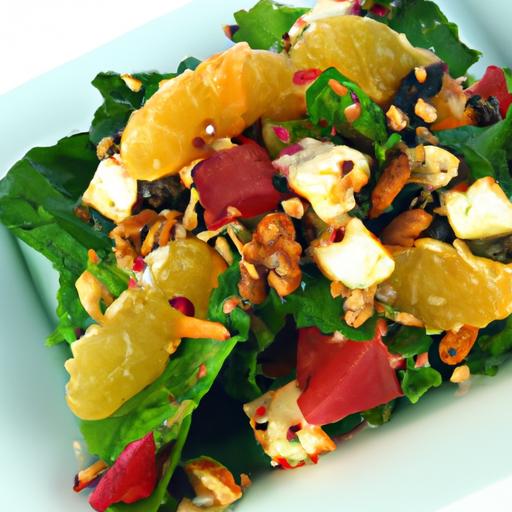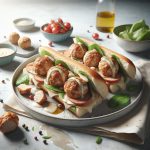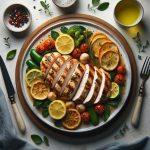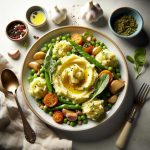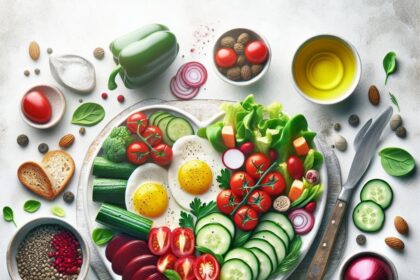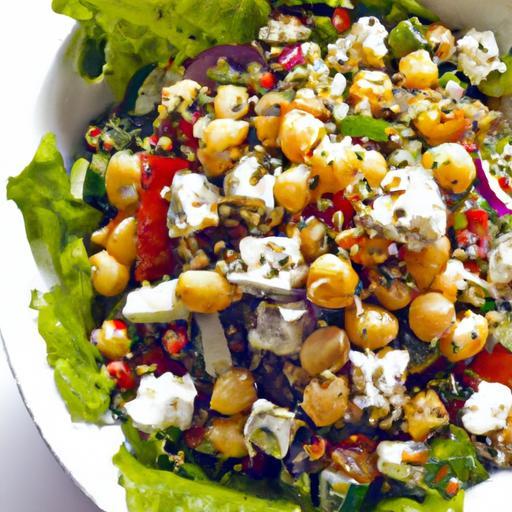

Imagine a diet where sun-ripened tomatoes, fragrant herbs, and zesty olives dance together in every bite-inviting both your palate and your body to a vibrant celebration of health. The Mediterranean diet has long been celebrated for its heart-healthy benefits and rich, wholesome flavors. But what happens when you take out the dairy? Enter the dairy-free Mediterranean diet: a fresh, flavorful guide that preserves the essence of this beloved culinary tradition while embracing a plant-forward, lactose-free lifestyle. Whether you’re lactose intolerant, vegan-curious, or simply seeking new ways to savor this timeless cuisine, this guide opens the door to a Mediterranean journey full of color, nutrition, and irresistible tastes-no cheese required.
Innovative Dairy-Free Swaps for Signature Mediterranean Flavors
Dairy-Free Mediterranean Diet: A Fresh, Flavorful Guide brings to life the vibrant essence of the Mediterranean with a plant-based twist, celebrating wholesome proteins and vivid vegetables that ignite the palate. This recipe channels the heart of sun-kissed shores and rustic villages, using innovative dairy-free ingredients that preserve the soul of traditional dishes while embracing modern dietary preferences. Inspired by the warm breeze and spirited colors of Mediterranean markets, it offers a perfect harmony of flavors layered with fresh herbs, aromatic spices, and rich, healthy fats.
Prep and Cook Time
- Prep Time: 20 minutes
- Cook Time: 30 minutes
- Total Time: 50 minutes
Yield
- Serves 4
Difficulty Level
- Easy to Medium
Ingredients
- 1 ½ cups cooked chickpeas (or 1 can, drained and rinsed)
- 1 large eggplant, diced into 1-inch cubes
- 1 red bell pepper, thinly sliced
- 1 zucchini, sliced into half-moons
- 3 tablespoons extra-virgin olive oil
- 4 cloves garlic, minced
- 1 medium red onion, finely chopped
- 1 cup cherry tomatoes, halved
- ½ cup fresh parsley, chopped
- ½ cup fresh basil, chiffonade
- 1 teaspoon smoked paprika
- 1 teaspoon ground cumin
- ½ teaspoon crushed red pepper flakes (optional)
- ½ cup raw cashews, soaked for 2 hours
- ½ cup water (for cashew cream)
- Juice of 1 lemon
- Salt and freshly ground black pepper, to taste
Instructions
- Prepare the cashew cream: Drain the soaked cashews and blend with ½ cup water and lemon juice until ultra-smooth. Adjust consistency by adding more water if needed. Set aside.
- Heat 2 tablespoons olive oil in a large skillet over medium heat. Add the chopped red onion and garlic, sautéing for about 5 minutes until soft and fragrant.
- Add the diced eggplant and cook for 8-10 minutes, stirring occasionally to ensure even browning. The eggplant should be tender and golden.
- Stir in the red bell pepper, zucchini, and cherry tomatoes, seasoned with smoked paprika, cumin, crushed red pepper flakes, salt, and pepper. Sauté for an additional 7 minutes until vegetables are tender yet vibrant.
- Fold in the cooked chickpeas and the fresh herbs (parsley and basil), allowing their fragrance to infuse the dish as it warms through for 3 minutes.
- Remove the skillet from heat and gently swirl in the prepared cashew cream, creating a luscious, dairy-free sauce that ties all ingredients beautifully.
- Adjust seasoning to taste. Serve immediately while warm.
Tips for Success
- For an extra layer of flavor, roast the eggplant in the oven at 400°F (200°C) for 20 minutes before sautéing.
- Cashew cream can be made ahead and stored in the refrigerator for up to 5 days; just stir before using.
- Feel free to swap chickpeas with lentils or white beans for variation.
- Use fresh herbs generously-they brighten and elevate every bite in this plant-based medley.
- To reduce cooking time, prepare all vegetables in uniform sizes for even cooking.
Serving Suggestions
Present this vibrant medley in colorful bowls with a drizzle of extra-virgin olive oil and a sprinkling of fresh herbs. Accompany with warm, crusty whole-grain pita or a refreshing cucumber and tomato salad. A wedge of lemon on the side invites diners to add a zesty lift, perfectly balancing the creamy, smoky richness. For an elegant touch, sprinkle toasted pine nuts or crushed kalamata olives on top. Enjoy with a chilled glass of herbal mint tea or a crisp, dry white wine to complete the Mediterranean escape.

| Nutrient | Per Serving |
|---|---|
| Calories | 320 |
| Protein | 12g |
| Carbohydrates | 40g |
| Fat | 14g |
Discover more exciting plant-based Mediterranean recipes by visiting our comprehensive guide to Mediterranean plant-powered meals. For further reading on dairy-free nutrition and health benefits, visit Healthline’s dairy-free diet overview.
Q&A
Q&A: Dairy-Free Mediterranean Diet – A Fresh, Flavorful Guide
Q1: What is the Mediterranean diet, and how does it work without dairy?
A1: The Mediterranean diet is a vibrant eating pattern inspired by the traditional cuisines of countries bordering the Mediterranean Sea. It’s rich in fruits, vegetables, whole grains, legumes, nuts, seeds, olive oil, and lean proteins like fish and poultry. Going dairy-free means swapping out cheese, yogurt, and milk for plant-based alternatives and naturally dairy-free ingredients, keeping the diet fresh and flavorful without missing a beat.
Q2: Why consider a dairy-free Mediterranean diet?
A2: Whether due to lactose intolerance, dairy allergies, vegan lifestyle, or personal preference, cutting out dairy can improve digestion and reduce inflammation for some people. Plus, a dairy-free Mediterranean approach introduces you to a range of nutrient-dense veggies and creative cuisine options that keep meals exciting and satisfying.
Q3: What are some tasty dairy substitutes to use in this diet?
A3: Nut and seed-based products shine here-think almond, cashew, or coconut milk yogurts and cheeses. Tahini (sesame seed paste) adds creamy richness to dips and dressings, while avocados and hummus can replace creamy textures in spreads and sauces. You can also enjoy traditional Mediterranean herbs and spices like oregano, mint, and sumac to enhance flavor without dairy.
Q4: How can I ensure I get enough calcium and protein without dairy?
A4: Leafy greens like kale, spinach, and arugula are calcium-rich powerhouses. Legumes such as chickpeas, lentils, and beans provide both calcium and protein-plus they’re a Mediterranean staple. Nuts and seeds also contribute nutrients, while fish like sardines and salmon, packed with calcium, fit perfectly into this diet.
Q5: Can I still enjoy Mediterranean classics like tzatziki and feta cheese?
A5: Absolutely-but with a twist! Instead of traditional tzatziki, try a cucumber and dairy-free yogurt blend made from coconut or almond milk, flavored with garlic and fresh dill. For feta, opt for marinated almond or tofu feta alternatives, or simply skip the cheese and highlight olives, roasted peppers, and sun-dried tomatoes for that umami punch.
Q6: What makes olive oil so essential in a dairy-free Mediterranean diet?
A6: Olive oil is the liquid gold of the Mediterranean diet. It’s rich in heart-healthy monounsaturated fats and antioxidants, adding luscious flavor and depth to salads, roasted veggies, and grilled proteins. Since it’s purely plant-based, it fits perfectly into a dairy-free lifestyle and is the cornerstone of Mediterranean cooking.
Q7: How do I build a dairy-free Mediterranean meal plan?
A7: Start with a base of whole grains like farro, quinoa, or bulgur. Add a generous portion of vegetables-roasted, grilled, or fresh. Include legumes or fish for protein, and dress it all up with olive oil, fresh herbs, citrus, and a sprinkle of nuts or seeds. Think vibrant salads, hearty stews, and simple mezze plates that celebrate variety and seasonality.
Q8: Is a dairy-free Mediterranean diet sustainable and enjoyable long term?
A8: Definitely! This approach encourages mindful eating of whole, minimally processed foods, bursting with flavor and nutrition. By embracing diversity in meals and using inventive plant-based substitutes, it’s a diet that rewards creativity. Over time, it supports not just your health, but also the planet-because Mediterranean principles align with sustainability and balance.
Q9: Where can I find inspiration for dairy-free Mediterranean recipes?
A9: Cookbooks dedicated to Mediterranean cuisine often offer dairy-free options or can be easily adapted. Food blogs, vegan Mediterranean cooking sites, and social media channels are treasure troves of innovative recipes. Experiment with mezze platters, vegetable-forward dishes, and flavorful dips to keep your palate delighted.
Q10: What’s the best tip for transitioning to a dairy-free Mediterranean diet?
A10: Ease in with small swaps-start by replacing cow’s milk yogurt with coconut-based yogurt, or try olives and artichokes for cheese in salads. Focus on the abundance of fresh produce and heart-healthy fats, and discover how much depth and brightness you can achieve without dairy. Let your taste buds lead the way!
The Way Forward
As you embark on your dairy-free Mediterranean journey, remember that this vibrant diet is more than a list of restrictions-it’s an invitation to rediscover bold flavors, wholesome ingredients, and time-honored culinary traditions with a fresh twist. By embracing the abundance of fruits, vegetables, nuts, legumes, and heart-healthy fats, you’re not only nourishing your body but also celebrating a lifestyle rooted in balance and joy. Whether you’re savoring a zesty lemon-infused salad or a fragrant herb-roasted vegetable medley, the dairy-free Mediterranean diet offers a delicious path to wellness that’s as satisfying as it is sustainable. So, go ahead-let your palate roam freely across sun-kissed coasts and rustic kitchens, and savor every bite of this flavorful, dairy-free adventure.