
In a world brimming with dietary trends and superfood buzzwords, the Mediterranean diet stands out as a timeless beacon of health and flavor. But navigating through the maze of grocery store labels and ingredient lists can feel like decoding a secret language. What exactly does “extra virgin” mean? How do you spot authentic Mediterranean staples among a sea of imitations? Welcome to your ultimate guide-where we unravel the mysteries behind those labels, empowering you to boost your Mediterranean diet with confidence and clarity. Get ready to transform your shopping cart into a treasure trove of wholesome goodness, one label at a time.
Understanding Ingredient Lists to Unlock Mediterranean Goodness
Decoding labels: your guide to a Mediterranean diet boost begins with a careful eye on ingredient lists. The essence of Mediterranean cooking lies in fresh, wholesome ingredients that nourish the body and delight the senses. When navigating your pantry, look beyond the front packaging to spot hidden sugars and unhealthy fats that can diminish the authenticity of your meals.
For example, products labeled “light” or “low fat” might contain added sugars to compensate for flavor loss. Ingredients like high fructose corn syrup, corn syrup solids, and hydrogenated oils often lurk in processed foods. Prioritize whole, recognizable ingredients such as nuts, pulses, and olives that embody the Mediterranean palette.
Choosing Heart-Healthy Oils and Whole Grains with Confidence
When it comes to oils, the Mediterranean diet celebrates extra virgin olive oil as the cornerstone of heart health and rich flavor. This unrefined oil is full of antioxidants and healthy monounsaturated fats that contribute to the diet’s famed benefits. Avoid oils high in omega-6 fatty acids like corn or soybean oil, which can promote inflammation.
Equally important is selecting whole grains such as farro, bulgur, and quinoa over refined alternatives. These grains provide fiber, essential minerals, and a nutty texture that elevates dishes from simple to spectacular. They also aid digestion and promote steady energy levels, key to the Mediterranean lifestyle.
Incorporating Fresh Produce and Lean Proteins for a Nutrient Boost
Bright, seasonal vegetables like ripe tomatoes, crisp cucumbers, and fragrant herbs bring vibrancy and depth to your meals. Their rich antioxidant content supports immunity while delivering fresh aromas and colors that make plating irresistible.
Lean proteins from sources such as wild-caught fish, skinless poultry, and legumes perfectly balance your plate while aligning with Mediterranean nutritional preferences. These choices add a satisfying richness without the excess saturated fat found in red meat.
Prep and Cook Time
- Preparation: 15 minutes
- Cooking: 25 minutes
- Total: 40 minutes
Yield
Serves 4 generous portions
Difficulty Level
Easy to Medium – accessible for cooks of all levels with simple techniques
Ingredients
- 2 cups cooked farro (or quinoa, well rinsed)
- 1 cup cherry tomatoes, halved
- 1 cucumber, diced
- ¼ cup kalamata olives, pitted and sliced
- ½ red onion, thinly sliced
- 1 cup canned chickpeas, drained and rinsed
- ½ cup crumbled feta cheese (optional, use plant-based for dairy-free)
- 2 tbsp extra virgin olive oil
- 1 tbsp fresh lemon juice
- 1 tsp dried oregano
- Salt and freshly ground black pepper, to taste
- Fresh parsley or mint leaves for garnish
Instructions
- Cook the farro according to package directions until tender but still chewy, about 20 minutes. Drain and let cool slightly.
- While the farro cooks, prepare the vegetables: halve the cherry tomatoes, dice the cucumber, thinly slice the red onion, and pit and slice the olives.
- In a large mixing bowl, combine the cooled farro, tomatoes, cucumber, onion, olives, and chickpeas. Toss gently to mix evenly.
- In a small bowl, whisk together extra virgin olive oil, lemon juice, dried oregano, salt, and pepper to create a vibrant dressing.
- Pour the dressing over the salad and toss again, ensuring every ingredient is kissed by the tangy, herbaceous bright notes.
- Garnish with crumbled feta cheese if using, and scatter fresh parsley or mint leaves on top for a refreshing lift.
- Serve chilled or at room temperature. For added protein, pair with grilled wild-caught salmon or roasted chicken breast.
Chef’s Notes
- Make it vegan: Omit the feta or substitute with salted roasted nuts for crunch.
- Prep ahead: This salad tastes even better after resting in the fridge for an hour as flavors meld.
- Texture tip: Toast the farro lightly in a dry skillet before cooking to add a subtle nutty aroma.
- Flavor boost: Add finely chopped garlic or a splash of red wine vinegar for extra zing.
Serving Suggestions
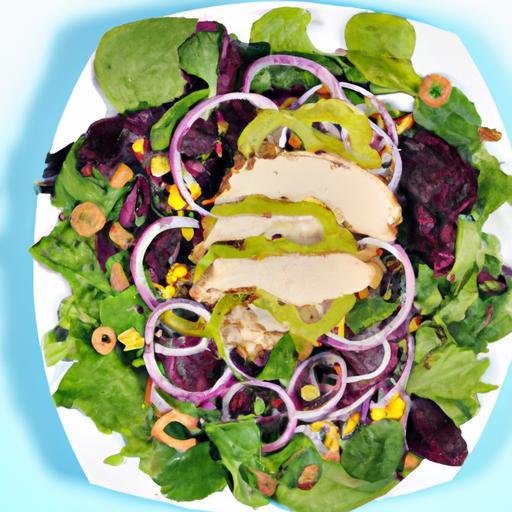
Present in a large rustic bowl to showcase the vibrant colors of the fresh produce. Drizzle an additional splash of high-quality extra virgin olive oil at the end for visual gloss and enhanced richness. Pair this salad alongside warm pita bread or a bowl of lentil soup for a balanced Mediterranean meal.
| Nutrient | Per Serving |
|---|---|
| Calories | 320 kcal |
| Protein | 11 g |
| Carbohydrates | 45 g |
| Fat | 9 g |
Learn more about the benefits of olive oil to deepen your understanding of Mediterranean heart health. Don’t forget to explore our Mediterranean diet recipes collection to continue your culinary journey.

Q&A
Q&A: Decoding Labels – Your Guide to a Mediterranean Diet Boost
Q1: What exactly is the Mediterranean diet, and why is it so popular?
A: The Mediterranean diet is a deliciously wholesome way of eating inspired by the traditional flavors of countries bordering the Mediterranean Sea. Think vibrant veggies, heart-healthy olive oil, nuts, whole grains, fresh seafood, and just a splash of red wine. It’s famed for boosting heart health, supporting brain function, and promoting longevity – all while tantalizing your taste buds!
Q2: When grocery shopping, how can I identify Mediterranean-friendly foods from the label?
A: Look for whole, minimally processed ingredients. Labels that highlight olive oil (not vegetable oils), whole grains like quinoa or farro, seafood varieties (salmon, sardines), and natural nuts are your Mediterranean heroes. Beware of added sugars, artificial additives, and unhealthy fats like hydrogenated oils-they’re not part of this sunny lifestyle.
Q3: Are all “natural” or “organic” labels a green light for the Mediterranean diet?
A: Not necessarily. “Natural” and “organic” can be selling points, but they don’t guarantee that a product fits the Mediterranean mold. A processed snack could be organic yet high in unhealthy fats or sugars. Always check the ingredient list and nutrition facts-simple, wholesome components are the key to Mediterranean goodness.
Q4: What should I watch out for on nutrition facts that might sabotage my Mediterranean diet boost?
A: Keep an eye on saturated fats, trans fats, added sugars, and sodium levels. The Mediterranean diet leans on healthy fats like monounsaturated fats from olive oil and nuts, not saturated or trans fats from processed foods. Also, high sodium can sneak in through canned or packaged goods, so opt for low-sodium alternatives when possible.
Q5: How can I make label reading a quick habit, not a chore?
A: Think of label reading as a fun treasure hunt! Train your eyes to spot familiar Mediterranean staples – olive oil, legumes, fresh herbs – and steer clear of mystery ingredients with unpronounceable names. Apps that scan labels can help, but with practice, you’ll become a savvy, label-decoding pro in no time.
Q6: Can beverages impact my Mediterranean diet efforts?
A: Absolutely! Favor water, herbal teas, and if you indulge, moderate amounts of red wine are classic Mediterranean companions. Be wary of sugary drinks or those with artificial sweeteners-they can quickly derail your healthy intentions.
Q7: Any final tips for boosting my Mediterranean diet through smarter label reading?
A: Embrace simplicity and freshness. The Mediterranean kitchen is all about whole foods, vibrant colors, and natural flavors-your label-reading should echo that spirit. Whenever possible, shop the perimeter of stores where fresh produce and seafood reside, and use labels as your guide to decode the best pantry pals for your heart-smart, vibrant life!
Insights and Conclusions
As you embark on your journey through the vibrant world of Mediterranean flavors, let your newfound label-decoding skills be the compass guiding you toward health and enjoyment. Each ingredient, each phrase, is a secret whispered from sun-kissed groves and crystal-clear seas, inviting you to savor not just food, but a lifestyle rich in tradition and wellness. So, next time you reach for that jar of olive oil or the basket of fresh produce, remember: the Mediterranean diet isn’t just a meal-it’s a celebration of nature’s bounty, carefully unveiled one label at a time. Here’s to nourishing your body and delighting your senses, the Mediterranean way!