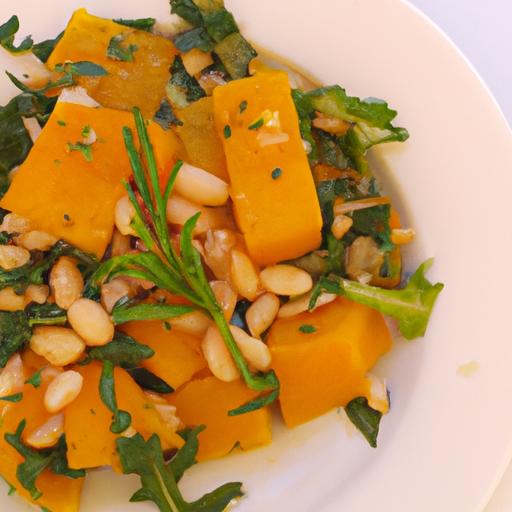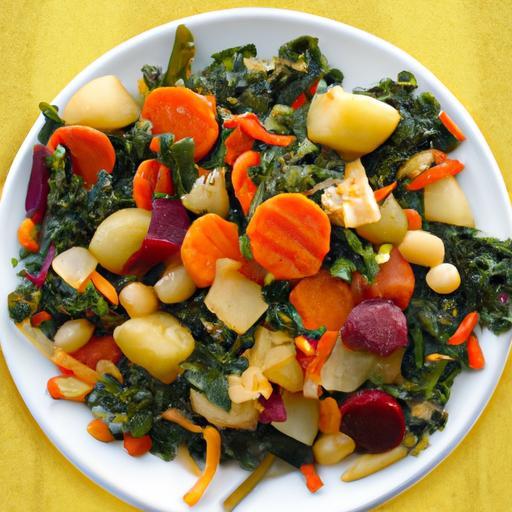

Step into a world where ancient traditions meet vibrant, plant-based flavors-welcome to the enchanting realm of Naturally Vegan Greek Recipes. Greek cuisine, renowned for its rich history and Mediterranean zest, offers a treasure trove of dishes that are naturally vegan, bursting with fresh herbs, wholesome grains, and sun-kissed vegetables. In this article, we embark on a culinary journey through time and culture, uncovering authentic recipes that honor Greece’s culinary heritage while embracing a compassionate, plant-powered lifestyle. Prepare to awaken your senses with tastes that are as nourishing as they are timeless, inviting you to savor the true spirit of Greece, one naturally vegan bite at a time.
Discover Naturally Vegan Greek Recipes offers a delightful way to experience the vibrant heritage of Mediterranean flavors through plant-based cuisine. Among these, the beloved Gemista stands out-a traditional Greek dish of vegetables stuffed with a savory mixture of rice, herbs, and occasionally nuts, capturing centuries of culinary wisdom. Growing up, my family’s Sunday table was never complete without the rich aromas of oven-baked peppers and tomatoes filled with fragrant herbs, evoking warmth and togetherness. This recipe embraces the essence of authentic Greek cooking, embracing fresh, local ingredients that highlight simplicity and depth of flavor.
Prep and Cook Time
- Preparation: 30 minutes
- Cooking: 1 hour 15 minutes
- Total Time: 1 hour 45 minutes
Yield
Serves 6 generous portions
Difficulty Level
Medium – Perfect for home cooks eager to master Mediterranean vegan classics
Ingredients
- 6 large bell peppers (mixed colors, tops cut off and seeds removed)
- 4 medium ripe tomatoes (tops sliced off and pulp reserved)
- 1 cup long-grain rice, rinsed and drained
- 1 large onion, finely chopped
- 3 cloves garlic, minced
- 1/2 cup extra virgin olive oil, divided
- 1/4 cup pine nuts, lightly toasted
- 1/4 cup currants or golden raisins
- 2 tbsp fresh parsley, chopped
- 2 tbsp fresh dill, chopped
- 1 tbsp fresh mint, chopped
- 1 tsp dried oregano
- Salt and pepper to taste
- 2 cups vegetable broth (low sodium preferred)
- Juice of 1 lemon
Instructions
- Preheat the oven to 375°F (190°C). Lightly brush a large baking dish with olive oil.
- Prepare the vegetables: Hollow out the bell peppers and tomatoes carefully, reserving the tomato pulp in a medium bowl.
- Sauté aromatics: In a large skillet, warm 1/4 cup olive oil over medium heat. Add the chopped onion and garlic, sautéing until translucent and fragrant-about 5 minutes.
- Toast pine nuts: Add pine nuts to the skillet and toast gently for 2-3 minutes, stirring constantly to prevent burning.
- Combine filling: Stir the rice into the skillet along with reserved tomato pulp, currants, parsley, dill, mint, oregano, salt, and pepper. Cook for 3 minutes, allowing the rice to absorb flavors.
- Add liquid: Pour in 1 cup of vegetable broth and cook for 5 more minutes until the liquid begins to absorb but rice remains slightly undercooked (it will finish cooking inside the vegetables).
- Stuff the vegetables: Spoon the rice mixture generously into each pepper and tomato cavity, placing them upright in the prepared baking dish.
- Add broth and bake: Pour remaining vegetable broth around the stuffed vegetables in the baking dish. Drizzle the remaining olive oil and lemon juice over the top.
- Bake uncovered for about 1 hour, or until the vegetables are tender and the rice is fully cooked. Rotate the dish halfway through baking for even cooking.
- Rest before serving: Let cool slightly for 10 minutes to set the filling, then garnish with additional fresh herbs if desired.
Chef’s Notes & Tips for Success
- Variation: Swap the rice for quinoa or bulgur to add a nutty texture and extra protein.
- Make-ahead: Prepare and stuff your vegetables a day ahead, store covered in the fridge, and bake just before serving to deepen flavors.
- Texture tip: Partially cooking the rice before stuffing guarantees a tender yet fluffy center that is not mushy.
- Substitution: Use walnuts or almonds instead of pine nuts for a different crunch and reprieve from allergens.
- Serving prep: If peppers are tipping over, slice a small piece off their bottoms to create a stable base.
Serving Suggestions
Serve your Gemista warm alongside a crisp green salad drizzled with lemon and olive oil for brightness. A side of vegan tzatziki made from coconut yogurt, cucumber, and garlic brings cooling contrast. Garnish with vibrant slices of Kalamata olives and a sprinkle of smoked paprika for visual appeal and an authentic Greek touch. Pair the meal with a chilled glass of Assyrtiko white wine for an elegant Mediterranean experience.

| Nutrient | Per Serving |
|---|---|
| Calories | 280 kcal |
| Protein | 6 g |
| Carbohydrates | 45 g |
| Fat | 8 g |
For a deeper dive into Mediterranean vegan dishes that spotlight fresh herbs and vibrant produce, check out our Mediterranean Vegan Recipes Collection. To discover the history behind Greek ingredients and traditions, explore this comprehensive Greek cuisine overview from Britannica.
Q&A
Q&A: Discover Naturally Vegan Greek Recipes: A Taste of Tradition
Q1: What makes Greek cuisine a great foundation for vegan cooking?
A1: Greek cuisine is rooted in fresh, plant-based ingredients like olives, legumes, grains, and vibrant vegetables, making it naturally friendly to vegan diets. Traditional Greek dishes often showcase seasonal produce, fragrant herbs, and simple preparations that bring out pure, authentic flavors without relying heavily on meat or dairy.
Q2: Can you name some classic Greek dishes that are naturally vegan or easy to veganize?
A2: Absolutely! Favorites like fasolada (white bean soup), Greek lentil salad, dolmades (stuffed grape leaves), and horta (wild greens sautéed in olive oil) are traditionally vegan. Even dishes like moussaka or spanakopita can be adapted using plant-based ingredients while preserving their beloved taste profiles.
Q3: Which ingredients are essential in capturing the essence of Greek flavors in vegan cooking?
A3: Olive oil is the golden thread of Greek cooking, providing richness and depth. Aromatic herbs such as oregano, dill, and mint bring freshness and brightness. Garlic, lemon juice, and capers add tang and zest, while chickpeas, lentils, and eggplants form the hearty, satisfying base of many dishes.
Q4: How does embracing naturally vegan Greek recipes connect us to tradition?
A4: Greek culinary tradition respects the land and its bounty, emphasizing simplicity and seasonality. By embracing naturally vegan recipes, we honor the ancient Mediterranean way of life that values harmony with nature and celebrates wholesome, nourishing meals. It’s a delicious portal to cultural heritage and conscious eating.
Q5: What tips do you recommend for someone new to vegan Greek cooking?
A5: Start with fresh, high-quality ingredients – a fragrant olive oil and ripe produce make all the difference. Don’t be afraid to experiment with herbs and spices to find your perfect balance. Explore traditional recipes and tweak them mindfully, letting the natural flavors shine. And remember, Greek cuisine is communal and joyful-share your vegan creations with friends and family to truly taste tradition.
Q6: Where can readers find inspiration for their next naturally vegan Greek meal?
A6: Dive into classic Greek cookbooks, vegan food blogs dedicated to Mediterranean cuisine, or local markets for authentic ingredients. Many chefs and food enthusiasts share vibrant recipes online that marry tradition with plant-based innovation, inviting you on a flavorful journey through Greece’s culinary landscape.
Future Outlook
As you embark on your journey through these naturally vegan Greek recipes, you’re not just savoring vibrant flavors-you’re stepping into a rich tapestry of tradition woven with care, culture, and sustainability. These dishes honor the essence of Greek culinary heritage, proving that plant-based eating can be both deeply satisfying and deeply rooted in history. Whether you’re a seasoned vegan or simply curious about incorporating more natural, wholesome meals into your repertoire, these recipes invite you to taste the Mediterranean sunshine, one colorful bite at a time. So, gather your ingredients, embrace the simplicity of nature’s bounty, and bring a taste of Greece into your kitchen-where tradition meets conscious living with every delicious forkful.