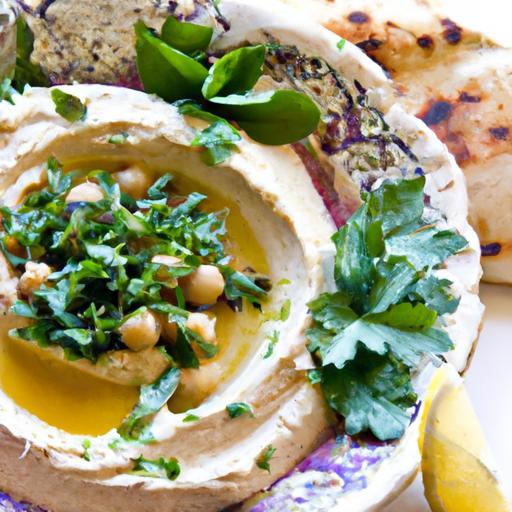

There’s a certain magic nestled in a humble bowl of classic Lebanese hummus-a dish that transcends simple ingredients to become a symbol of heritage, hospitality, and harmony. Creamy, tangy, and velvety-smooth, this beloved dip has been captivating taste buds for centuries, quietly carrying the stories and traditions of Lebanon in every bite. But what exactly makes our favorite classic Lebanese hummus so irresistibly unique? Join us as we embark on a flavorful journey to uncover the secrets behind its perfect texture, vibrant taste, and timeless charm-revealing the art and soul that elevate a simple blend of chickpeas and tahini into a culinary masterpiece.
Discover the Secrets of Our Favorite Classic Lebanese Hummus
Discover the secrets of our favorite classic Lebanese hummus and embark on a culinary journey that reveals the essence of this beloved Middle Eastern staple. Rooted in tradition and crafted with care, authentic Lebanese hummus is more than a simple dip – it’s a celebration of texture, balance, and rich flavors that date back centuries. This recipe brings you the perfect harmony of creamy chickpeas, tangy tahini, and aromatic lemon that will captivate your senses and inspire your kitchen adventures.
Prep and Cook Time
Preparation: 10 minutes Cooking: 45 minutes (soaking and boiling chickpeas) Total: 55 minutes
Yield
Approximately 4 to 6 servings
Difficulty Level
Medium – Ideal for cooks ready to master authentic techniques
Ingredients
- 1 cup dried chickpeas (or 2 cups canned, drained and rinsed)
- 6 cups water (for soaking and boiling)
- 1/2 cup tahini paste (choose high-quality, well-stirred)
- 3 tbsp fresh lemon juice (adjust to taste)
- 3 garlic cloves (crushed)
- 1 tsp fine sea salt
- 1/4 cup cold water (to adjust consistency)
- 3 tbsp extra virgin olive oil (plus extra for drizzling)
- 1/2 tsp ground cumin (optional, for warmth)
- Fresh parsley (for garnish)
- Sumac or smoked paprika (for garnish)
- Whole chickpeas (a few, for garnish)
Instructions
- Soak and Cook Chickpeas: Rinse the dried chickpeas thoroughly. Soak them overnight in 6 cups of water. Drain, then transfer to a pot and cover with fresh water. Bring to a boil, reduce to simmer, and cook until chickpeas are tender but not mushy-about 45 minutes. Remove skins by gently rubbing chickpeas between your fingers; this step ensures a luxuriously smooth texture.
- Prepare the Base: In a food processor, combine the cooked chickpeas, tahini, fresh lemon juice, and crushed garlic cloves. Blend until the mixture begins to thicken.
- Achieve Perfect Texture: Gradually add cold water, one tablespoon at a time, while processing until a creamy, silky consistency forms. This meticulous step unlocks the classic velvety hummus texture beloved in Lebanese kitchens.
- Season and Blend: Blend in the sea salt and ground cumin (if using), then slowly drizzle in 3 tablespoons of high-quality olive oil while pulsating the processor to incorporate air, contributing to hummus’s light and creamy body.
- Finalize and Adjust: Taste test and add more lemon juice, salt, or tahini for balance as preferred. Blend one last time to unify flavors.
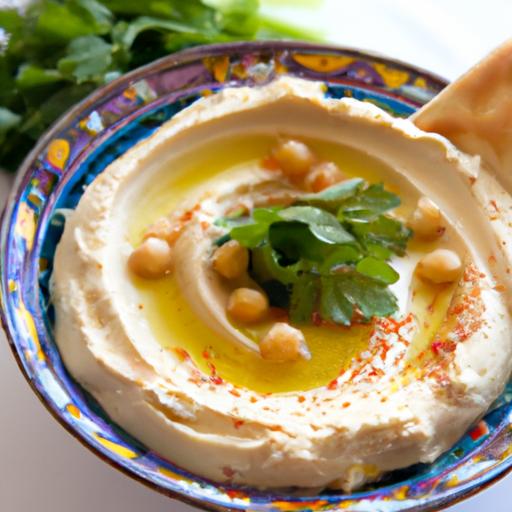
- Serve with Care: Spoon the hummus into a shallow dish, using the back of a spoon to create gentle swirls or wells for olive oil. Garnish with whole chickpeas, a sprinkle of sumac or smoked paprika, and finely chopped fresh parsley for a vibrant, authentic presentation.
Tips for Success
- Chickpea Texture: For the smoothest hummus, be patient during skin removal-it’s a secret Lebanese chefs swear by.
- Tahini Quality: Use fresh, well-stirred tahini made from toasted sesame seeds to avoid bitterness.
- Lemon and Garlic: Adjust acidity and pungency incrementally; both should complement but never overpower.
- Make-Ahead: Hummus flavors deepen after a few hours. Store airtight in the fridge for up to 3 days.
- Texture Fix: If hummus thickens after refrigeration, stir in a teaspoon of cold water or lemon juice before serving.
Serving Suggestions to Elevate Your Classic Lebanese Hummus Experience
Pair this classic Lebanese hummus with warm pita bread, crunchy fresh vegetables like cucumbers and carrots, or atop a grilled meat platter for a heartier meal. Elevate your presentation by drizzling extra virgin olive oil generously, sprinkling with toasted pine nuts, or topping with a few whole cooked chickpeas for texture contrast. For a Mediterranean twist, serve alongside tangy labneh or spiced olives to create an inviting spread for sharing.
| Nutrient | Per Serving (Approx.) |
|---|---|
| Calories | 180 kcal |
| Protein | 6 g |
| Carbohydrates | 14 g |
| Fat | 11 g |

For more Middle Eastern delights, explore our Mediterranean Spiced Lamb Kebabs, and deepen your culinary repertoire. To learn about the nutritional science behind hummus ingredients, check out this comprehensive Healthline guide on hummus benefits.
Q&A
Q: What makes Lebanese hummus stand out from other regional varieties?
A: Lebanese hummus is celebrated for its silky-smooth texture and vibrant balance of flavors. Unlike some chunkier or heavier versions, it’s whipped to creamy perfection using high-quality chickpeas, freshly tahini, and just the right amount of lemon juice and garlic. The secret often lies in soaking the chickpeas longer and peeling them to achieve that velvety consistency that melts in your mouth.
Q: Are there any special ingredients that elevate classic Lebanese hummus?
A: Yes! While the base ingredients remain chickpeas, tahini, olive oil, lemon juice, and garlic, using freshly ground tahini and extra-virgin Lebanese olive oil takes the dish to a new level. Some traditional recipes also call for a sprinkle of ground cumin or a dash of sumac to add subtle warmth and tanginess without overpowering the smooth blend.
Q: How is Lebanese hummus traditionally served?
A: Lebanese hummus is much more than a dip; it’s a social experience. It’s usually drizzled generously with olive oil and finished with a sprinkle of freshly chopped parsley, whole chickpeas, or pine nuts. It’s served with warm pita bread, fresh vegetables, or alongside grilled meats and mezze platters, inviting everyone to gather around and share.
Q: Can I replicate the authentic Lebanese hummus experience at home?
A: Absolutely! The key is patience and quality ingredients. Soak your chickpeas overnight, peel them if possible, and blend slowly while adding ice water to achieve that elusive light and creamy texture. Don’t rush the seasoning-balance is crucial! Also, use freshly squeezed lemon juice and good tahini. With a bit of love and practice, your kitchen can create a hummus that tastes like it’s straight from Lebanon.
Q: What cultural significance does hummus hold in Lebanese cuisine?
A: Hummus is much more than a dish in Lebanon-it’s a symbol of hospitality and community. It reflects the heart of Lebanese mezze culture, where food is shared freely, stories are exchanged, and bonds are strengthened. Every bowl tells a story of tradition, family recipes passed down through generations, and a deep appreciation for simple, wholesome ingredients.
Q: What common mistakes should I avoid when making Lebanese hummus?
A: One of the biggest pitfalls is skipping the chickpea peeling step, which helps create that silky smooth texture. Avoid using canned chickpeas without rinsing thoroughly, and don’t skimp on the tahini-it’s essential for flavor and creaminess. Over-blending or adding too much lemon can overpower the delicate balance, so taste as you go!
This Q&A offers a flavorful glimpse into the secrets behind classic Lebanese hummus, inspiring readers to appreciate and recreate this beloved culinary treasure.
In Conclusion
As you savor the rich, velvety layers of our favorite classic Lebanese hummus, you’re not just tasting a dish-you’re experiencing centuries of tradition, culture, and craftsmanship. From the carefully selected chickpeas to the perfectly blended tahini and the subtle hints of lemon and garlic, every bite tells a story of culinary heritage passed down through generations. Whether you’re a seasoned hummus enthusiast or just beginning your journey into Middle Eastern flavors, uncovering these secrets invites you to connect with a timeless classic in a whole new way. So next time you dip your pita or drizzle your salad, remember: behind every smooth, creamy spoonful lies a world of passion waiting to be discovered.