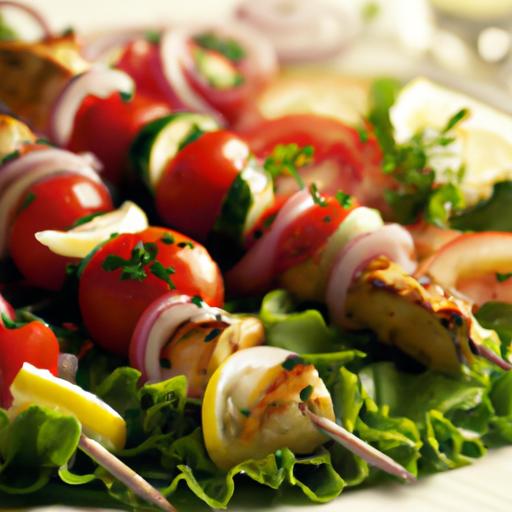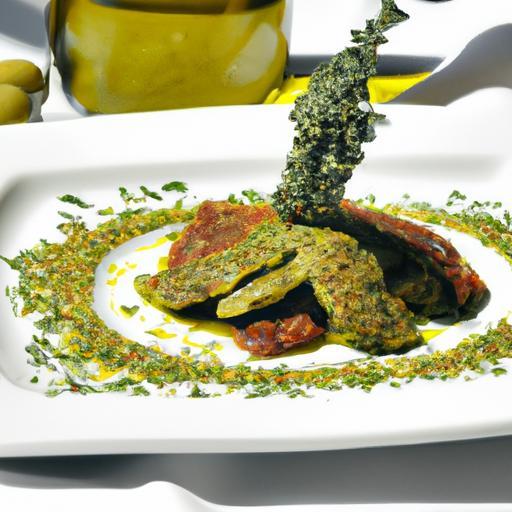

Beneath the sun-drenched groves of Spain, where ancient olive trees have whispered secrets through countless generations, lies a liquid treasure that captures the essence of the Mediterranean: Spanish olive oil. More than just a kitchen staple, this golden elixir is a vibrant story told through flavor, tradition, and craftsmanship. Join us as we embark on a captivating journey to uncover the rich tapestry of tastes, techniques, and regions that make Spanish olive oil a true culinary jewel-inviting you to savor every drop and discover the soul of Spain in each bottle.
Exploring the Rich Terroir of Spanish Olive Groves: A Flavorful Culinary Creation
Discovering Spanish Olive Oil enriches any kitchen with exquisite flavors drawn directly from centuries-old groves. This recipe celebrates the unique varietals and their glorious profiles, transforming simple ingredients into a bold, fragrant dish that honors the tradition and craftsmanship behind every bottle.
Prep and Cook Time
Prep: 15 minutes Cook: 20 minutes Total: 35 minutes
Yield
Serves 4
Difficulty Level
Medium
Ingredients
- 4 tablespoons authentic Spanish olive oil (preferably Picual or Arbequina varietal)
- 1 pound fresh cherry tomatoes, halved
- 3 cloves garlic, thinly sliced
- 1 large red onion, finely chopped
- 1 teaspoon smoked paprika (pimentón de la Vera)
- Pinch of sea salt and freshly ground black pepper
- 1 teaspoon fresh thyme leaves
- 1 cup cooked quinoa or your preferred grain (optional base)
- Fresh basil leaves and toasted almonds for garnish
Instructions
- Heat the Spanish olive oil in a large skillet over medium heat. Allow it to warm gently for about 1 minute to release its fruity aroma.
- Add sliced garlic and sauté until golden brown, about 2 minutes, stirring frequently to prevent burning.
- Introduce the chopped red onion and cook until translucent, approximately 5 minutes, stirring occasionally.
- Stir in the halved cherry tomatoes and sprinkle with smoked paprika, salt, and pepper. Sauté until the tomatoes break down and meld with the onion and garlic, 8-10 minutes, creating a rich, aromatic sauce.
- Mix in fresh thyme leaves and cook for another minute to infuse the herbaceous notes.
- Serve this vibrant mixture warm over a bed of cooked quinoa or crusty bread to highlight the olive oil’s vibrant character.
- Garnish with torn basil leaves and a scattering of toasted almonds for a delightful crunch and freshness contrast.
Chef’s Notes
- Olive Oil Selection: For true authenticity, choose extra virgin Spanish olive oils with clear varietal labels like Picual or Hojiblanca. Their peppery and fruity profiles elevate this dish remarkably.
- Variation: Swap cherry tomatoes for sun-dried tomatoes for a deeper, concentrated flavor.
- Make-Ahead: Prepare the olive oil tomato base in advance and gently rewarm to maintain freshness.
- Preservation: Store leftover olive oil sauce in an airtight container for up to 3 days in the refrigerator.
- Tip: Avoid overheating olive oil excessively; moderate heat preserves its nuanced flavors and health benefits.
Serving Suggestions
This Spanish olive oil-infused dish pairs beautifully with crisp white wines like Albariño or Verdejo to brighten the palate. Serve it atop toasted sourdough or alongside grilled seasonal vegetables to complete the Mediterranean experience. A light drizzle of the same quality olive oil over the finished plate intensifies richness and visual appeal.

| Nutrition | Per Serving |
|---|---|
| Calories | 210 kcal |
| Protein | 4 g |
| Carbohydrates | 18 g |
| Fat | 14 g |
Immerse yourself in the authentic essence of Spain, capturing the heart of its olive groves through every flavorful bite. For more culinary inspirations immersed in Spanish tradition, visit our Spanish Cuisine Collection.
Q&A
Q&A: Discovering Spanish Olive Oil: A Flavor Journey Unveiled
Q1: What makes Spanish olive oil so special compared to other olive oils?
A1: Spanish olive oil is a vibrant tapestry of tradition, climate, and terroir. Spain is the world’s largest producer, offering a dazzling array of flavors from sharply peppery to mellow and buttery. The country’s diverse regions-from Andalusia’s sun-kissed groves to Catalonia’s rugged hills-infuse olives with unique aromas and tastes, making each bottle a distinct flavor journey.
Q2: How does the environment in Spain affect the flavor profile of its olive oils?
A2: Spain’s climate is a perfect symphony of Mediterranean warmth and seasonal breezes that nurture olive trees. The soil composition, altitude, and rainfall vary across regions, allowing olives to develop complex flavor notes-think fruity hints of green apple, grassy freshness, or nutty undertones. These natural elements are the invisible artists painting the nuanced character of Spanish olive oils.
Q3: Are there different types of olive oils from Spain that consumers should know about?
A3: Absolutely! Spanish olive oils range from extra virgin, which boasts the freshest, most robust flavor and minimal acidity, to virgin and refined olive oils used for cooking. Within extra virgin, there are subtypes like Picual, known for its boldness and peppery finish, or Arbequina, which is softer and fruitier. Exploring these varieties is like tasting the many faces of Spain itself.
Q4: How should one taste Spanish olive oil to truly appreciate its flavors?
A4: Tasting Spanish olive oil is a sensory voyage. Start by smelling its aroma-swirl the oil gently and inhale to catch notes of fresh grass, herbs, or fruits. Then taste it slowly-let it coat your tongue, detecting bitterness, sweetness, and that characteristic peppery kick at the back of your throat. Pairing it with freshly baked bread or roasted vegetables can amplify its essence.
Q5: Can Spanish olive oil be used beyond cooking?
A5: Definitely! Beyond elevating salads, grilled dishes, or tapas, Spanish olive oil is a natural beauty elixir and wellness ally. It’s often used in skincare rituals for its nourishing properties and antioxidants. Plus, its rich, fruity scent can subtly perfume your kitchen or dining space, creating an immersive Spanish ambiance.
Q6: How can consumers ensure they are buying authentic Spanish olive oil?
A6: Look for certification labels such as “Denomination of Origin” (DO) that guarantee the oil’s geographic authenticity. Also, check the harvest date-fresher oils offer the best flavor and health benefits. Buying from reputable producers or specialty stores also ensures you’re indulging in genuine Spanish liquid gold.
Q7: What’s the best way to store Spanish olive oil to maintain its quality?
A7: Olive oil is sensitive to light, heat, and air, so store it in a dark, cool place away from the stove or windows. Use dark glass bottles if possible, and seal them tightly after each use. Proper storage preserves the oil’s vibrant flavors and healthful qualities, extending your flavor journey day after day.
Q8: What should first-time buyers expect when embarking on their Spanish olive oil tasting adventure?
A8: Expect to be surprised and delighted! Spanish olive oil is not just a cooking ingredient-it’s a gateway to Spain’s rich cultural heritage and landscapes. Your palate will discover layers of flavor, from grassy freshness to peppery warmth, each bottle telling a story of sun-drenched groves and passionate craftsmanship. So pour a little, sip, savor, and let the journey unfold.
Concluding Remarks
As our flavorful journey through the heart of Spanish olive oil comes to a close, one truth stands clear: this liquid gold is more than just a cooking ingredient-it’s a vibrant story of tradition, terroir, and taste. From the sun-kissed groves of Andalusia to the meticulous hands of master producers, Spanish olive oil captures the essence of a culture steeped in passion and patience. Whether drizzled over fresh salads, sipped from a tiny cup, or used to elevate your favorite dishes, Spanish olive oil invites your palate to explore a world where history and flavor harmonize beautifully. So next time you reach for that bottle, remember you’re not just adding fat-you’re adding a rich heritage waiting to be discovered, one drop at a time.