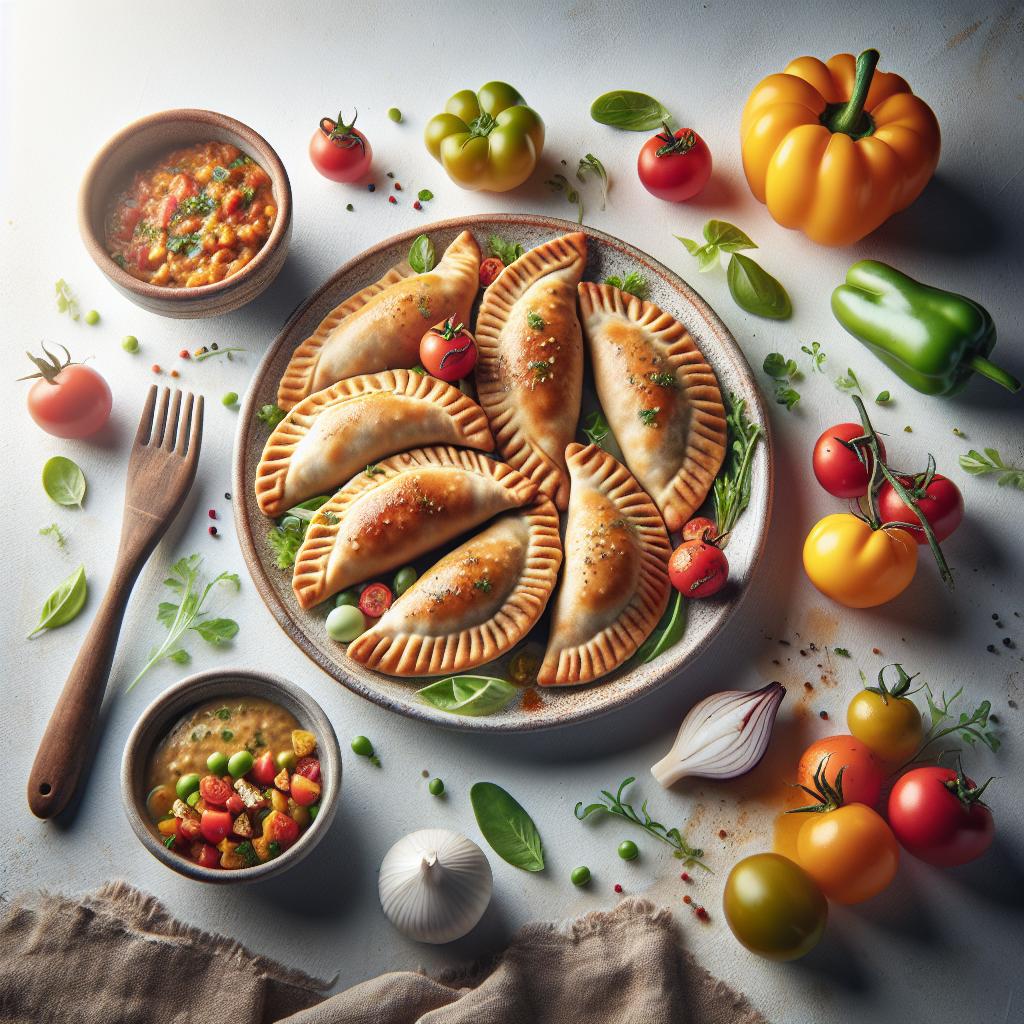

Beneath the golden, flaky crust of an empanada lies a story as rich and diverse as the cultures that have embraced it. From bustling street markets in Buenos Aires to cozy family kitchens in Galicia, these handcrafted pockets of flavor tell tales of tradition, innovation, and communal celebration. In “Empanadas Unwrapped: A Savory Journey Through Tradition,” we embark on a delectable exploration-peeling back layers of history, regional twists, and secret ingredients that transform simple dough and filling into an iconic culinary treasure. Join us as we unwrap the savory heritage of empanadas, one bite at a time.
Origins, Regional Flavors, and Crafting the Perfect Empanada Dough
Empanadas Unwrapped: A Savory Journey Through Tradition reveals an extraordinary culinary heritage, weaving together stories from Spain, Latin America, and beyond. These golden pockets of deliciousness have traveled across continents, evolving into beloved regional variations-each with its own authentic ingredients and unique seasoning that tell a story of local culture and flavor.
Empanadas originate from the Spanish word empanar, meaning “to wrap in bread,” and historically, they were portable meals for travelers and workers. In Argentina and Chile, beef and smoky paprika dominate, while Colombian empanadas often showcase tangy green plantains as the dough. Meanwhile, regions in the Philippines blend local spices in wheat-based doughs, highlighting global influence.
Prep and Cook Time
- Preparation: 45 minutes
- Cooking: 25 minutes
- Total Time: 1 hour 10 minutes
Yield
- Approximately 12 medium-sized empanadas
Difficulty Level
- Medium – Requires basic dough handling and filling preparation skills
Ingredients
- For the dough:
- 3 cups all-purpose flour, sifted
- 1 teaspoon salt
- 1/2 cup unsalted butter, chilled and cubed
- 1 large egg
- 3/4 cup cold water (adjust as needed)
- 1 tablespoon white vinegar
- For the filling:
- 1 pound ground beef, lean
- 1 medium onion, finely chopped
- 2 cloves garlic, minced
- 1/2 cup green olives, chopped
- 1/4 cup raisins (optional for a sweet contrast)
- 1 teaspoon smoked paprika
- 1/2 teaspoon ground cumin
- Salt and pepper to taste
- 1 hard-boiled egg, chopped (optional)
- 2 tablespoons olive oil
Instructions
- Make the dough: In a large bowl, combine the sifted flour and salt. Add the chilled butter and use your fingertips or a pastry cutter to work it into the flour until the mixture resembles coarse breadcrumbs.
- Mix the wet ingredients: In a small bowl, lightly beat the egg, cold water, and white vinegar. Pour gradually into the flour mixture, stirring with a fork until the dough starts to come together.
- Knead and rest: Transfer dough onto a lightly floured surface and knead gently until smooth (about 5 minutes). Wrap in cling film and refrigerate for at least 30 minutes for elasticity.
- Prepare the filling: Heat olive oil in a skillet over medium heat. Add chopped onions and garlic; sauté until translucent, about 5 minutes.
- Add ground beef, breaking it up with a spoon, and cook until browned. Stir in smoked paprika, cumin, salt, and pepper. Remove from heat and fold in olives, raisins, and chopped egg if using. Let the filling cool.
- Roll and fill: On a floured surface, roll the dough to about 1/8 inch thick. Use a 5-inch round cutter to cut circles.
- Place ~2 tablespoons of filling in the center of each dough circle. Fold in half and press edges firmly; crimp with a fork or pinch to seal.
- Bake or fry: For baked empanadas, preheat oven to 375°F (190°C). Place empanadas on a lined baking sheet, brush tops with beaten egg, and bake for 20-25 minutes until golden brown.
- Alternatively, fry them in hot oil (350°F/175°C) for 3-4 minutes until crisp and golden, then drain on paper towels.
- Allow empanadas to cool for 5 minutes before serving to enjoy the perfect temperature and texture.
Tips for Success
- For a flakier crust, chill the dough again after shaping the empanadas but before baking.
- Adjust water for dough softness. Dough should be pliable but not sticky.
- Substitute ground beef with chicken, pork, or mushrooms for dietary preferences.
- Add finely chopped fresh herbs like parsley or oregano to the filling for an elevated flavor.
- Empanadas freeze well baked or unbaked. Freeze on a tray, then transfer to airtight bags for up to 3 months.
Serving Suggestions and Pairings
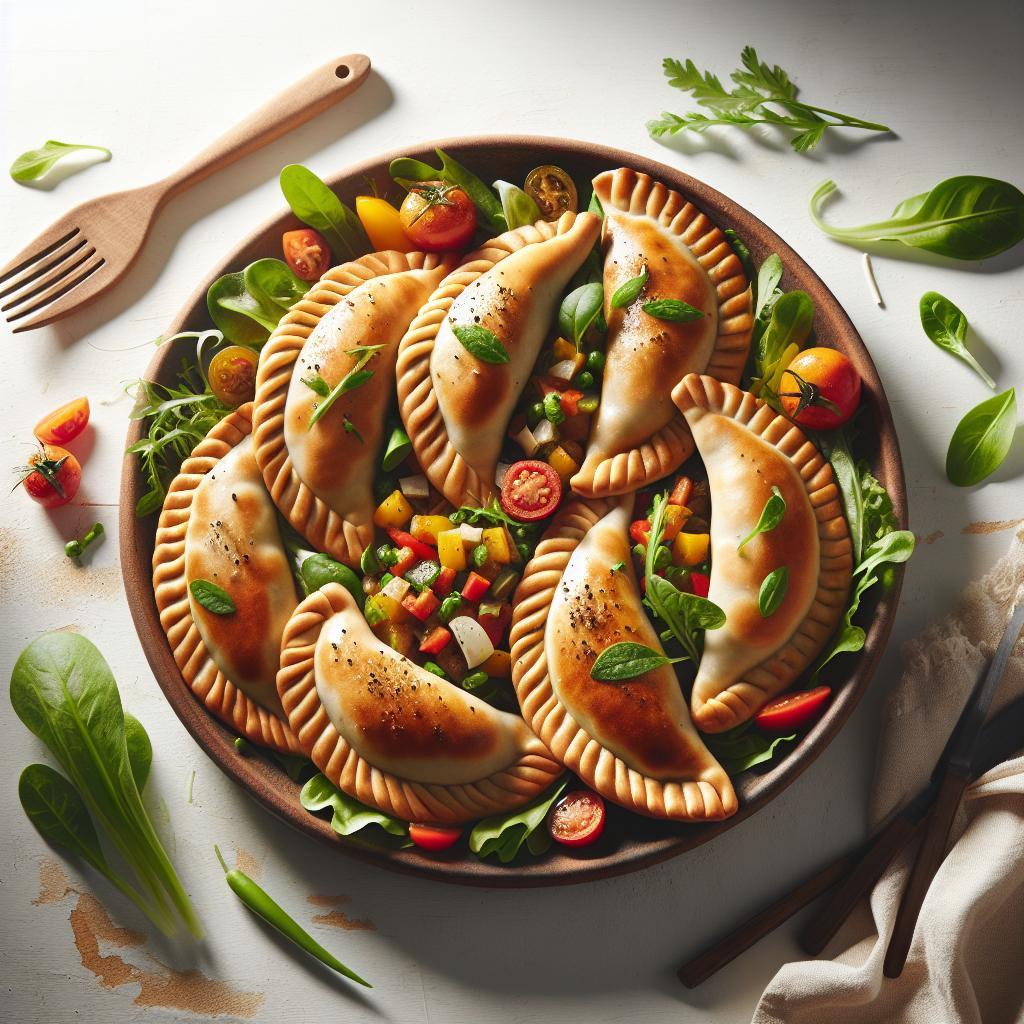
Serve these golden empanadas warm with a tangy chimichurri sauce or a smoky roasted red pepper dip to highlight their savory richness. A crisp side salad with fresh arugula, cherry tomatoes, and a zesty lemon vinaigrette complements their hearty nature perfectly.
For wine pairings, a fruity medium-bodied Malbec or a light Tempranillo enhances the dynamic spices in the filling without overpowering the crust’s buttery texture. For a white wine choice, a dry Albariño offers refreshing acidity that balances the filling’s richness beautifully.
These pairings elevate the empanada experience, turning a simple snack into a memorable meal, perfect for gatherings or intimate dinners alike.
| Nutrient | Per Empanada |
|---|---|
| Calories | 280 kcal |
| Protein | 14 g |
| Carbohydrates | 28 g |
| Fat | 12 g |

For more Latin American dishes that share a similar festive spirit, check out our Argentinian Asado Guide. To dive deeper into the cultural roots of empanadas, visit Britannica’s Empanada Overview.
Q&A
Q&A: Empanadas Unwrapped: A Savory Journey Through Tradition
Q1: What exactly is an empanada?
A: At its core, an empanada is a hand-held savory pastry filled with a variety of ingredients, lovingly wrapped and baked or fried to golden perfection. Think of it as a delicious parcel carrying centuries of culinary heritage, inviting you to unwrap history one bite at a time.
Q2: Where did empanadas originate?
A: Empanadas hail from the Iberian Peninsula-Spain and Portugal-but their journey is as rich and winding as their flavors. As seafaring explorers set sail, these tasty turnovers traveled far and wide, evolving with local spices and ingredients across Latin America, the Caribbean, and beyond.
Q3: What traditional fillings can I expect inside an empanada?
A: Traditional fillings are a mouthwatering medley reflecting regional identities. In Argentina, you might find spiced ground beef with olives and hard-boiled eggs. In the Philippines, the sweet-savory combo of ground pork and raisins steals the show. From hearty cheeses to fresh seafood, empanada fillings are as diverse as the cultures that cherish them.
Q4: How is the empanada dough made, and does it vary?
A: Absolutely! The dough can be flaky or slightly chewy, often made with wheat flour, sometimes enriched with cornmeal or lard for extra tenderness. Some regions prefer baking their empanadas, resulting in a crisp crust, while others embrace frying for a bubbly, golden exterior-each method adding a distinct character to the experience.
Q5: Why are empanadas considered a communal food?
A: Empanadas naturally bring people together-whether at bustling street markets, family gatherings, or festive celebrations. Their portable size makes sharing easy, and their varied fillings spark conversations about heritage and flavor preferences. Unwrapping an empanada is like peeling back layers of community and tradition.
Q6: Can empanadas be adapted for modern tastes?
A: Definitely! While rooted in tradition, empanadas are culinary canvases inviting innovation. Vegetarians might fill theirs with roasted vegetables and cheeses, while adventurous eaters explore fusion flavors like curry chicken or kimchi. This adaptability keeps empanadas deliciously relevant across generations.
Q7: What is the best way to enjoy an empanada?
A: There’s no wrong way to enjoy an empanada! Freshly baked and warm, with a crisp crust yielding to a flavorful filling, they’re perfect as a snack, appetizer, or main course. Pair with chimichurri, salsa, or a simple squeeze of lime to enhance the layers of taste. The key is to savor the moment-each bite a tiny celebration of tradition.
Q8: Where can I experience authentic empanadas?
A: For a true taste of tradition, explore markets and family-run bakeries in Latin America, Spain, and the Philippines. Many cities worldwide now boast empanada spots reflecting authentic and innovative styles alike. Alternatively, making them at home connects you directly to their rich heritage-plus, you get to customize every delicious morsel!
The Way Forward
As we peel back the layers of empanadas, we uncover more than just a flavorful pastry – we reveal a rich tapestry of culture, history, and tradition folded into every bite. From humble street stalls to grand family feasts, these golden pockets carry stories that travel across continents and generations. Whether filled with spiced meat, vibrant vegetables, or sweet surprises, empanadas invite us to savor not just a meal, but a shared heritage wrapped in dough. So the next time you unwrap one of these savory treasures, remember-you’re tasting a journey that connects past and present, one delicious fold at a time.