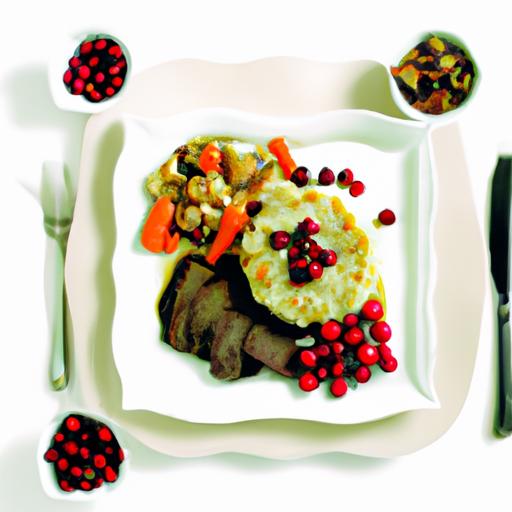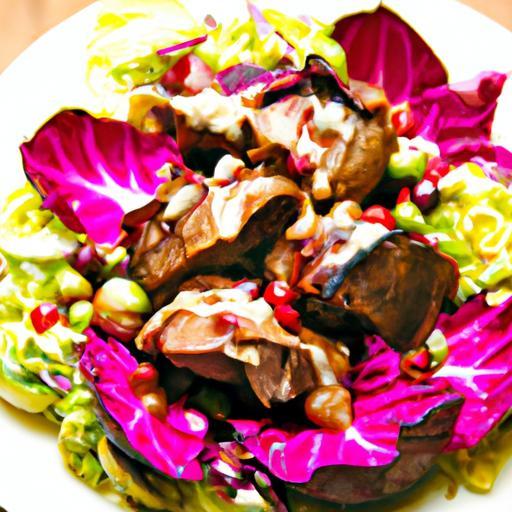

From the vibrant colors of a festive table to the rich aromas that fill the air, food has long been the heart and soul of celebrations across cultures. Feasting traditions are far more than mere meals; they are stories served on plates, rituals woven with flavor, and communal moments that bind people together. Whether it’s the sharing of a holiday roast, the breaking of bread in a sacred ceremony, or the sweet indulgence of cakes and pastries at a milestone event, food animates our celebrations, creating memories that linger long after the last bite. In exploring the vital role of food in festivities around the world, we uncover how these culinary rituals nourish not just the body, but also the spirit of connection, identity, and joy.
Exploring the Cultural Significance of Festive Foods in Feasting Traditions
Feasting Traditions have long been a vibrant expression of culture and identity, where every dish served carries symbolism, stories, and deep-rooted significance. Across the globe, festive tables become narratives of history, community, and celebration, inviting us to partake not only in the flavors but in the shared human experience that food embodies.
Origin and Personal Connection: The Story of Sweet Potato Pie
One favorite festive dish that beautifully illustrates this connection is Sweet Potato Pie, a beloved dessert throughout the American South and beyond. Rooted in African American culinary heritage, this pie transforms humble ingredients into a silky, spiced delight that graces countless holiday tables. Personally, this pie evokes memories of warmth, family gatherings, and the artistry of passing down recipes from generation to generation-truly a culinary emblem of feasting traditions.
Prep and Cook Time
- Preparation: 20 minutes
- Cooking: 55 minutes
- Total Time: 1 hour 15 minutes
Yield
- Serves 8 people
Difficulty Level
- Medium
Ingredients
- 2 cups cooked and mashed sweet potatoes (about 2 large sweet potatoes)
- 1 cup granulated sugar
- 1/2 cup evaporated milk
- 2 large eggs, beaten
- 1/2 cup unsalted butter, melted
- 1 teaspoon ground cinnamon
- 1/2 teaspoon ground nutmeg
- 1 teaspoon vanilla extract
- 1/4 teaspoon salt
- 1 unbaked 9-inch pie crust
Instructions
- Prep the sweet potatoes: Pierce the sweet potatoes with a fork and bake at 400°F (200°C) for 45-60 minutes until soft. When cool, peel and mash until smooth.
- Mix the filling: In a large bowl, combine mashed sweet potatoes, sugar, evaporated milk, beaten eggs, melted butter, cinnamon, nutmeg, vanilla extract, and salt. Stir until smooth and well incorporated.
- Prepare the crust: Place the unbaked 9-inch pie crust in a pie dish. Trim the edges if needed and crimp decoratively.
- Pour and bake: Pour the sweet potato filling into the crust. Bake in a preheated oven at 350°F (175°C) for 55 minutes or until the filling is set and a knife inserted near the center comes out clean.
- Cool before serving: Allow the pie to cool completely on a wire rack to let the filling set further. This enhances texture and flavor.
Chef’s Notes: Tips for Success
- For a vegan adaptation, substitute evaporated milk with coconut milk and replace eggs with a flaxseed egg mixture (1 tbsp ground flaxseed + 3 tbsp water).
- If you prefer a smoother texture, blend the filling in a food processor before pouring.
- Adding a pinch of ginger or clove deepens the warm spice profile for a nuanced, festive flavor.
- Shell the sweet potatoes the day before and store mashed in the refrigerator, allowing easier assembly on the day of baking.
Serving Suggestions
Serve this pie slightly warm or at room temperature with a generous dollop of freshly whipped cream or a scoop of vanilla bean ice cream. Garnish with a sprinkle of cinnamon or a few toasted pecan halves for crunch and visual appeal. Pair it with a robust cup of spiced tea or mulled cider to truly elevate the festive experience.
| Nutrient | Per Serving (1/8th pie) |
|---|---|
| Calories | 320 |
| Protein | 4g |
| Carbohydrates | 45g |
| Fat | 13g |
Balancing Tradition and Innovation in Feasting Traditions
Embracing the rich stories that festive dishes tell, while adapting to contemporary tastes and dietary needs, creates menus that honor cultural diversity and inclusivity. Consider incorporating gluten-free crusts or plant-based alternatives without compromising the integrity of tradition. This approach fosters an inviting feast where every guest feels valued and nourished.
Discover more about inclusive celebration menus in our article Inclusive Holiday Menus That Respect Every Guest and explore trusted ingredient swaps on ChooseMyPlate.gov.

Q&A
Q&A: Feasting Traditions – The Vital Role of Food in Celebrations
Q1: Why is food so central to celebrations across different cultures?
A1: Food is more than mere sustenance; it’s a universal language of joy, community, and identity. During celebrations, sharing special dishes helps people connect, honor their heritage, and transform ordinary moments into extraordinary memories. The aromas, colors, and flavors spark collective happiness and symbolize abundance and gratitude.
Q2: How do feasting traditions reflect cultural identity?
A2: Every culture has signature dishes, recipes passed down through generations that carry stories of ancestry, environment, and values. Feasting traditions act as edible narratives-whether it’s the intricate dumplings of Lunar New Year, the rich biryanis of Eid, or the spicy tamales of Dia de los Muertos-each dish tells a tale about the landscape, history, and soul of a community.
Q3: What role does ritual play in celebratory food customs?
A3: Rituals transform the act of eating into sacred moments. From carefully setting the table to toasting with special drinks, these gestures honor tradition, convey respect, and mark transitions in life-births, marriages, harvests. Rituals around food create a rhythm that binds people together, making the feast not just a meal, but a meaningful experience.
Q4: How have modern celebrations adapted traditional feasting?
A4: While honoring heritage, modern celebrations often blend tastes and techniques from around the world, creating vibrant fusion feasts. Technology also plays a role-recipe sharing apps and social media allow traditions to evolve, making cultural foods more accessible and inviting new creative expressions without losing roots.
Q5: Can feasting traditions impact community well-being?
A5: Absolutely! Sharing food fosters empathy, generosity, and inclusion, which are vital for social cohesion. Celebratory meals provide opportunities to nurture relationships, heal divides, and celebrate diversity. The act of feasting together is a powerful antidote to isolation-reminding us that we are part of something bigger.
Q6: What is one timeless lesson about food and celebration?
A6: The essence of feasting is connection-breaking bread together bridges distances of time and culture. Amid the variety of rituals and recipes, the heart of every celebration beats strongest when people gather, share, and savor the joy of being together. Food is the feast, but the feast is the people.
In Retrospect
As the final course in the grand banquet of life, feasting traditions serve as more than just a moment to savor flavors-they are a timeless language of connection, culture, and celebration. Through every shared bite and carefully prepared dish, food weaves stories that bridge generations and continents, turning ordinary gatherings into extraordinary memories. In honoring these culinary rituals, we celebrate not only the richness of ingredients but the richness of human experience itself. So next time you gather around the table, remember: you’re partaking in an age-old feast that feeds the soul as much as the body.